Log in



From Plan to Planting
In Part 1 of this guide we walked through the design side of planning a full-season Spring bulb garden, covering bloom time sequencing, which species layer well together, and how to build a color story that holds across all three phases of the Spring season. Part 2 is where that vision becomes a practical planting plan. Getting the quantities right, understanding spacing requirements for each species, and knowing how to map a bed before ordering are the steps that translate a good idea into a garden that actually performs the way you imagined it. And with Fall planted bulbs available for pre-order right now, there is no better moment to work through these details while the full range of varieties is still on the table.
Start with the Space
Before calculating how many bulbs to order, the starting point is a clear sense of the space you are working with. Measure the bed or border where the planting will go and note its dimensions. A simple sketch on paper does not need to be precise or to scale to be useful. The goal is to have a visual reference for where each species and color group will sit within the space, how much room each section takes up, and where the sightlines from paths, windows, and seating areas fall. Gardens that are viewed primarily from one direction, like a border along a fence or the back of a bed, can place taller late-season species like Allium and late Tulips toward the back with shorter early bloomers at the front. Gardens viewed from multiple sides, like an island bed, work better with taller varieties at the center and shorter ones radiating outward.
Understanding Spacing for Each Species

Each species in the Fall planted catalog has its own spacing requirement, and getting this right is what determines whether a planting looks generous and full or sparse and scattered. As a general guide based on widely accepted horticultural practice, Tulips perform best planted four to six inches apart, which means a square foot of bed space holds roughly four to nine bulbs depending on variety size. Daffodils are slightly larger and benefit from spacing of three to six inches apart. Hyacinth bulbs should be spaced about three inches apart for a dense, full display. Allium, depending on variety, need anywhere from four to eight inches between bulbs, with larger varieties like Purple Sensation Allium Flower Bulbs needing the wider end of that range to develop their full spherical heads without crowding. Mixed Bearded Iris Flower Bulbs are planted as rhizomes rather than true bulbs and should be spaced twelve to twenty-four inches apart with the rhizome sitting at or just at the soil surface rather than buried deeply. Rainbow Mixed Ranunculus Flower Bulbs and Pastel Ranunculus Flower Bulbs perform best spaced four to six inches apart with the claw-like tuber pointing downward.
Calculating How Many Bulbs to Order
Once spacing is understood, calculating quantities becomes straightforward. Measure the area of each section in your sketch in square feet, then divide by the spacing footprint of the species going into that section. For a drift of Tulips in a three-foot by four-foot section, that is twelve square feet. At one bulb every five inches, roughly five bulbs per square foot, that section needs approximately sixty bulbs. Running this calculation across each section of the bed gives a total quantity per species before you open the catalog. Nagel Glads sells Fall planted bulbs in bulk quantities at tiered pricing, which makes it practical and economical to order the generous quantities that make a Spring planting look truly full rather than sparse. A drift that looks abundant almost always requires more bulbs than a first estimate suggests, and erring on the side of more rather than fewer is consistently the better approach.

Planting Depth and Layering
A technique that allows more variety in a limited space is layering, sometimes called the lasagna method, where bulbs of different sizes and bloom times are planted at different depths in the same area of bed. Larger, later-blooming bulbs like Tulips and Daffodils go in deepest, at six to eight inches below the soil surface. Smaller, earlier-blooming bulbs like Hyacinth are planted above them at a shallower depth of three to four inches. When Spring arrives, the earliest bulbs at the shallower depth bloom first, and as they finish, the deeper-planted later bulbs push up through the same space and take over the display. This approach allows a single bed to sustain color across the full season without requiring a larger footprint, and it is one of the most effective ways to get genuine seasonal continuity from a compact planting area.
Timing the Fall Planting
Fall planted bulbs go in the ground in Autumn, once soil temperatures have dropped consistently below 60°F but before the ground freezes. In most parts of the country this falls somewhere between October and December depending on the region, with gardeners in the South and warmer climates often planting as late as December or even early January for certain species. The reason soil temperature matters more than calendar date is that bulbs planted in still-warm soil can break dormancy prematurely, exhausting stored energy before the cold period that triggers proper Spring development. Ordering now while pre-order selection is at its fullest means bulbs arrive at the right time for your region without any last-minute scramble to secure varieties that have sold out.
Putting the Order Together

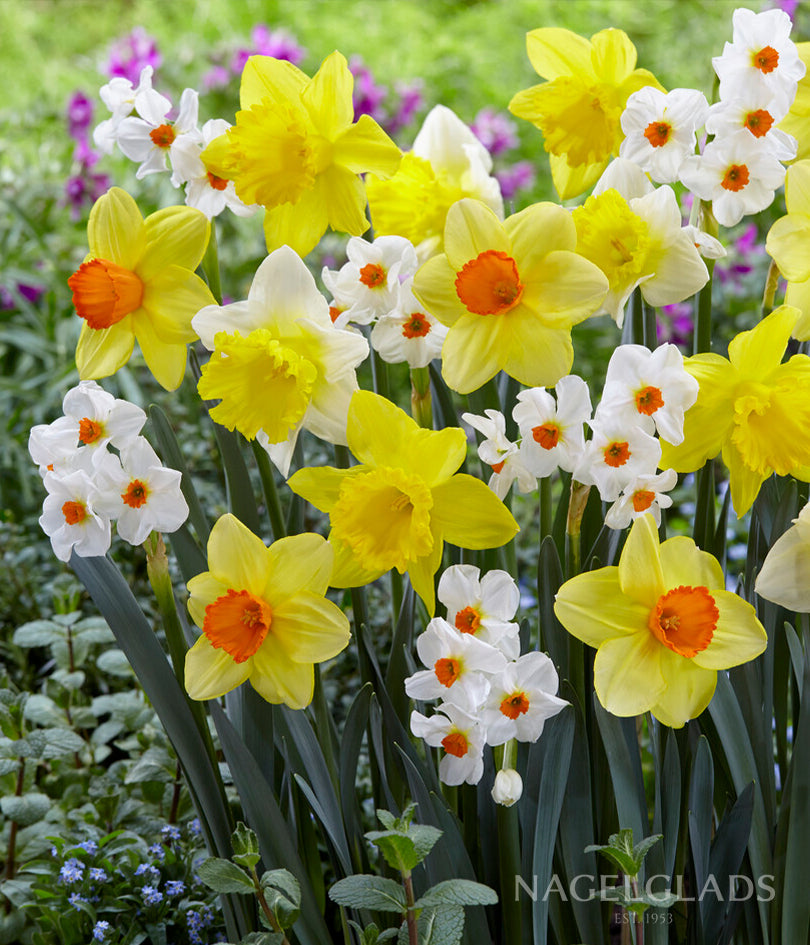
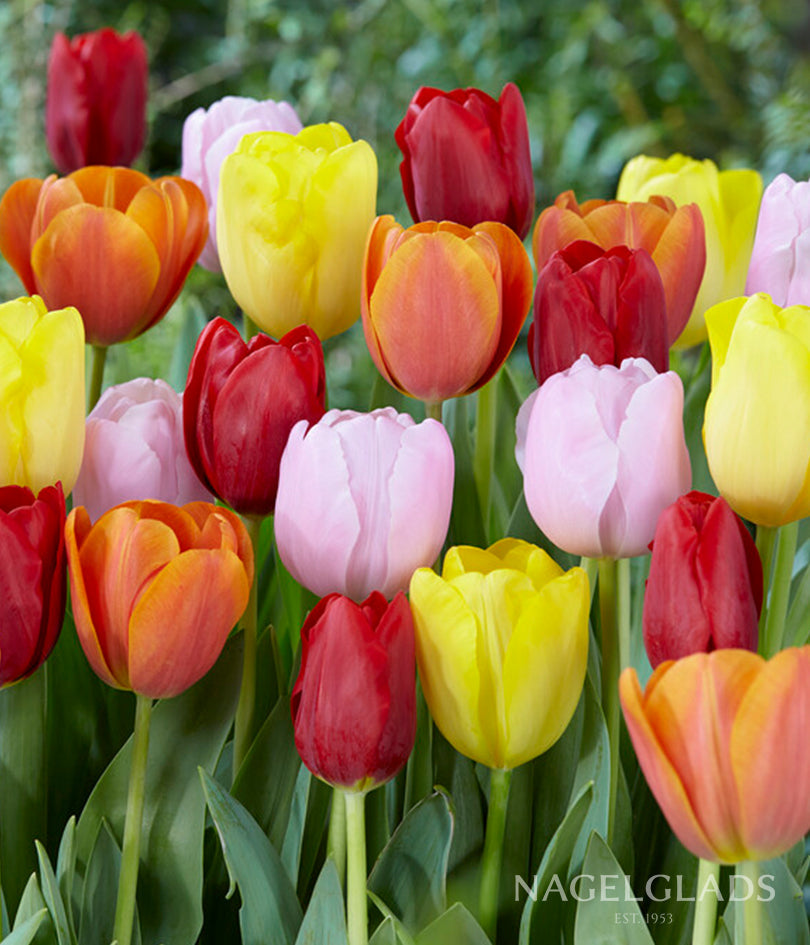
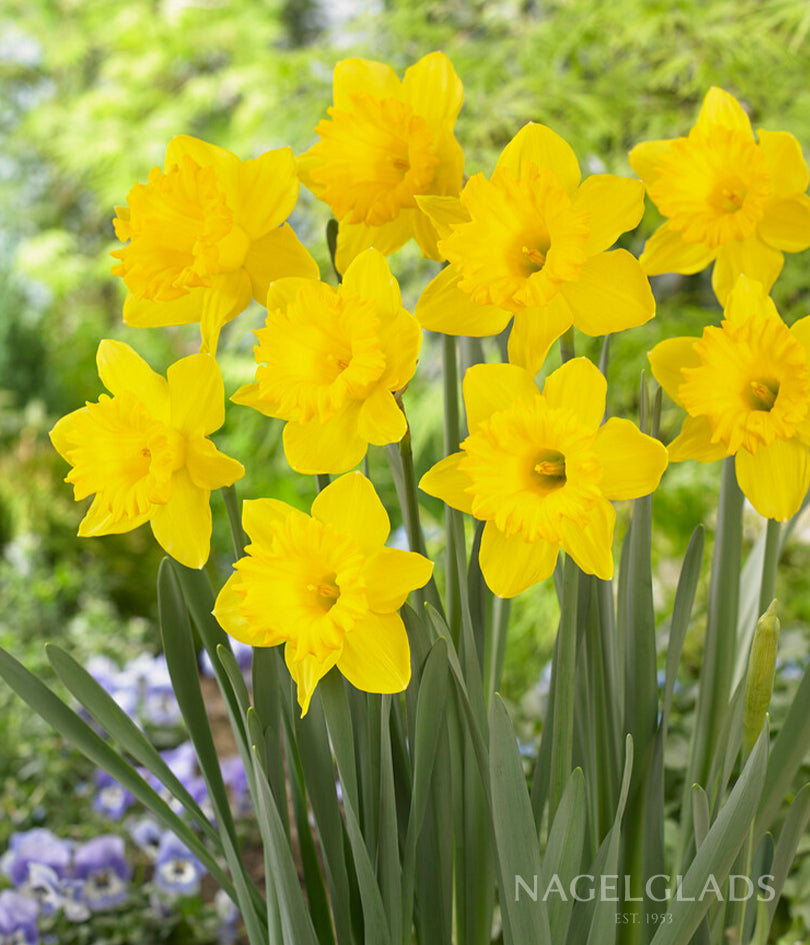
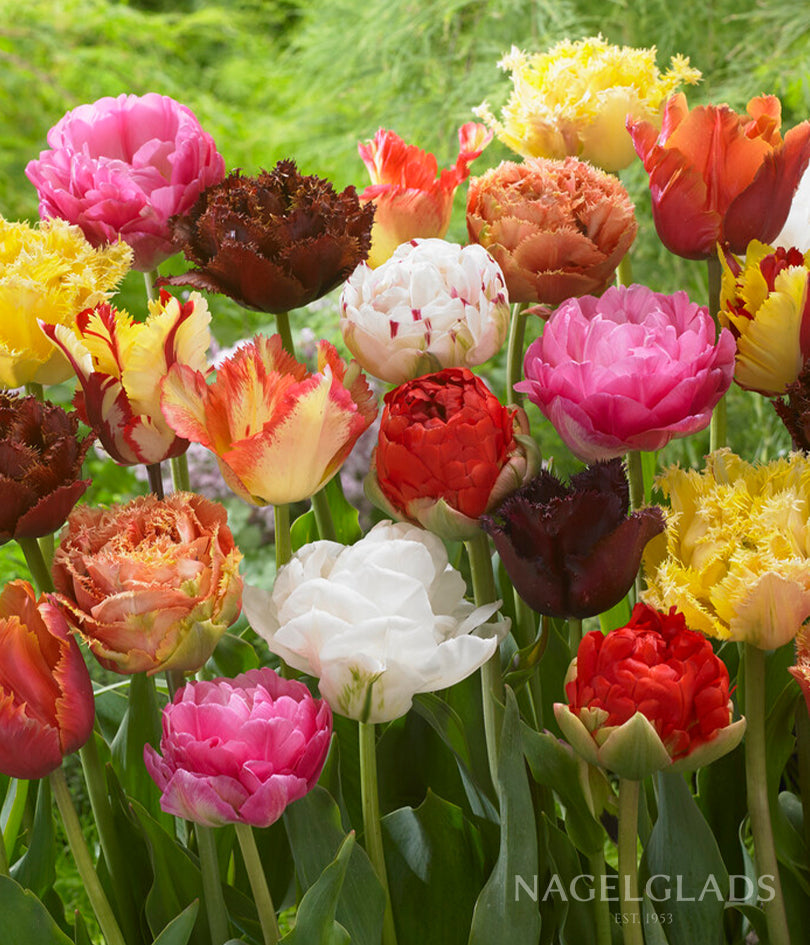
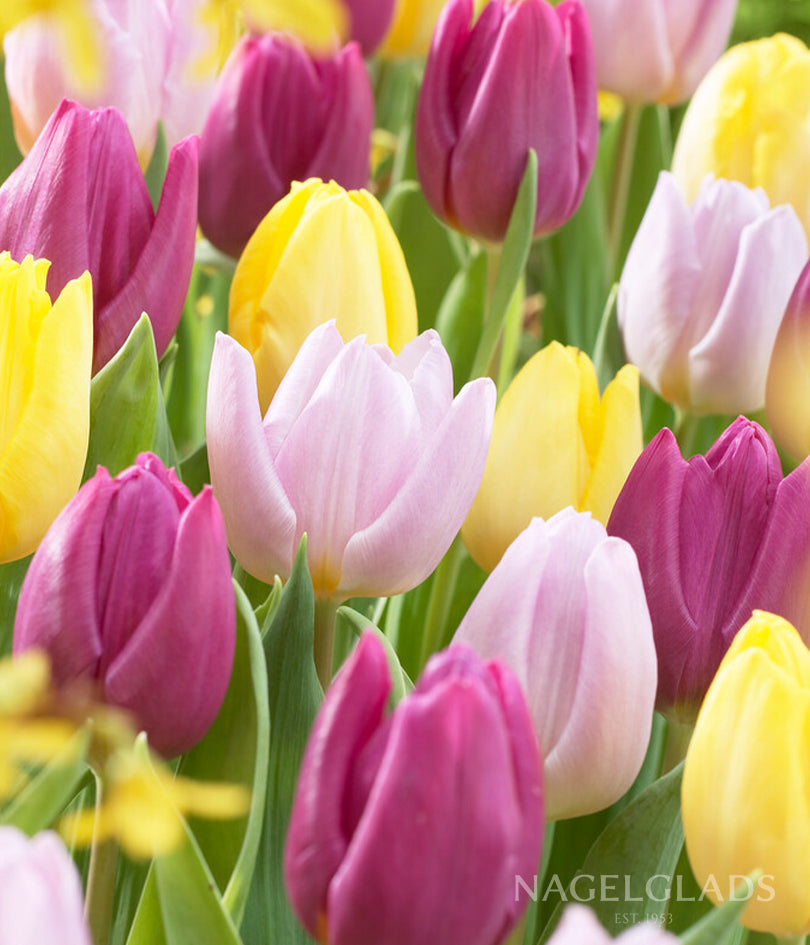
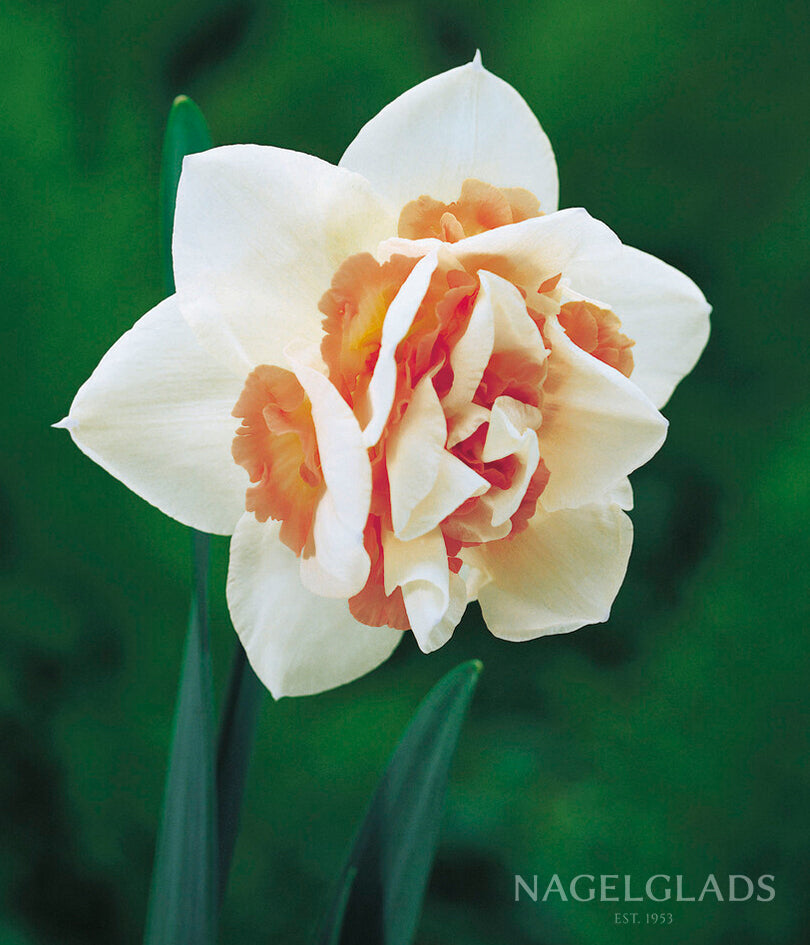
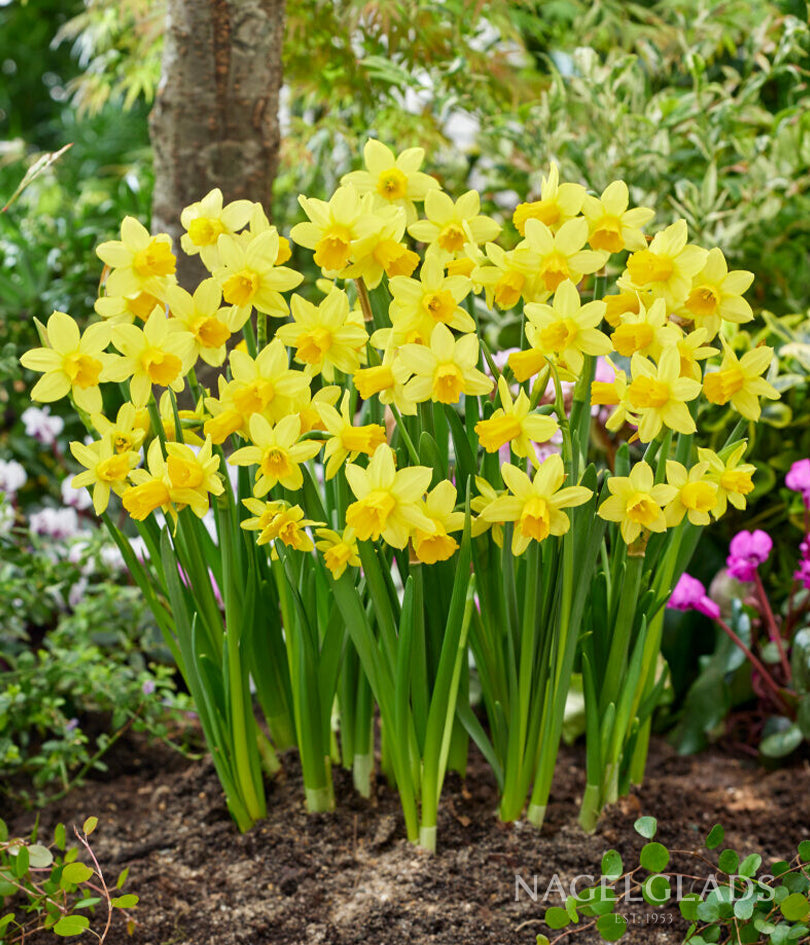
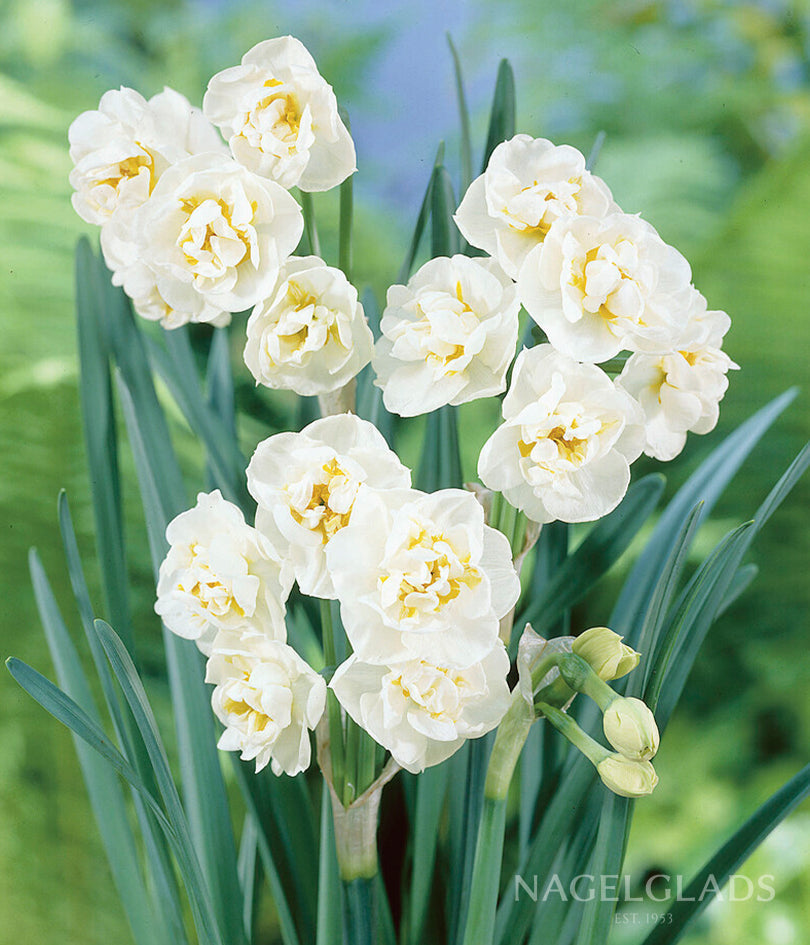
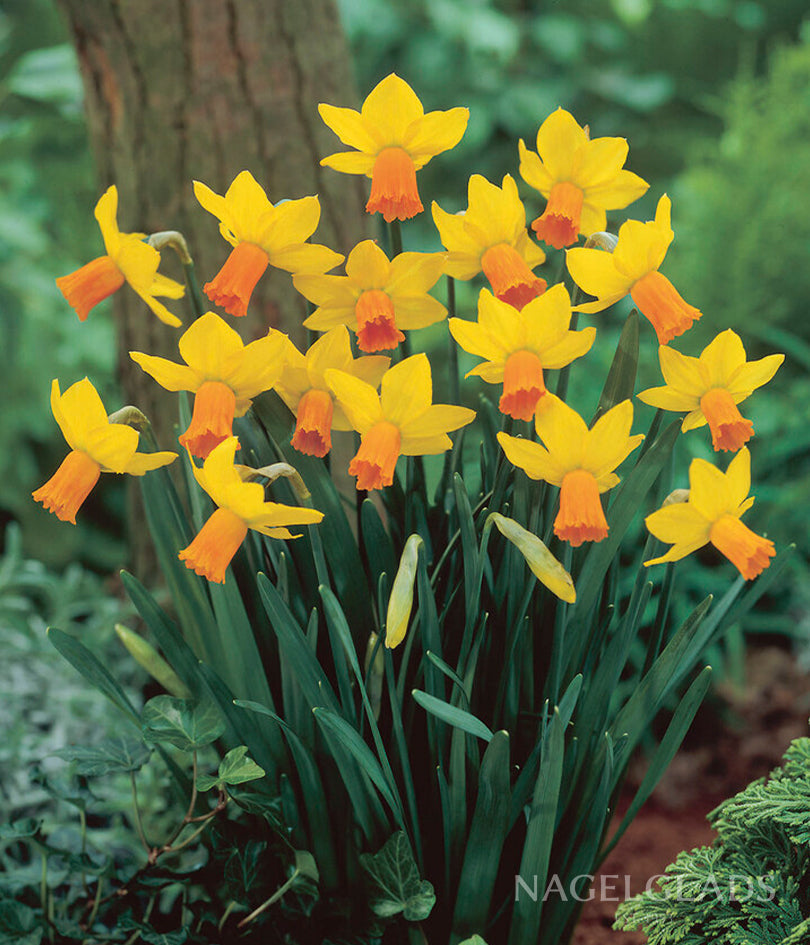
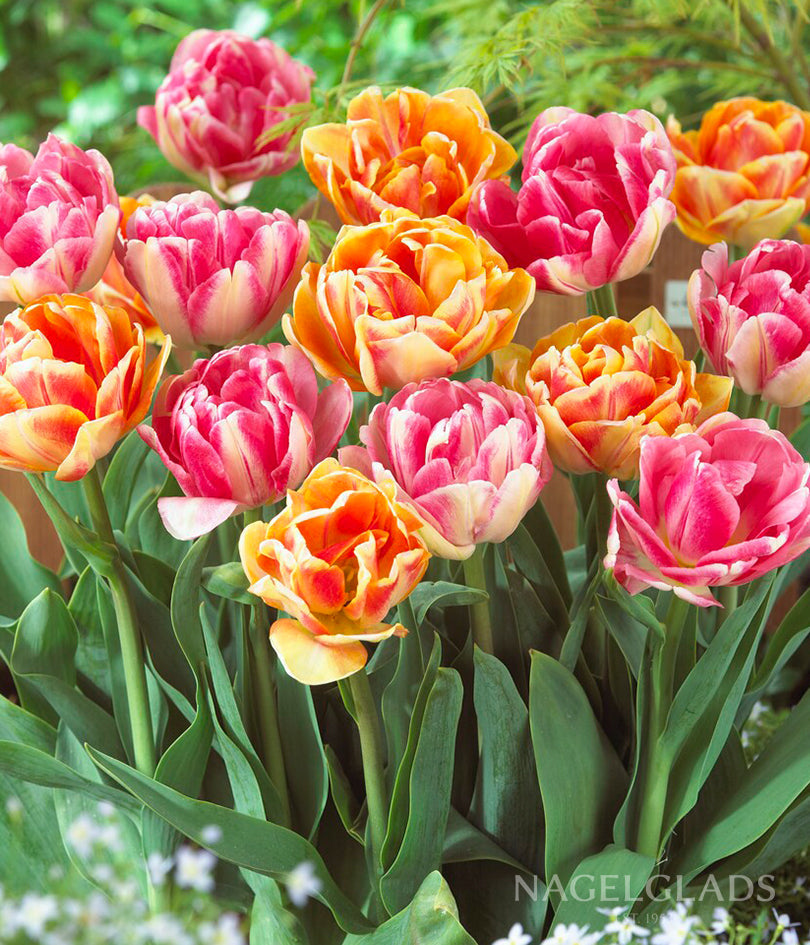
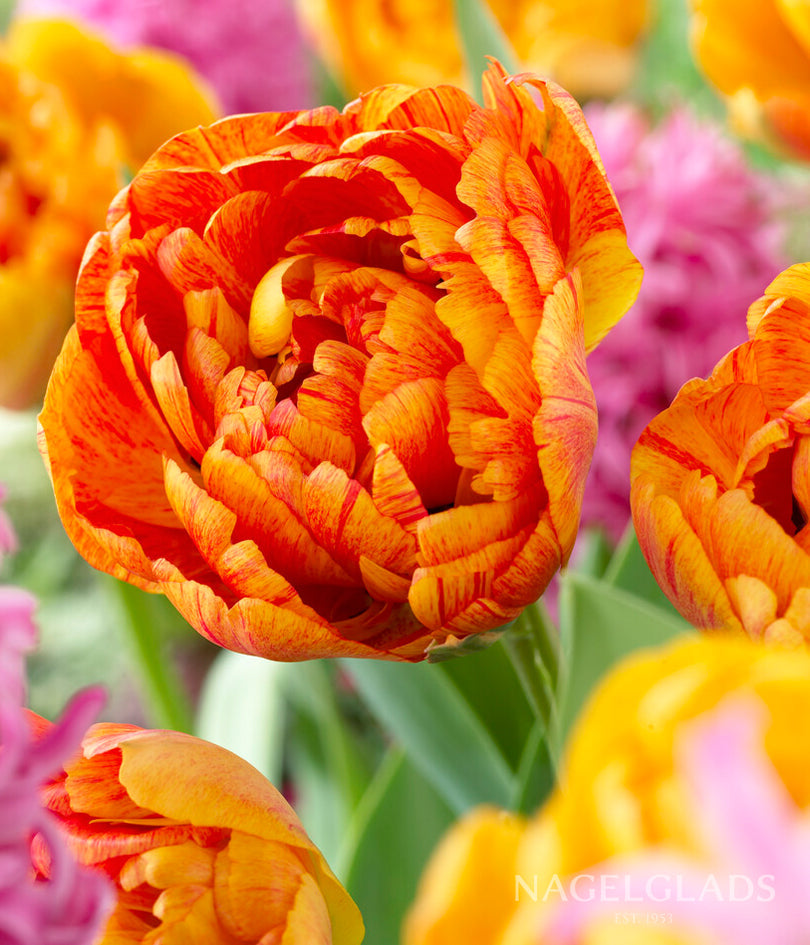
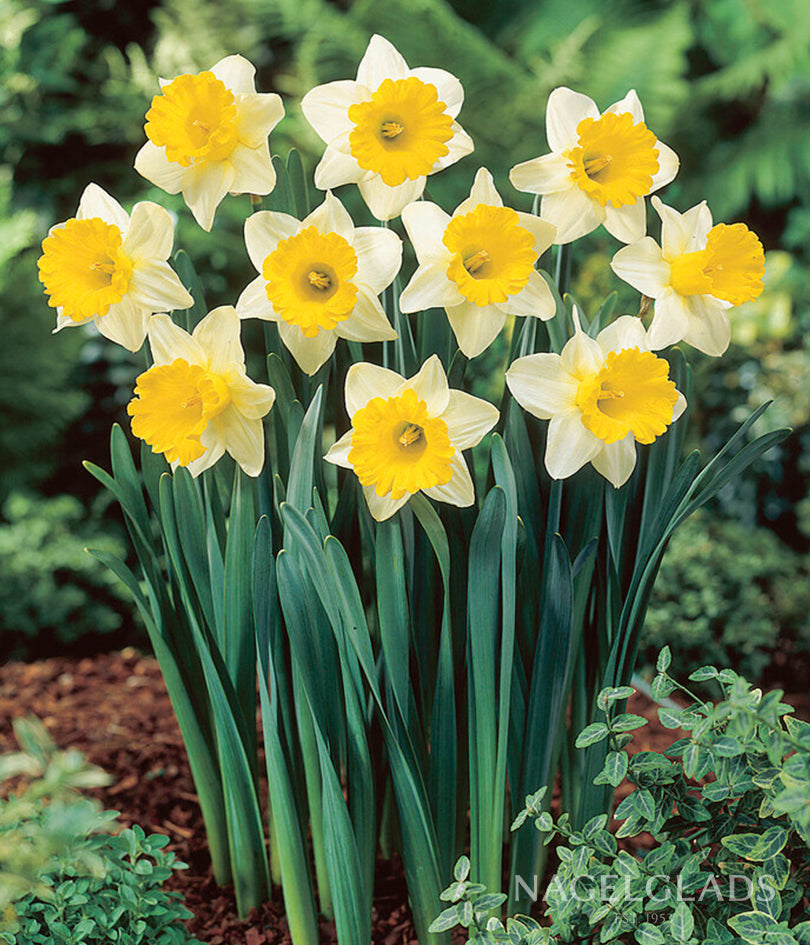
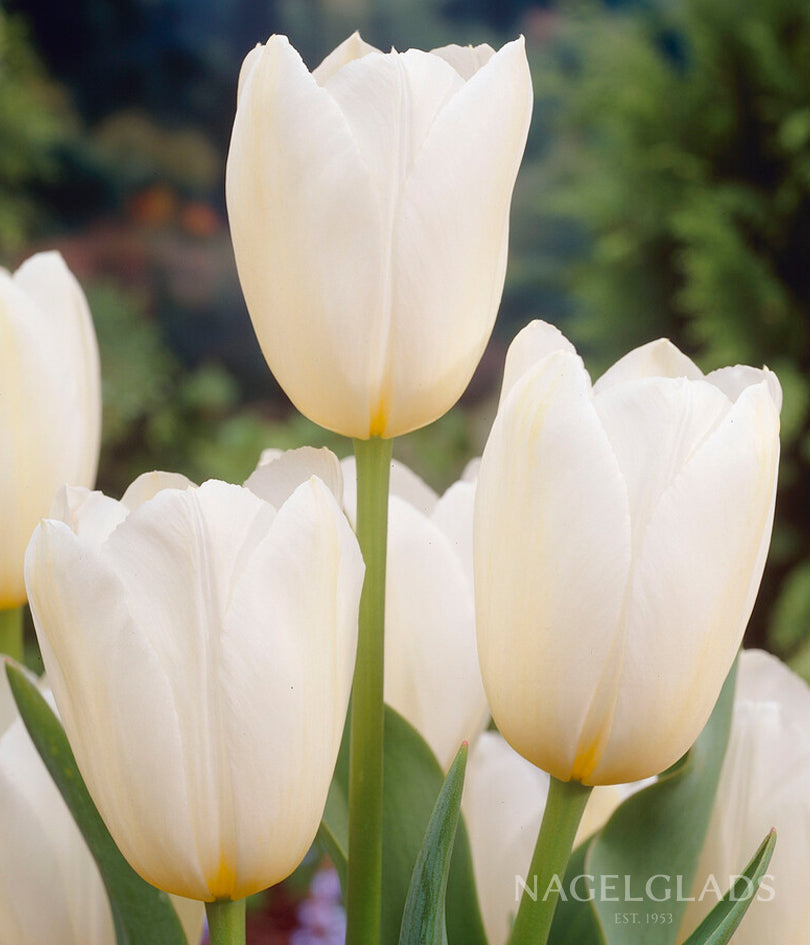
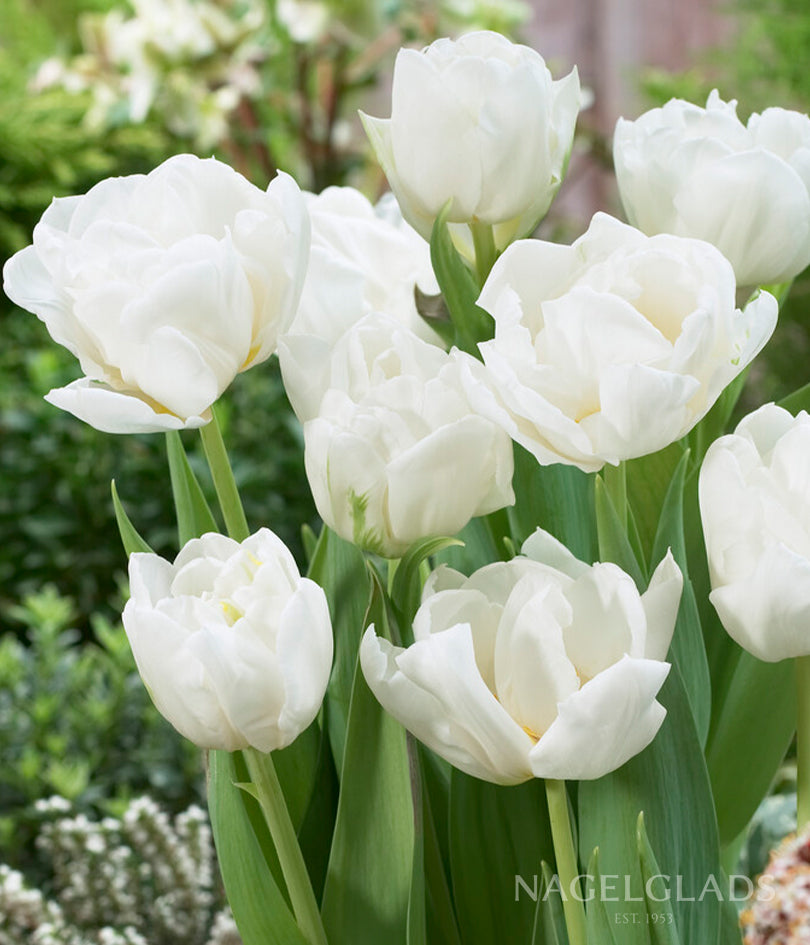
With a sketch of the bed, spacing calculations per species, and quantity totals in hand, putting the order together becomes a straightforward and satisfying exercise. Browse Fall Planted Bulbs by species and select varieties that fit the color story and bloom time plan built in Part 1. Check quantities against your calculations and round up generously, particularly for the species anchoring the early and mid-season phases where a full, dense planting makes the most visual impact. Mixed Daffodil Flower Bulbs and Triumph Tulip Mix Flower Bulbs are strong starting points for the backbone of any Spring planting, with more distinctive varieties like Foxtrot Double Tulip Mix Flower Bulbs and Rainbow Mixed Ranunculus Flower Bulbs adding the moments of surprise and detail that make a planting feel truly considered.
Top 5 Planning Tips for a Full Season Spring Bulb Garden
- Sketch the bed before ordering so quantity calculations are based on actual space rather than estimates
- Use the layering technique to fit more bloom variety into a compact planting area
- Order generously. A full, dense planting almost always requires more bulbs than the first estimate suggests
- Place taller late-season species at the back of one-sided borders and at the center of island beds
- Pre-order now while the full range of varieties is available and before popular selections sell out
The Garden You Are Planning Right Now
The Spring garden that feels most rewarding to walk through is almost always the one that was planned with care before a single bulb went in the ground. Taking the time now to sketch the space, work through the quantities, and build an order that covers the full season from early Spring through late is the kind of quiet, intentional investment that pays back many times over when the garden comes into bloom next year. Browse the full range of Fall Planted Bulbs and place a pre-order while the selection is at its best.