Log in



The Pleasure of Planning Ahead
There is something deeply satisfying about planning next Spring's garden while this Summer is still fresh and new. The season ahead feels open and full of possibility, and the decisions made now about which bulbs to combine, how to layer bloom times, and which colors to carry across the border are the ones that determine how the garden looks and reads months from now. Pre-ordering Fall planted bulbs while the full range of varieties is still available is one of the quieter pleasures of the gardening calendar, and the gardeners who do it consistently are the ones whose Spring gardens tend to look the most considered and complete.
This is Part 1 of a two-part guide to planning and planting a Fall bulb garden. Here we focus on the design side: how to think about bloom sequencing, which species work beautifully together, and how to build a Spring garden that stays full and colorful from the earliest blooms right through to late Spring. Part 2 will walk through the practical side of translating that plan into an order and getting bulbs in the ground correctly.
Understanding Bloom Time as a Design Tool
The most important concept in Spring bulb garden design is bloom time sequencing. Choosing bulbs with bloom timing in mind, rather than color alone, allows a gardener to design a border that transitions gracefully across several months rather than peaking all at once and leaving a gap for weeks afterward. Early season bloomers like Hyacinth and certain Daffodil varieties emerge as the ground warms in early Spring. Mid-season Tulips and Daffodils follow as temperatures climb through Spring. Late season Tulips, Allium, and Bearded Iris carry the display forward into late Spring and early Summer, bridging the gap between the Spring bulb season and the first Summer flowers.
Designing with all three phases in mind from the outset means the garden is never without color or interest across the full Spring season. The key is choosing at least one species from each bloom window and positioning them so that later-emerging plants naturally fill the space left by earlier ones as they finish.

Early Season: Hyacinth and Early Daffodils
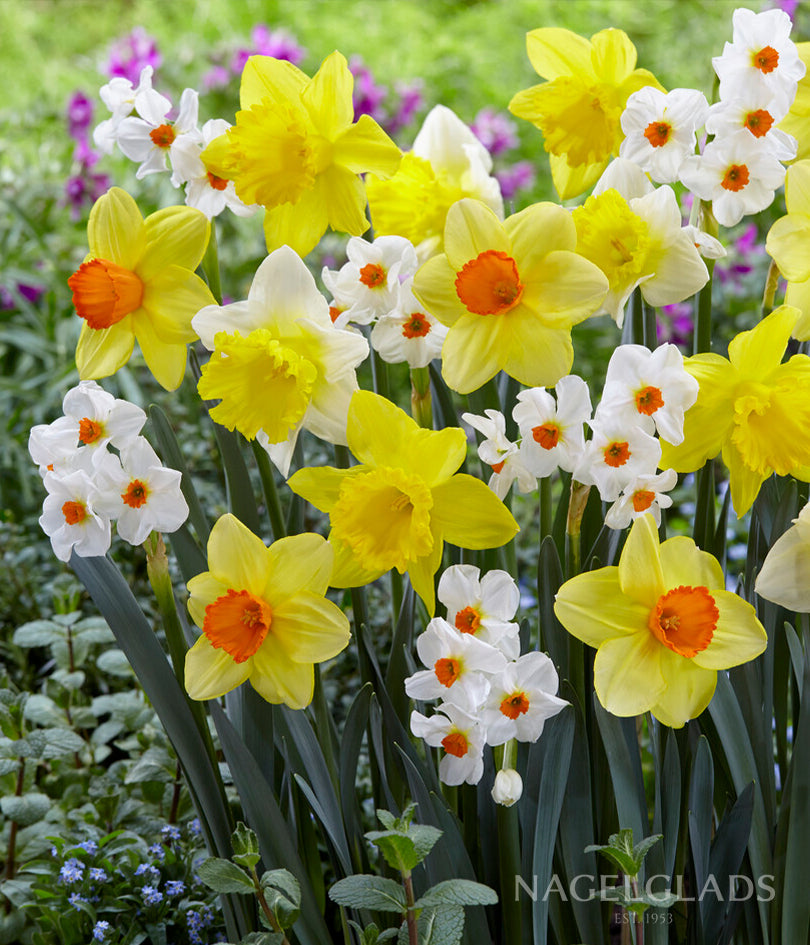
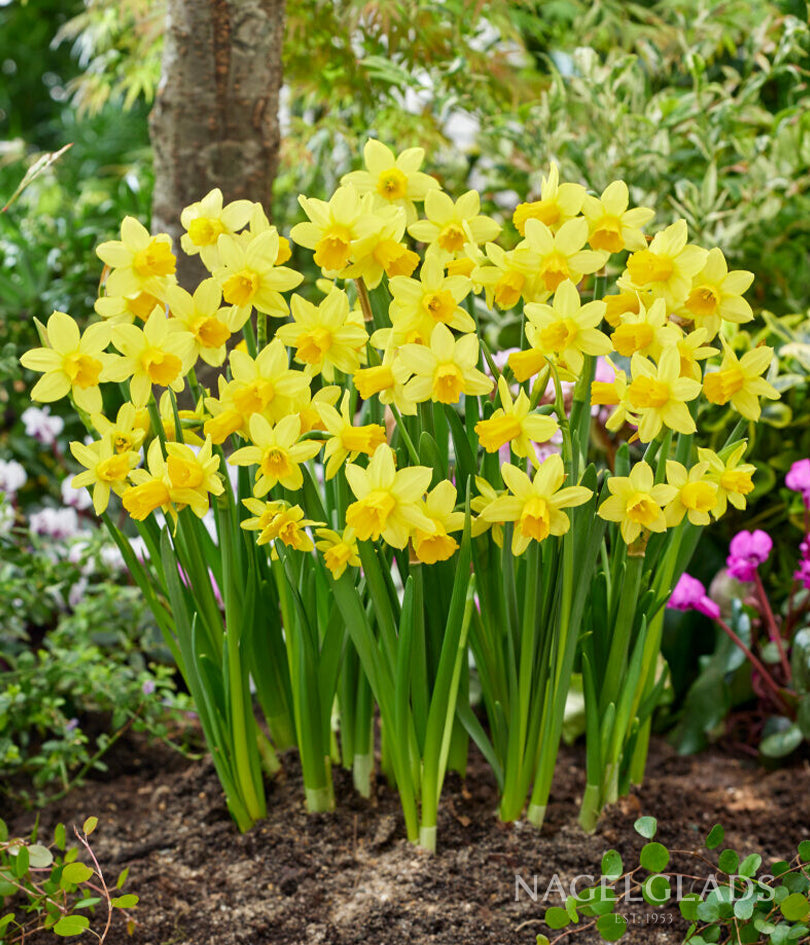
The earliest Spring bloomers are among the most welcome flowers in the garden, arriving when color has been absent for months and the new season is just beginning. Mixed Hyacinth Flower Bulbs are one of the most reliable early performers, producing dense, intensely fragrant spikes in a range of soft to saturated tones that read beautifully in the cool light of early Spring. Mixed Pastel Hyacinth Flower Bulbs offer a softer, more restrained version of the same effect, with blush pinks and soft lavenders that sit especially well in naturalistic or cottage-style plantings. Among Daffodils, Tete a Tete Daffodil Flower Bulbs are one of the earliest to emerge, producing small cheerful yellow blooms on compact stems that naturalize readily and return reliably year after year. Planting these early bloomers toward the front of a border, where they are most visible from paths and seating areas, makes the most of their brief and joyful season.
Mid Season: Tulips, Daffodils, and Ranunculus
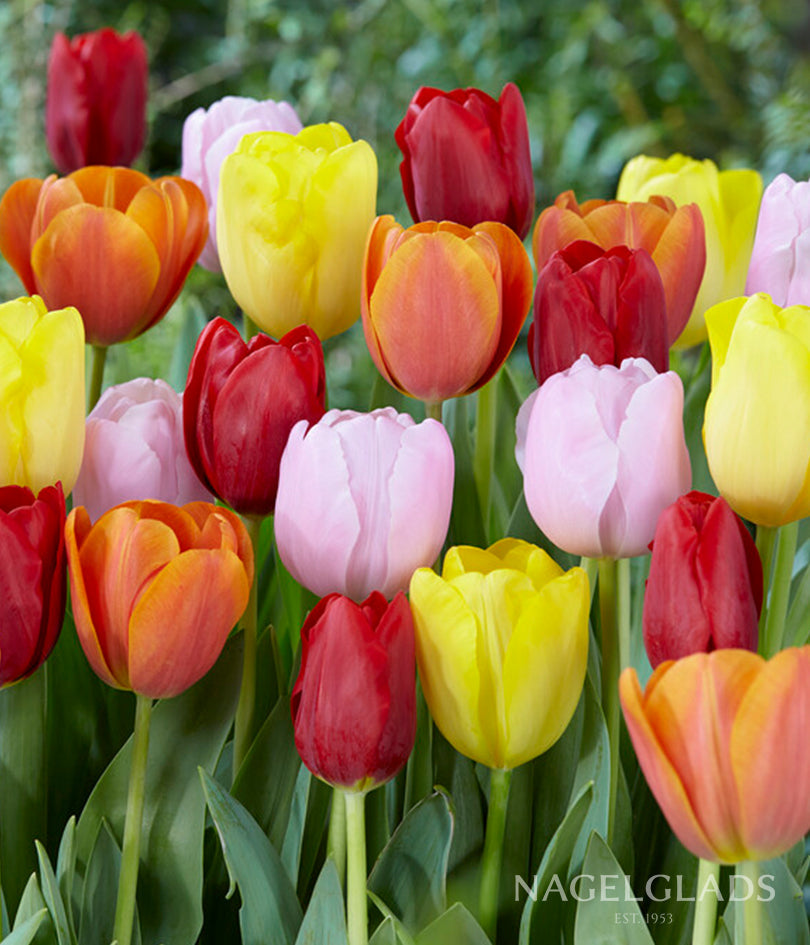
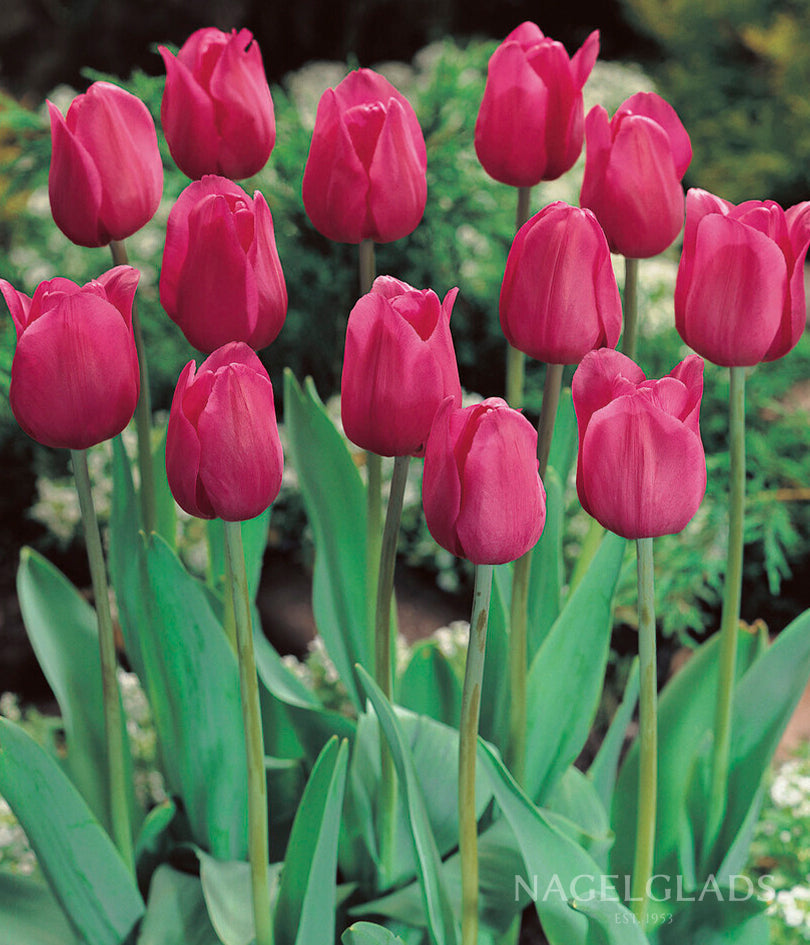
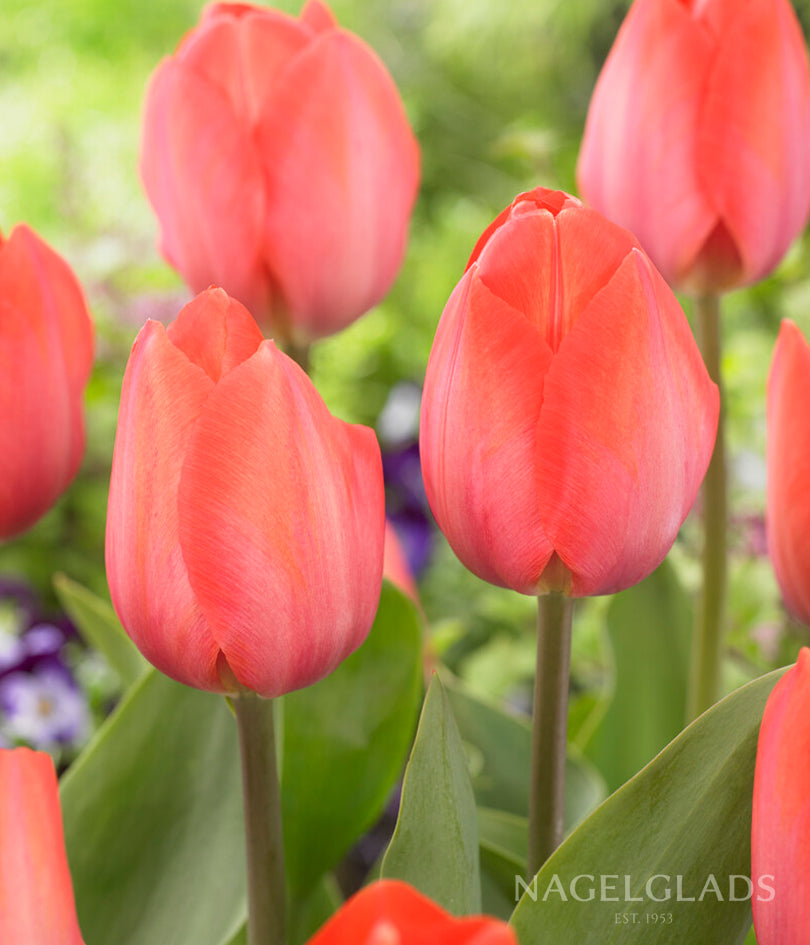
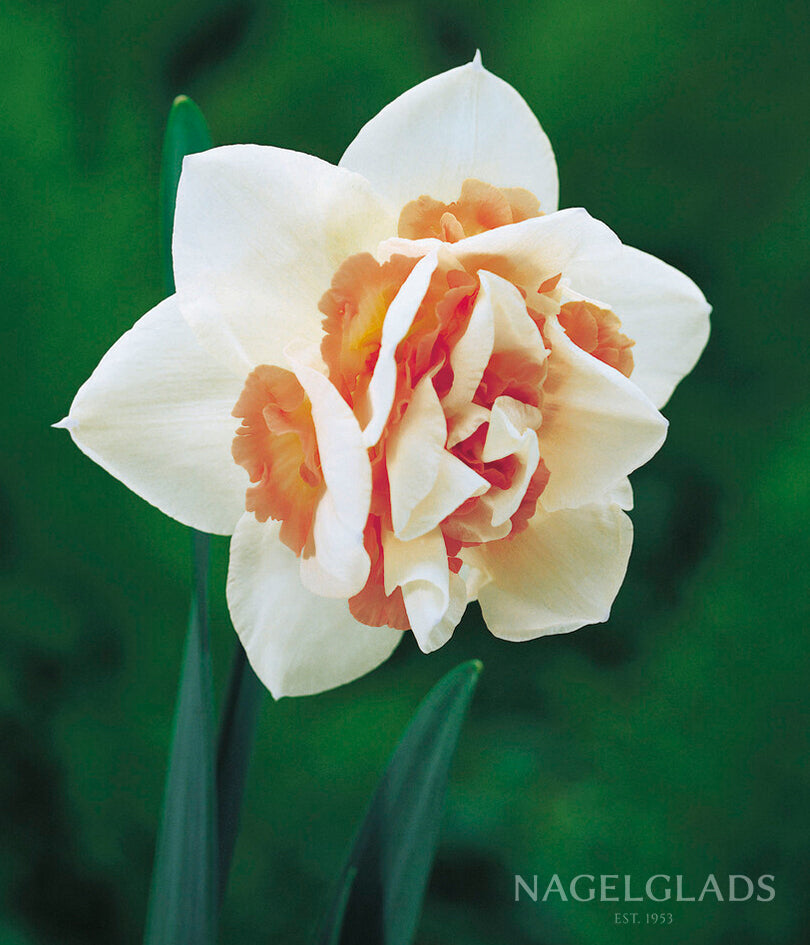
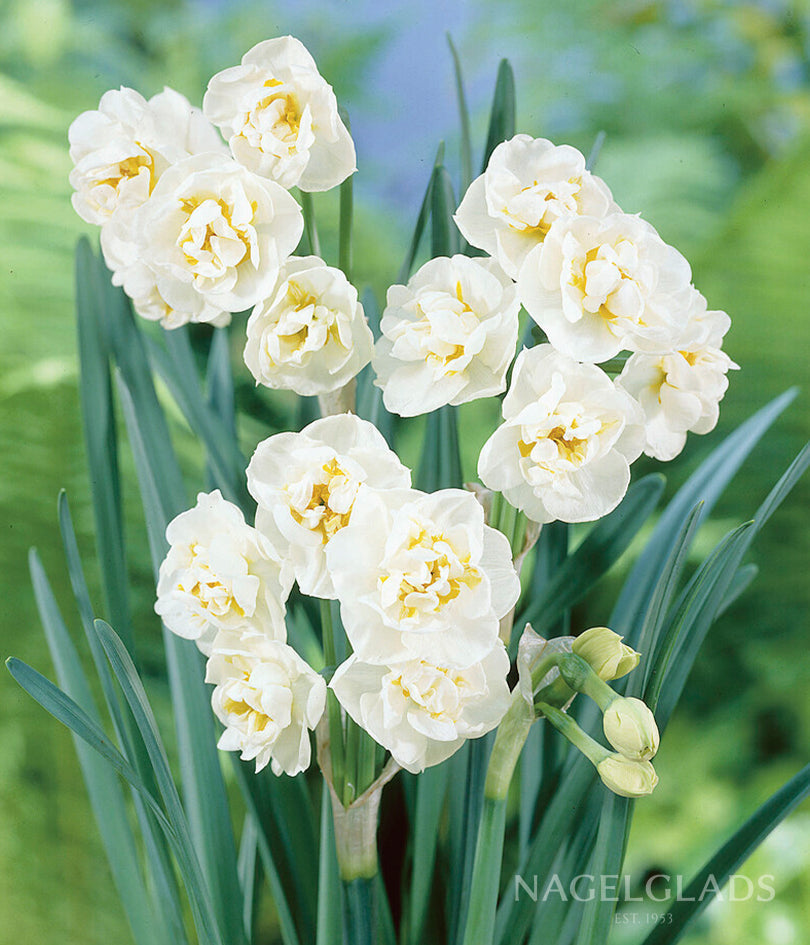
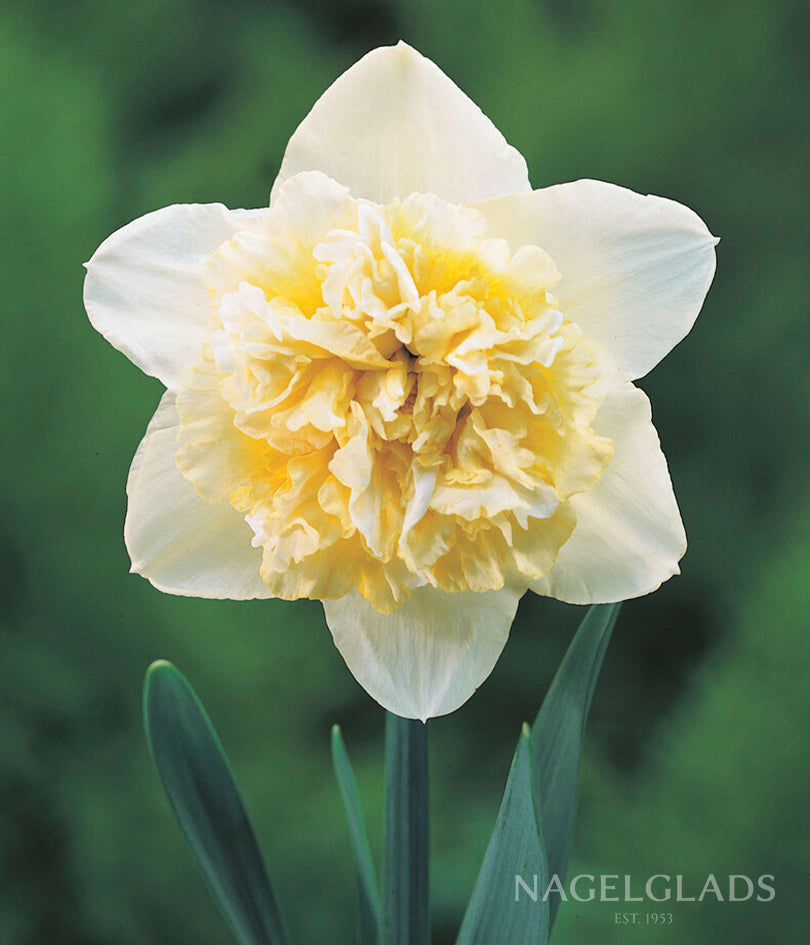
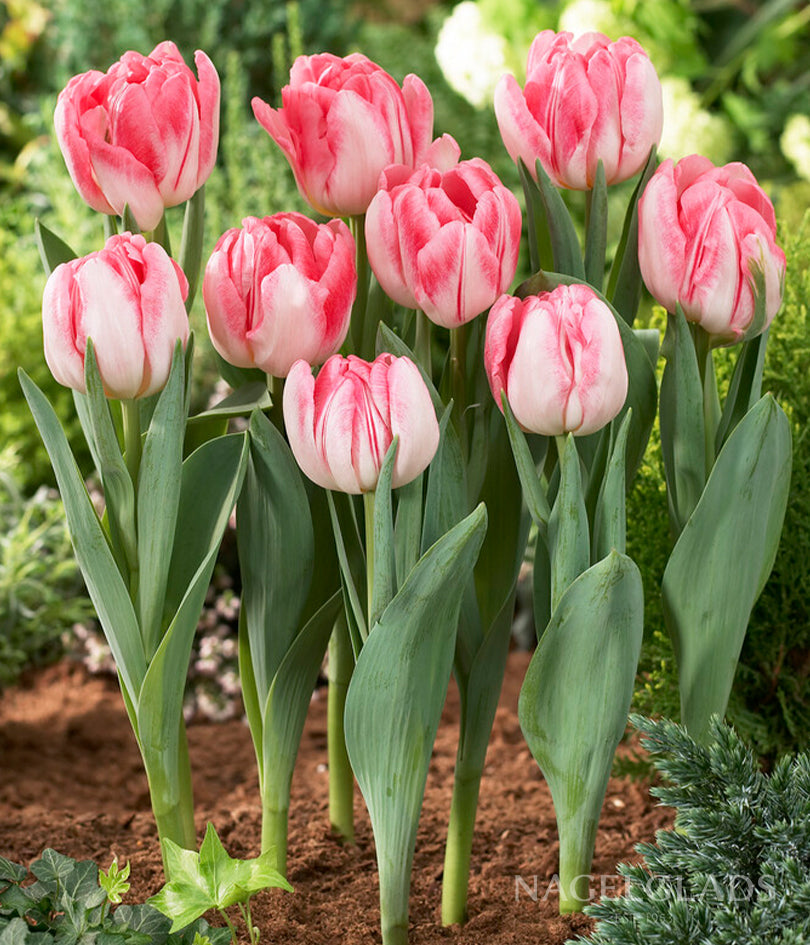
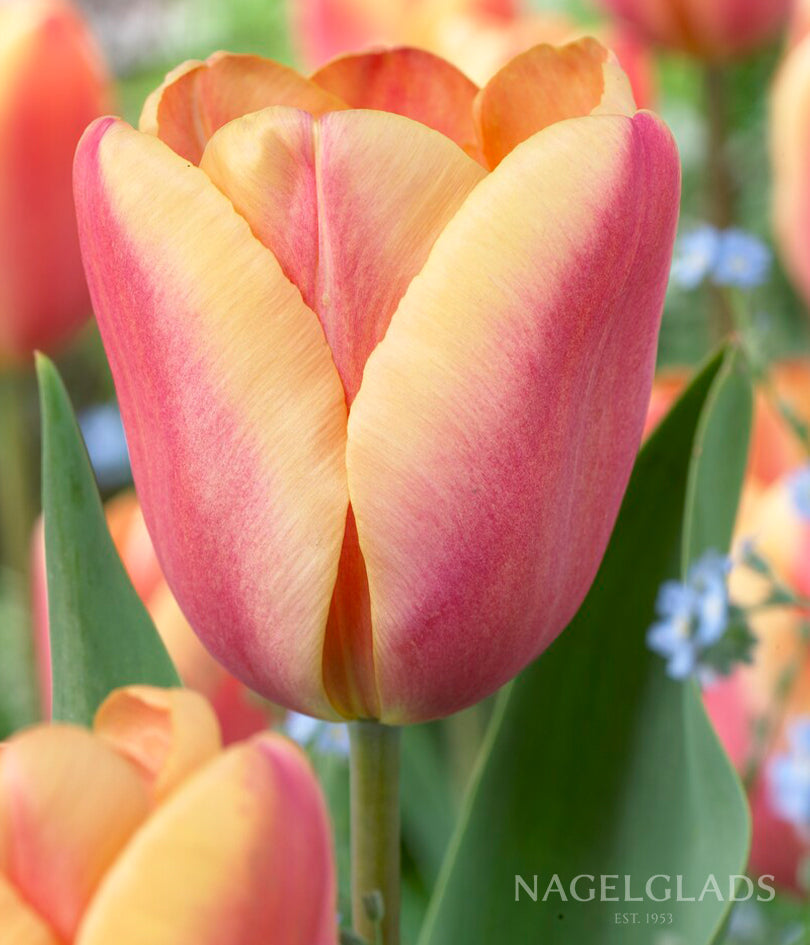
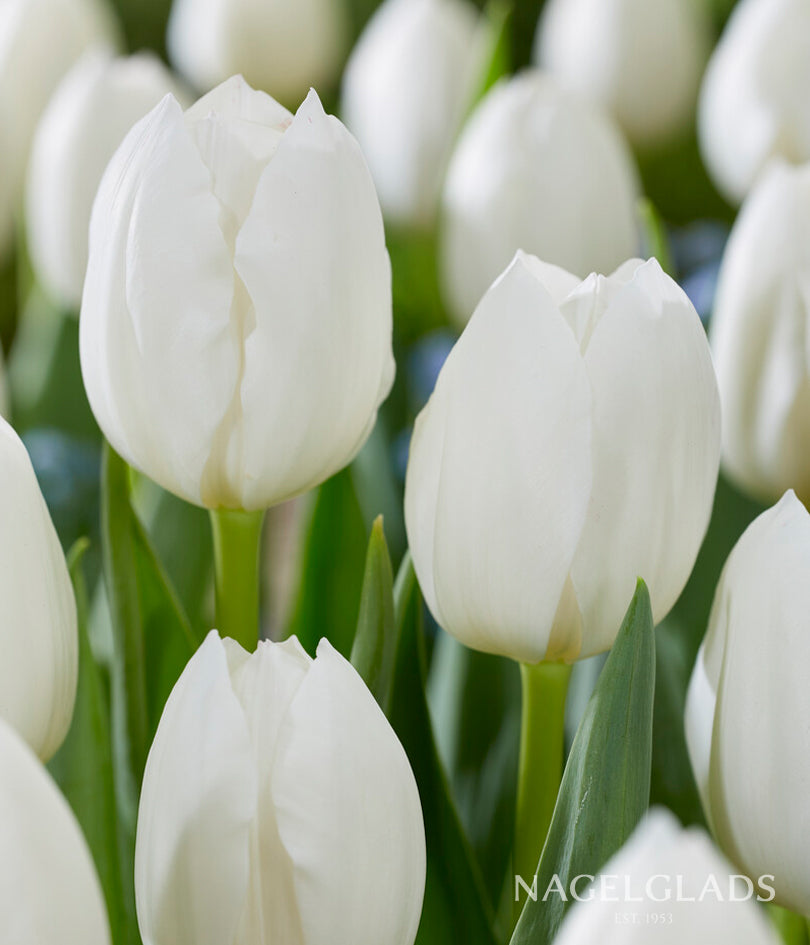
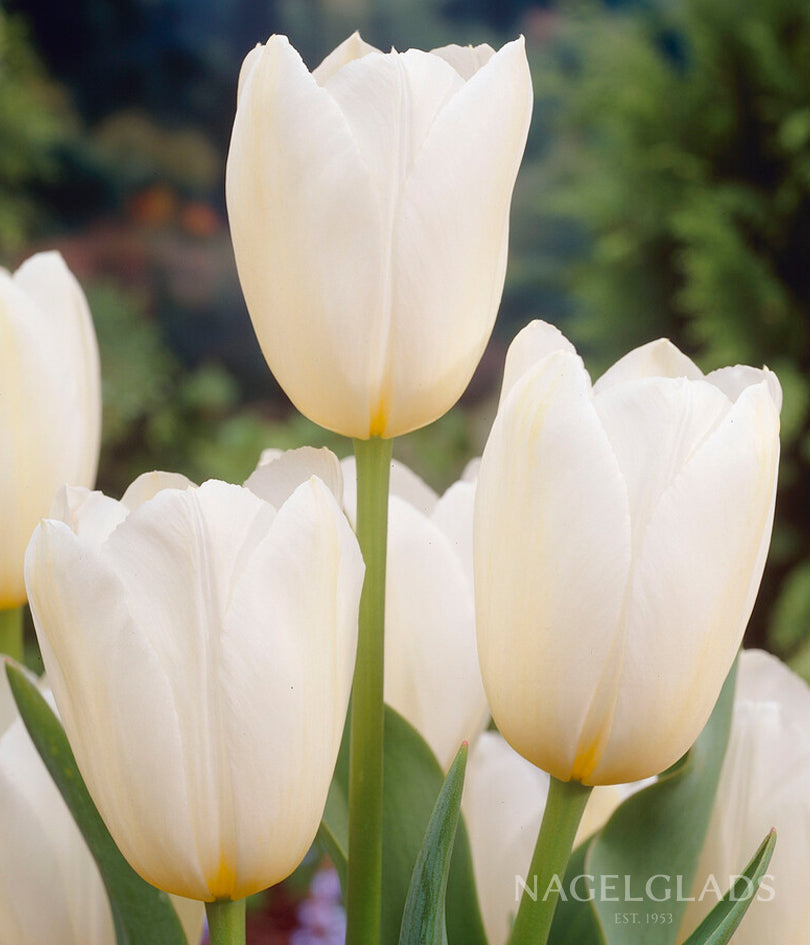
The mid-season window is the most abundant phase of the Spring bulb calendar and offers the widest range of color, form, and height to work with. Triumph Tulips are among the most reliable mid-season performers, producing sturdy stems and large upright blooms across a broad color range. Don Quichotte Triumph Tulip Flower Bulbs bring a rich warm pink that photographs beautifully and pairs naturally with white and cream companions. Strong Gold Triumph Tulip Flower Bulbs offer a clean saturated yellow that anchors a warm palette with confidence. Bridal Crown Daffodil Flower Bulbs produce double white blooms with soft yellow centers, adding a more complex floral form to the mid-season display that contrasts beautifully with the simpler cup-and-petal structure of single Daffodils nearby.
Rainbow Mixed Ranunculus Flower Bulbs are a Fall planted bulb that rewards early planning and variety selection. Planted in Fall, Ranunculus produce their layered, rose-like blooms in Spring, with timing that varies by region, earlier in warmer climates and later in cooler ones. Their bloom form adds a lushness and depth to Spring arrangements and garden beds that few other bulbs can match, and securing them now as part of a Fall pre-order is the best way to make sure they are part of the Spring display you are planning.

Late Season: Allium, Late Tulips, and Bearded Iris
The late season phase is where many Spring bulb gardens lose momentum, and a thoughtful selection of species is what keeps the border looking full and interesting well into late Spring. Purple Sensation Allium Flower Bulbs are one of the most architecturally striking late-season bulbs available, producing large spherical heads of deep violet-purple on tall stems that rise above the fading foliage of earlier bulbs and create a dramatic punctuation in the border. Azureum Allium Flower Bulbs offer a smaller, more delicate alternative with starry blue blooms that naturalize beautifully in informal plantings. Queen of Night Single Late Tulip Flower Bulbs are among the latest Tulips to bloom and bring a near-black deep purple tone that creates extraordinary contrast alongside lighter late-season companions. Mixed Bearded Iris Flower Bulbs extend the season even further, producing large, intricate blooms in a wide range of colors just as the last Tulips are finishing and the garden moves into its Summer phase.
Designing for Visual Continuity
Beyond bloom time, visual continuity across the season requires thinking about how the garden will look as earlier bulbs finish and later ones take over. One of the most practical approaches is to plant late-emerging species close to early bloomers so that their foliage naturally fills the space left as early bulbs die back. Allium foliage, for example, emerges early and begins to fade just as the flower heads are developing, but neighboring mid and late season plants will have grown enough by then to obscure the untidy foliage without crowding the blooms. Designing in generous drifts of each variety rather than scattered individual bulbs also helps maintain a sense of fullness as the season progresses. A single grouping of fifteen or twenty Tulips reads as a deliberate statement in a way that three or four scattered across a bed simply cannot.
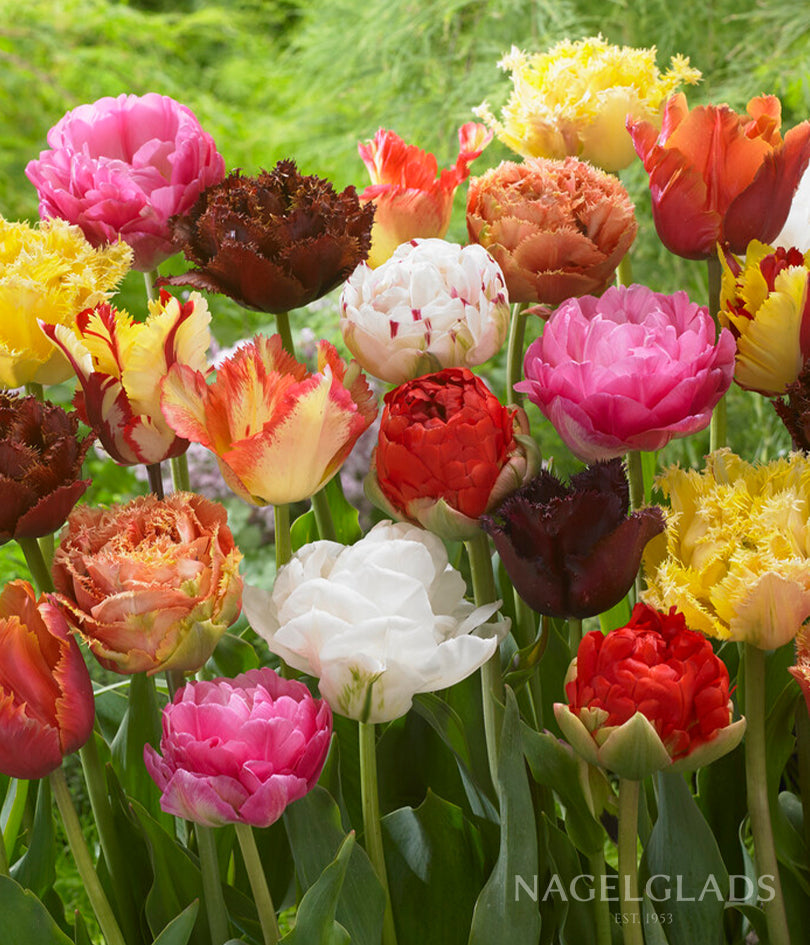
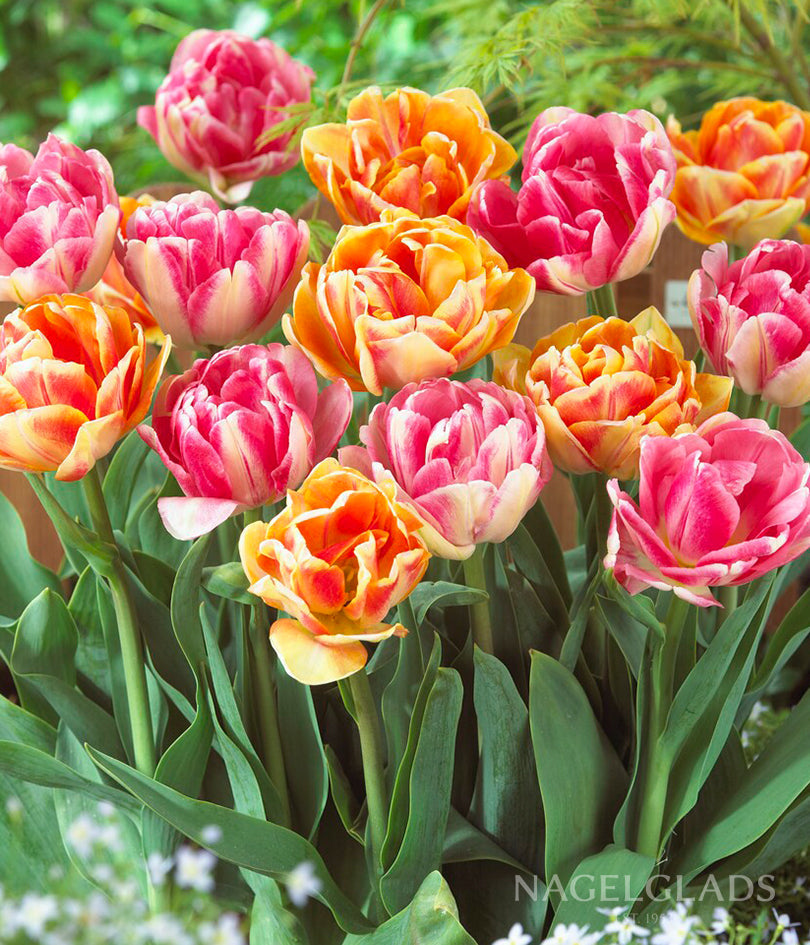
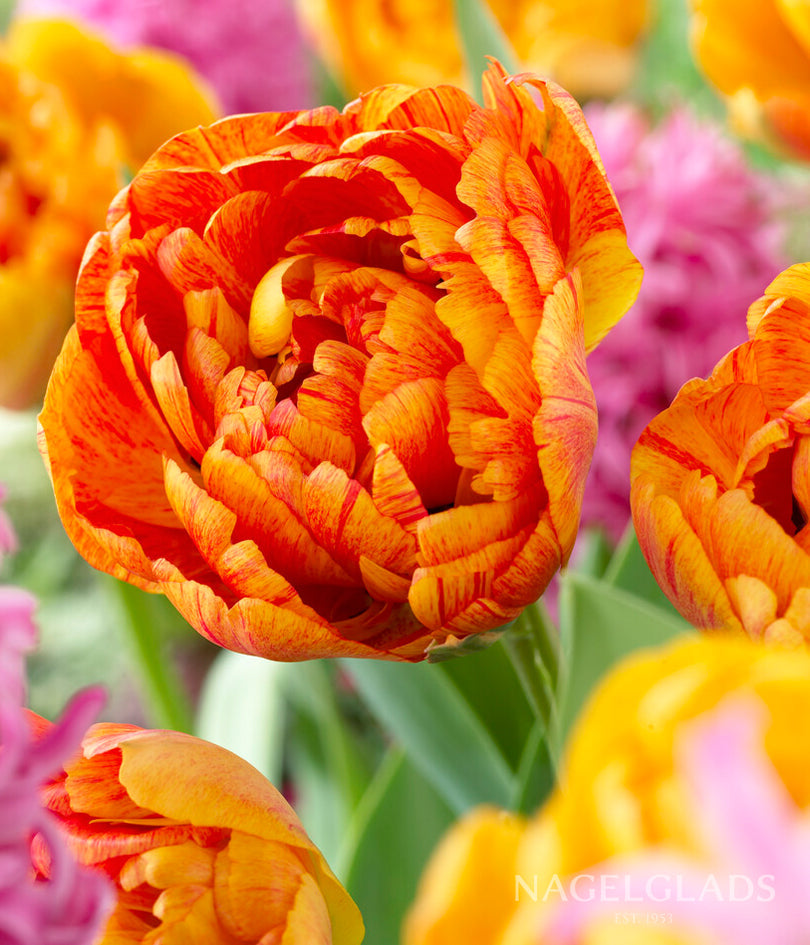
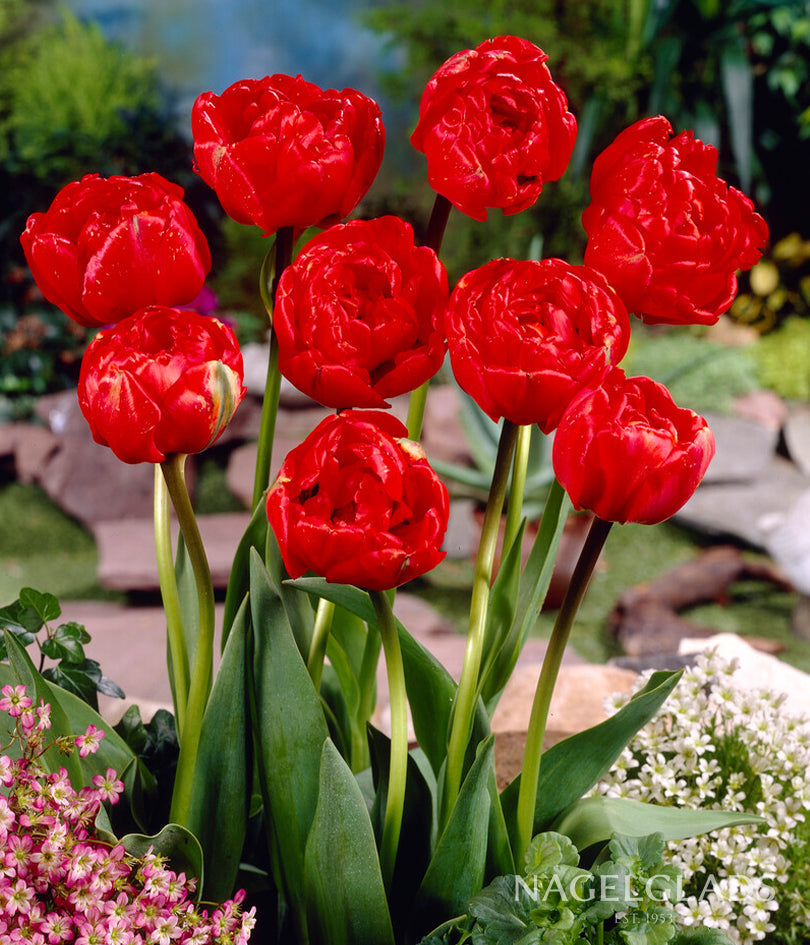
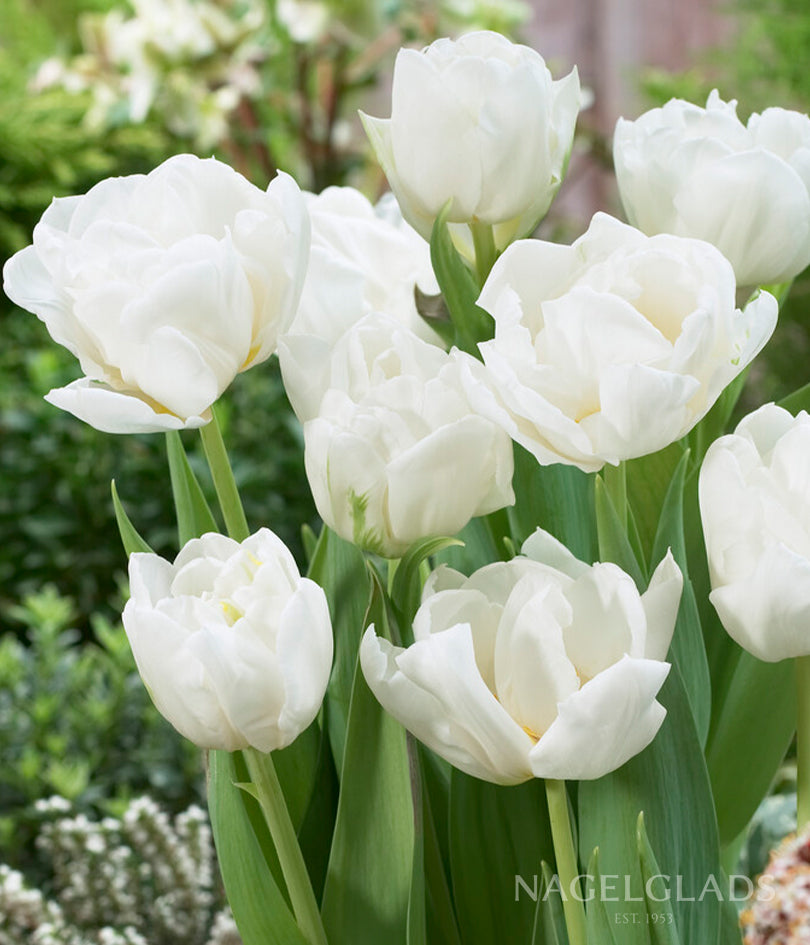
Parrot Tulip Mix Flower Bulbs planted in generous clusters add a particularly lush and painterly quality to the mid-season border, with their dramatically fringed and feathered petals creating a sense of abundance that smaller flowered varieties cannot achieve at the same planting density. Foxtrot Double Tulip Mix Flower Bulbs offer a similarly full effect with their peony-like double blooms, making them especially useful in beds where the goal is maximum visual impact from a relatively compact planting area.

Combining Color Across the Full Season
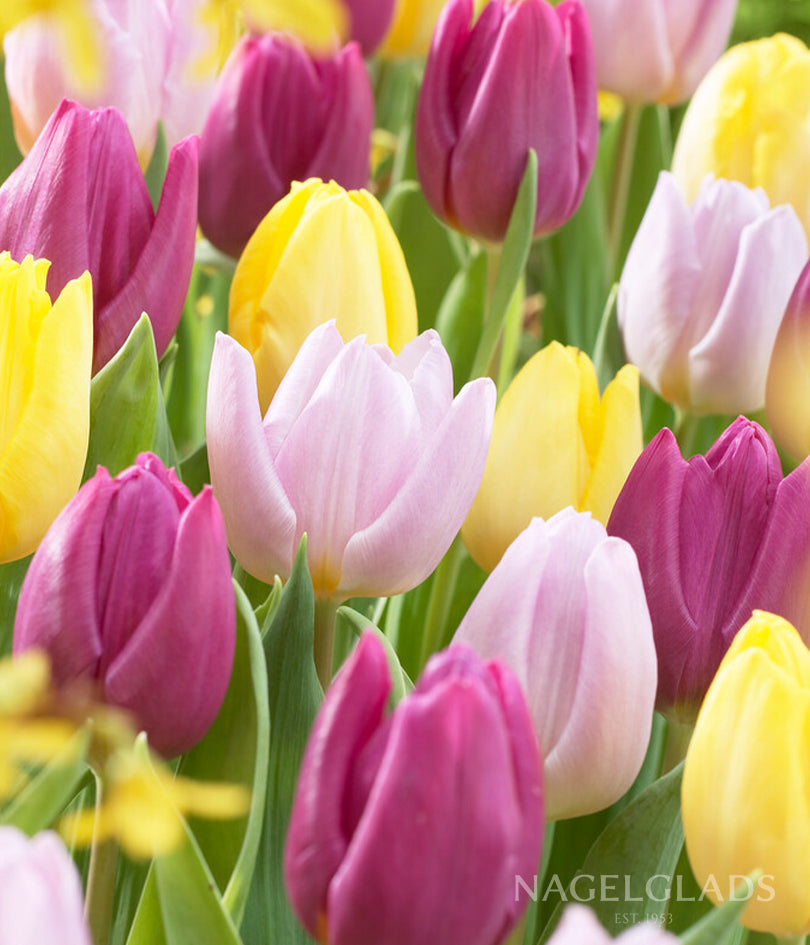
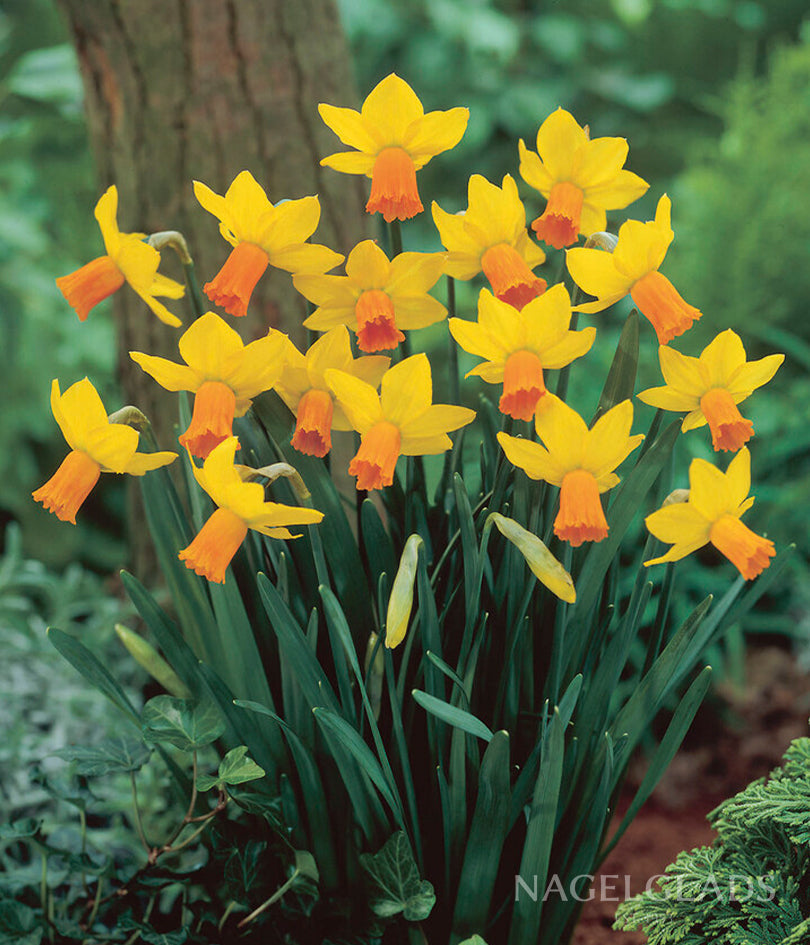
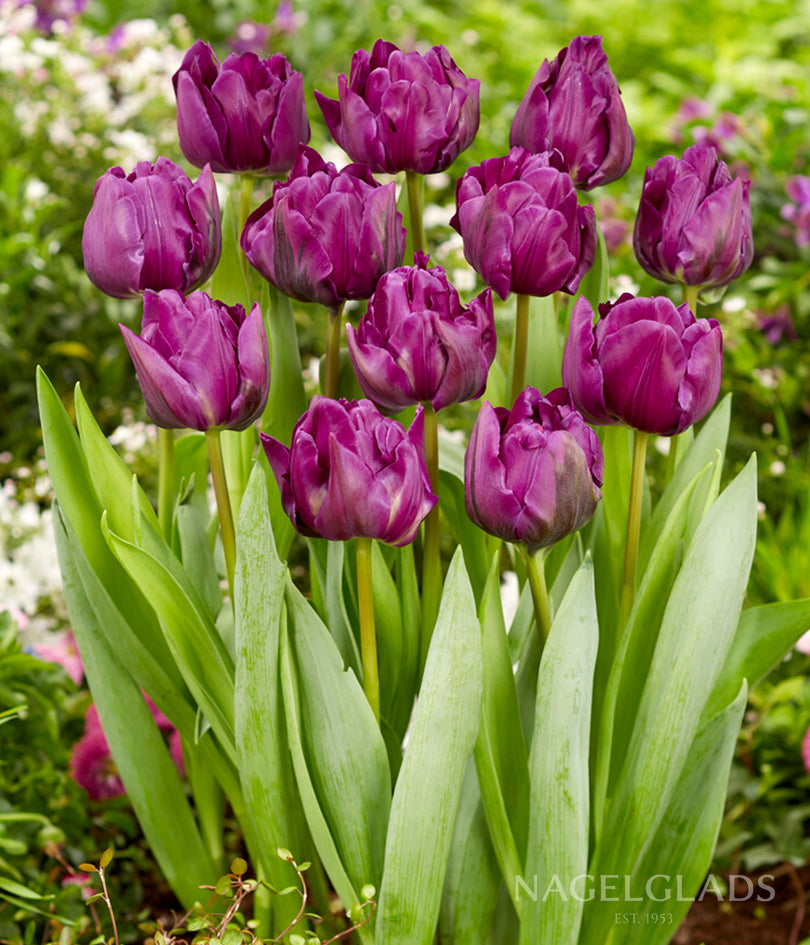
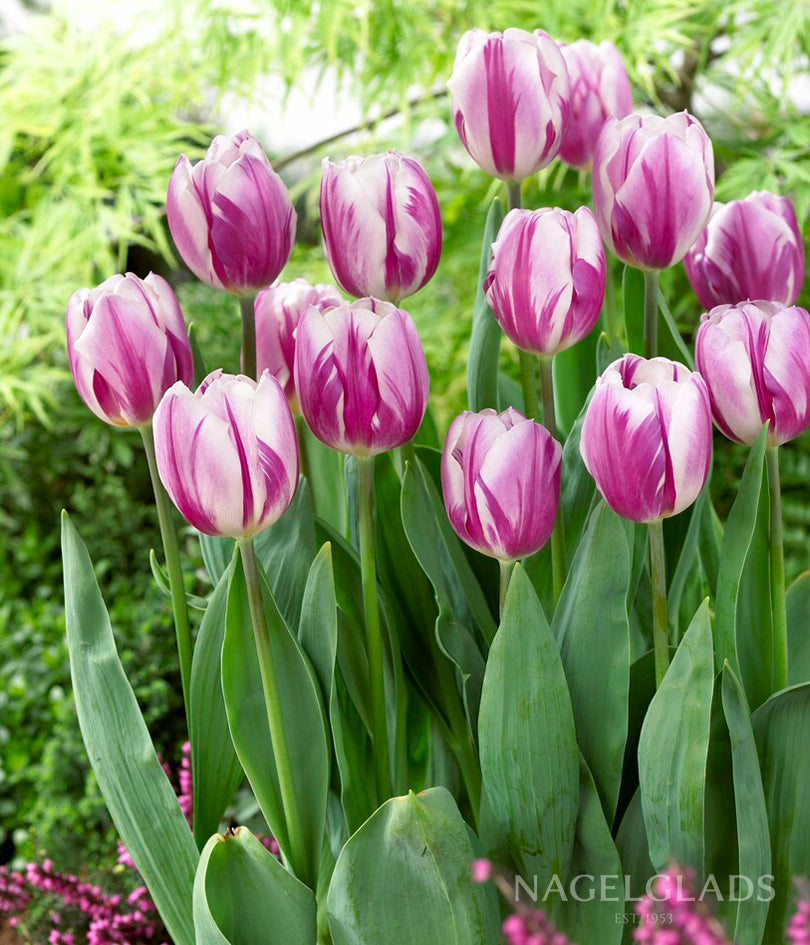
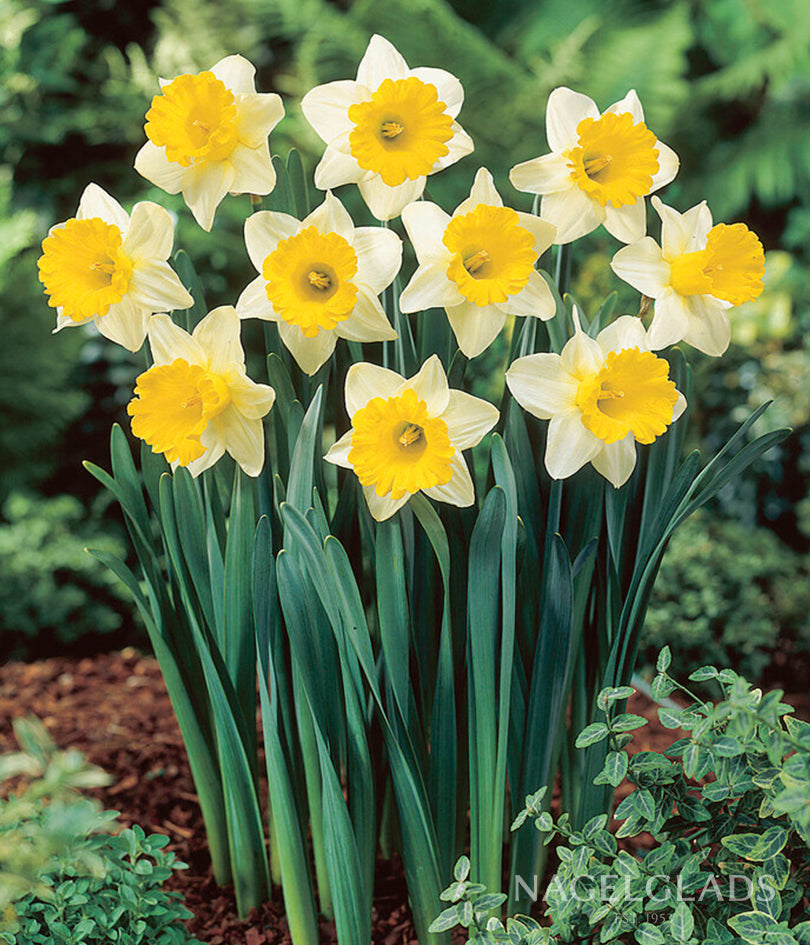
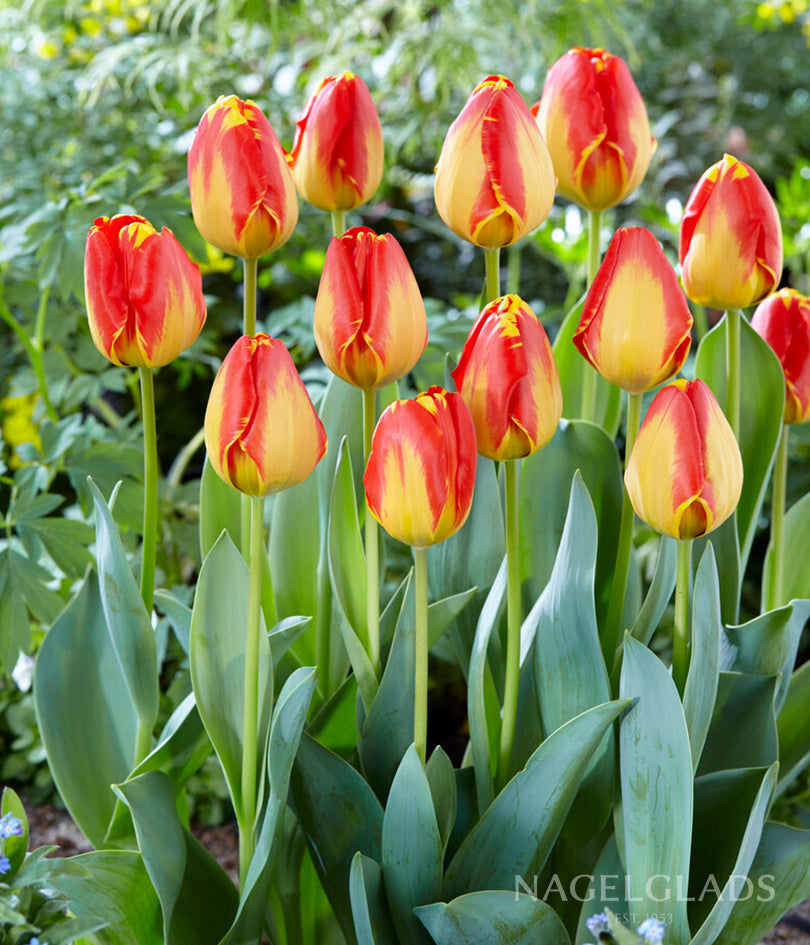
The most enduring Spring gardens are built around a color story that holds together across all three bloom phases rather than shifting dramatically from one month to the next. Choosing a palette in advance and selecting varieties from each bloom window that fit within it creates a border that feels cohesive and intentional throughout the season. A cool palette built from purples, whites, and soft pinks might move from Mixed Pastel Hyacinth Flower Bulbs in early Spring through Mondial Double Tulip Flower Bulbs and Thalia Daffodil Flower Bulbs at mid-season and finish with Purple Sensation Allium Flower Bulbs and Mixed Bearded Iris Flower Bulbs in late Spring. A warmer palette anchored in yellows, oranges, and soft reds might begin with Tete a Tete Daffodil Flower Bulbs, move through Orange van Eijk Darwin Tulip Flower Bulbs and Sunlover Double Tulip Flower Bulbs, and carry forward into Jetfire Daffodil Flower Bulbs and Orange Juice Triumph Tulip Flower Bulbs as the season closes.
Top 5 Species for a Full Season Spring Bulb Garden
- Mixed Hyacinth Flower Bulbs for fragrant early color while the season is just beginning
- Triumph Tulips for reliable mid-season structure across a wide range of colors
- Purple Sensation Allium Flower Bulbs for dramatic late-season height and architectural form
- Rainbow Mixed Ranunculus Flower Bulbs for lush, layered blooms that elevate the mid-season display
- Mixed Bearded Iris Flower Bulbs for late-season color that bridges Spring into Summer
Start Planning Now While the Full Range Is Available
The varieties available for pre-order right now represent the full depth of the Nagel Glads Fall planted catalog, and securing your selection early is the best way to make sure the plan you build here translates into the garden you actually want next Spring. Browse the full range of Fall Planted Bulbs and begin mapping out a planting that covers the whole season. Part 2 of this guide will walk through exactly how to translate that vision into quantities, spacing, and a planting plan that sets every bulb up for its best possible Spring.