Log in



Why Soil Temperature Matters More Than Air Temperature
Early spring growth depends far more on soil temperature than on daytime highs. Bulbs and seeds respond to conditions below the surface, where temperatures change slowly and predictably. A few warm afternoons do little if the soil remains cold. Consistent soil temperatures allow roots to develop before visible growth accelerates. This foundation supports stronger stems and more reliable flowering.
How Bulbs Use Cool Soil to Their Advantage
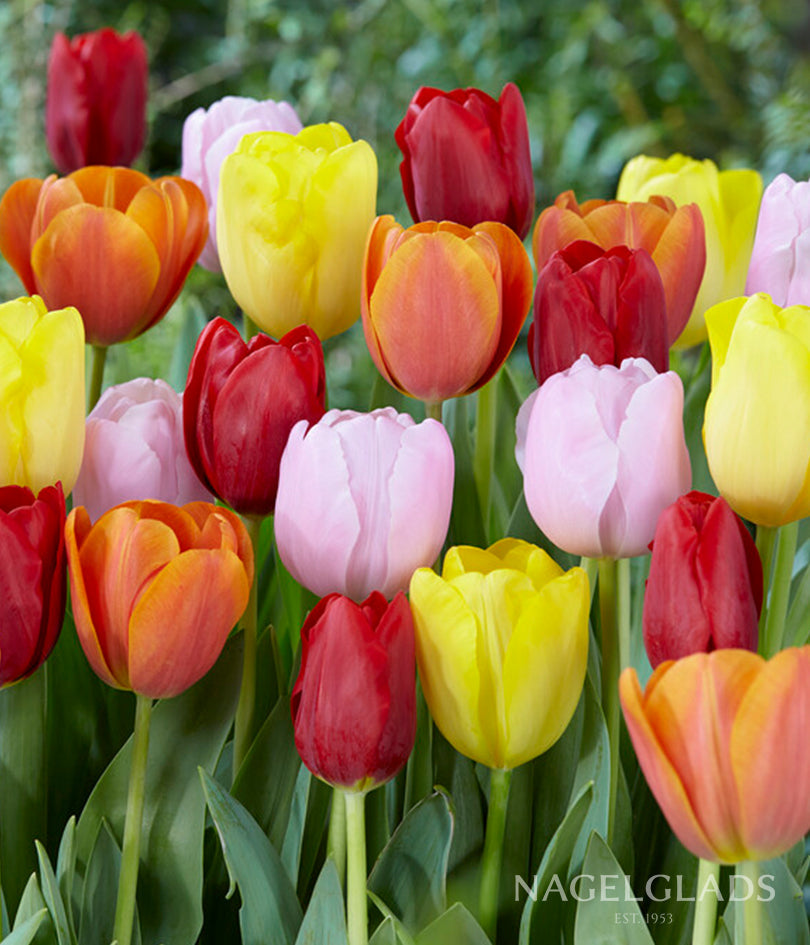
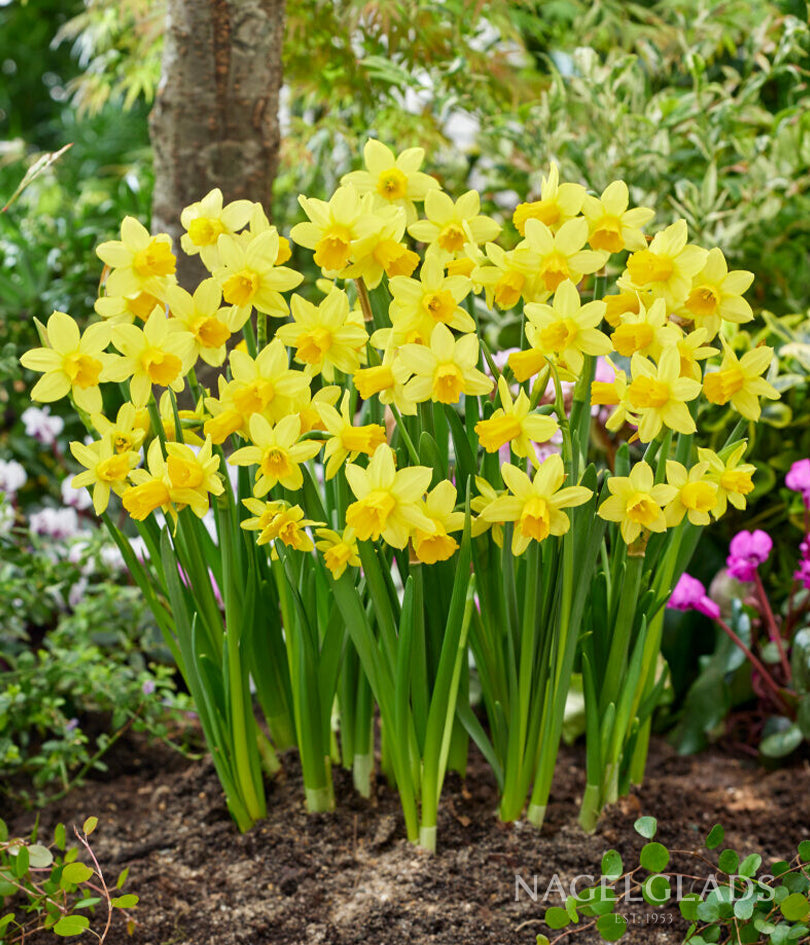
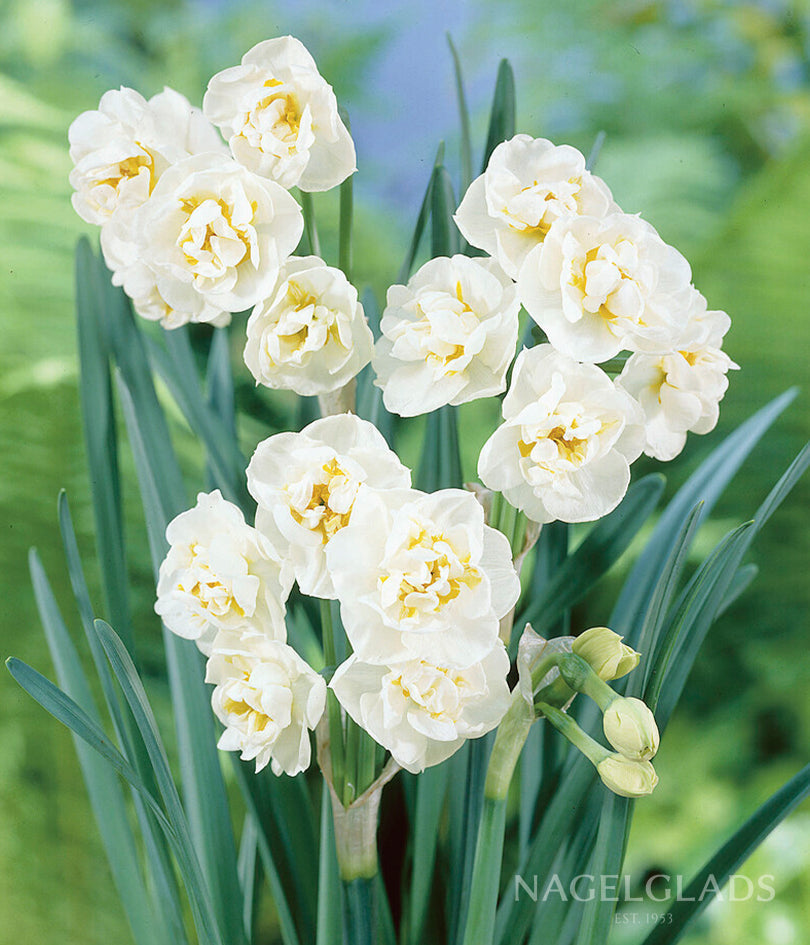
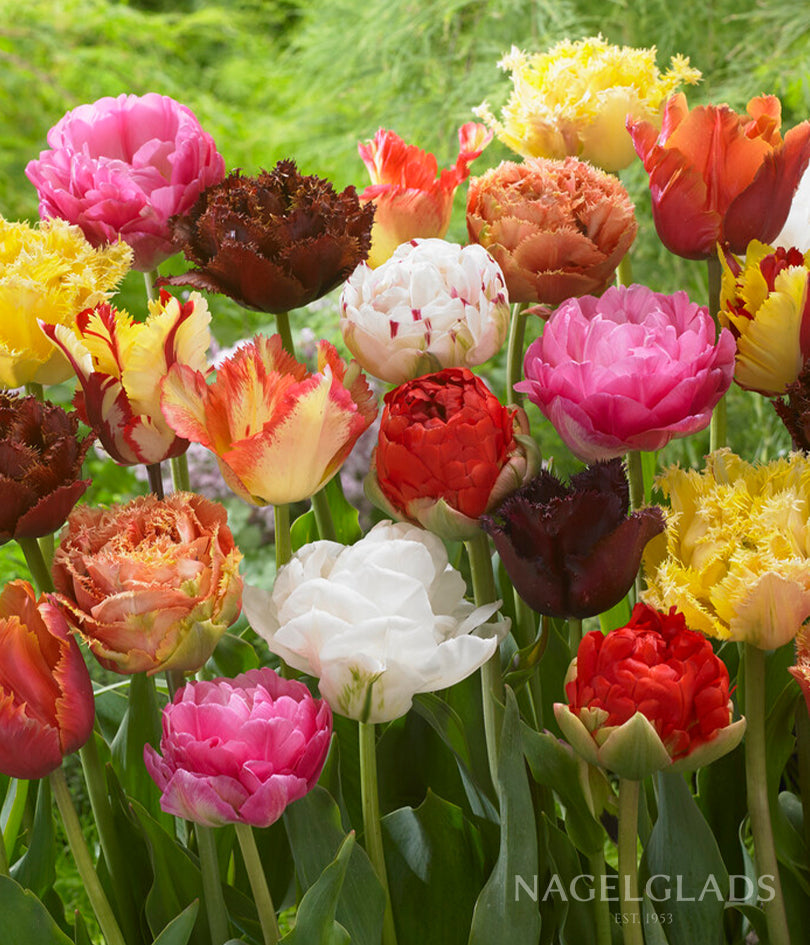
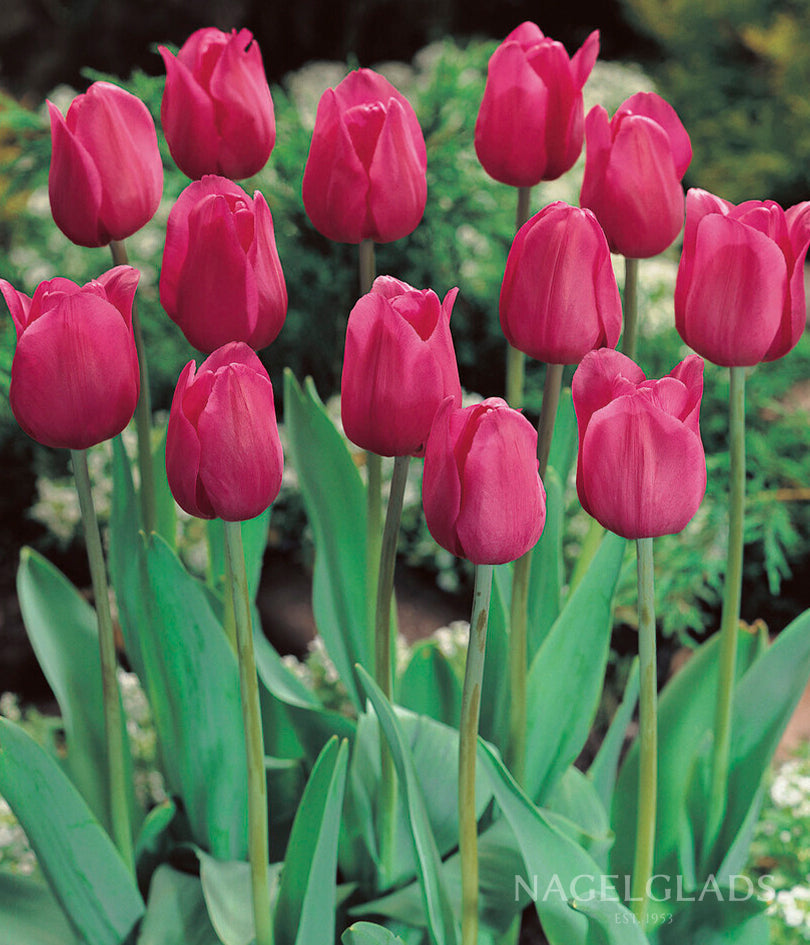
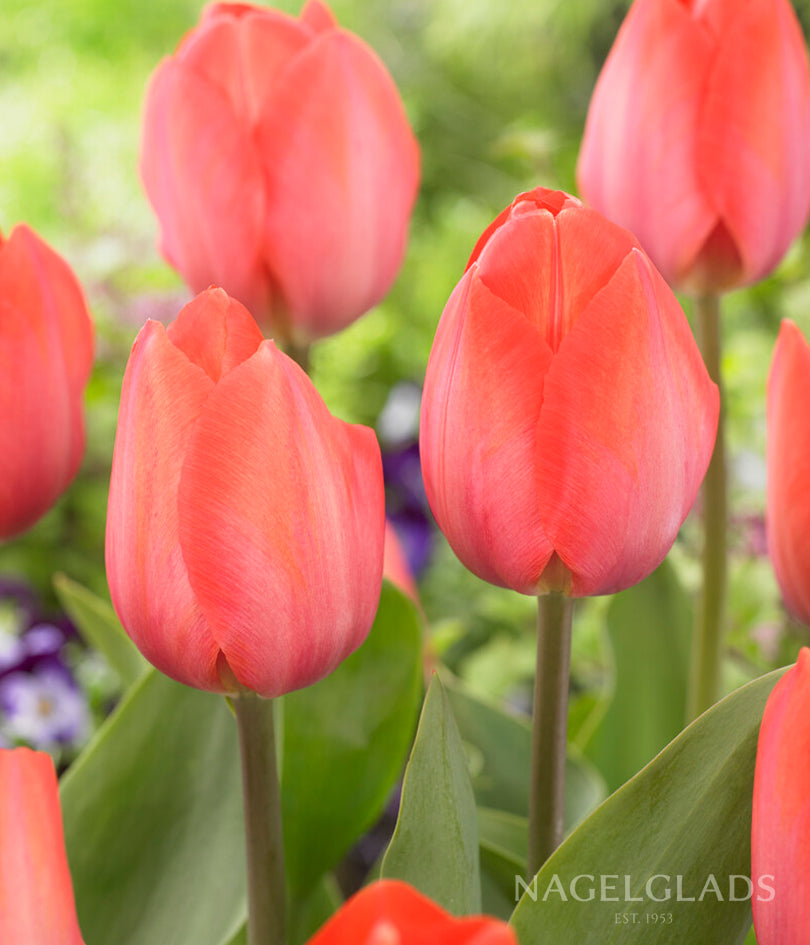
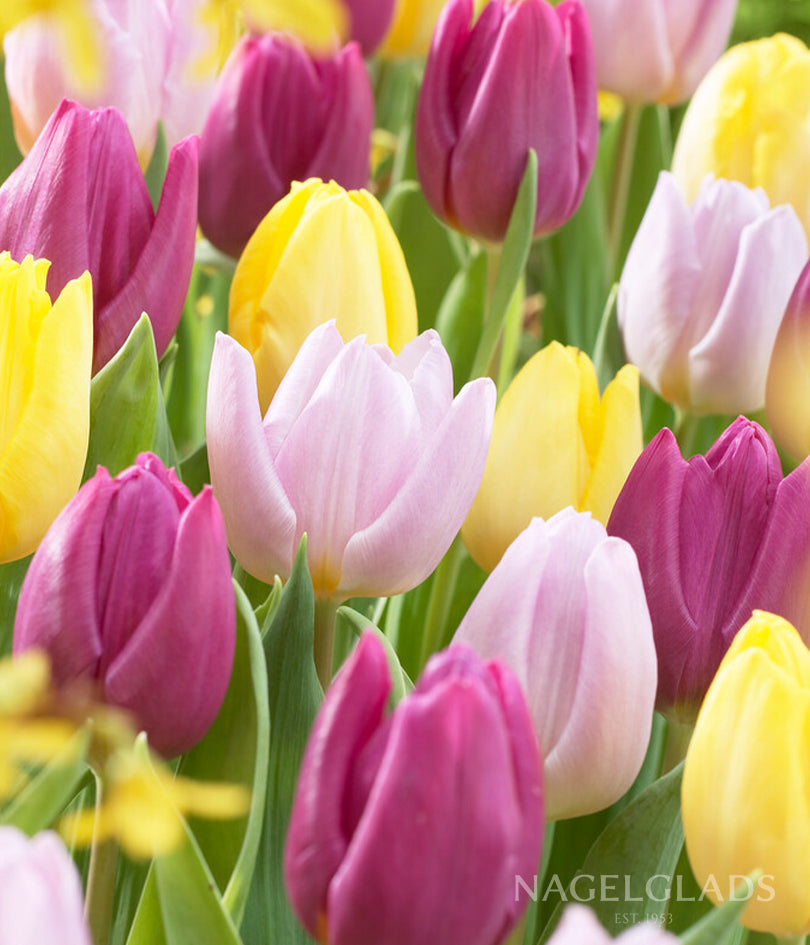
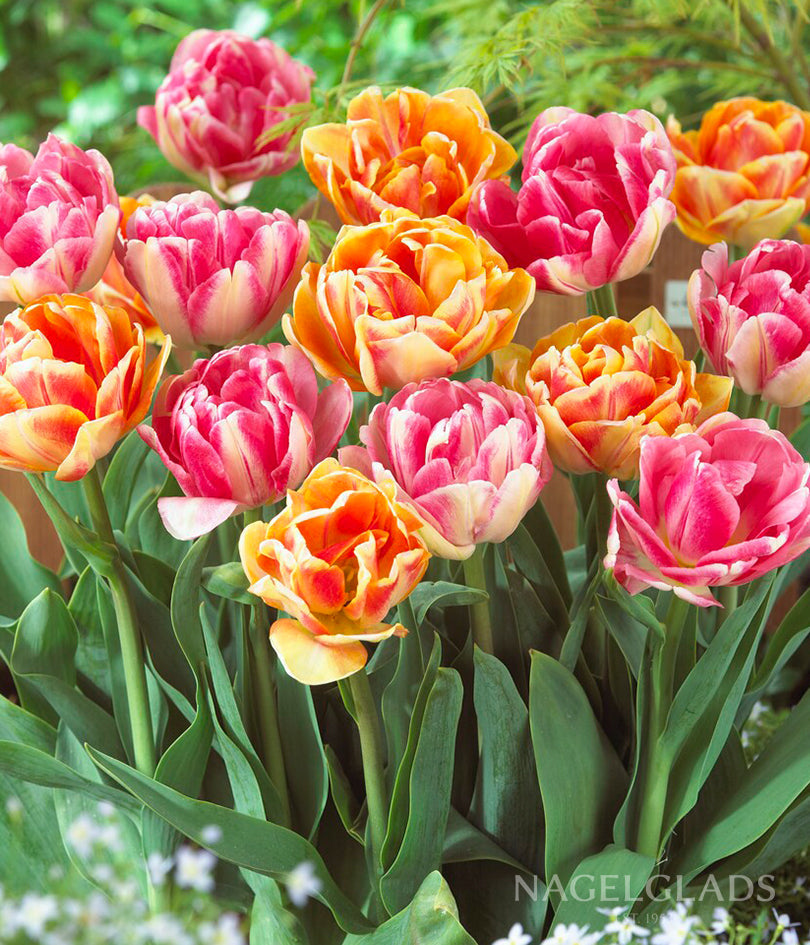
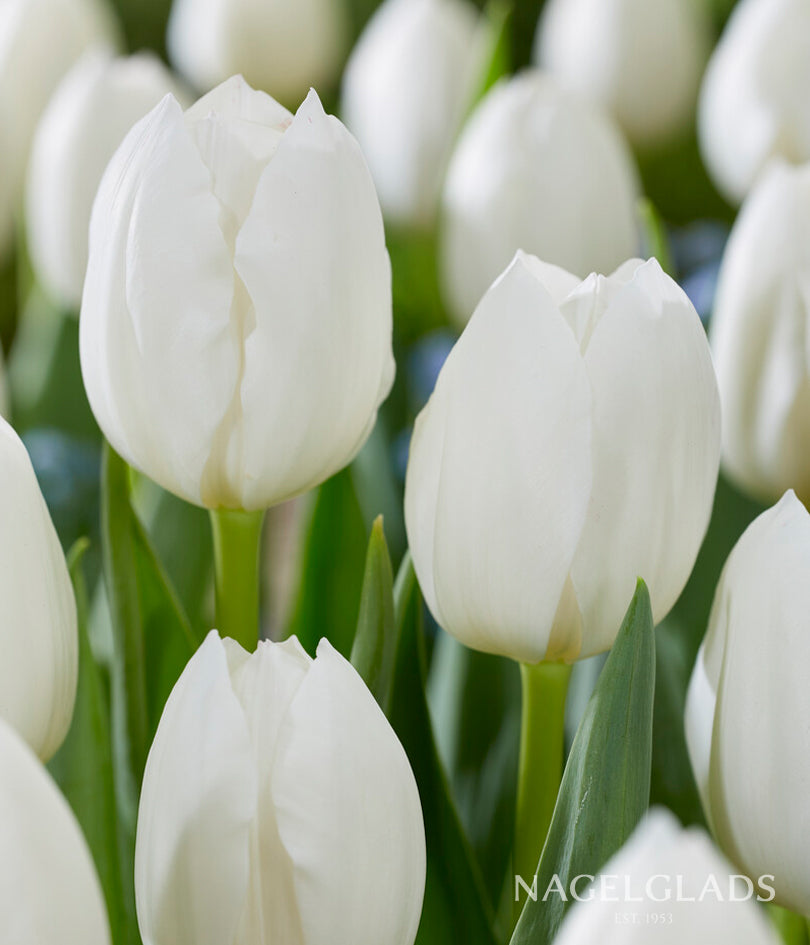
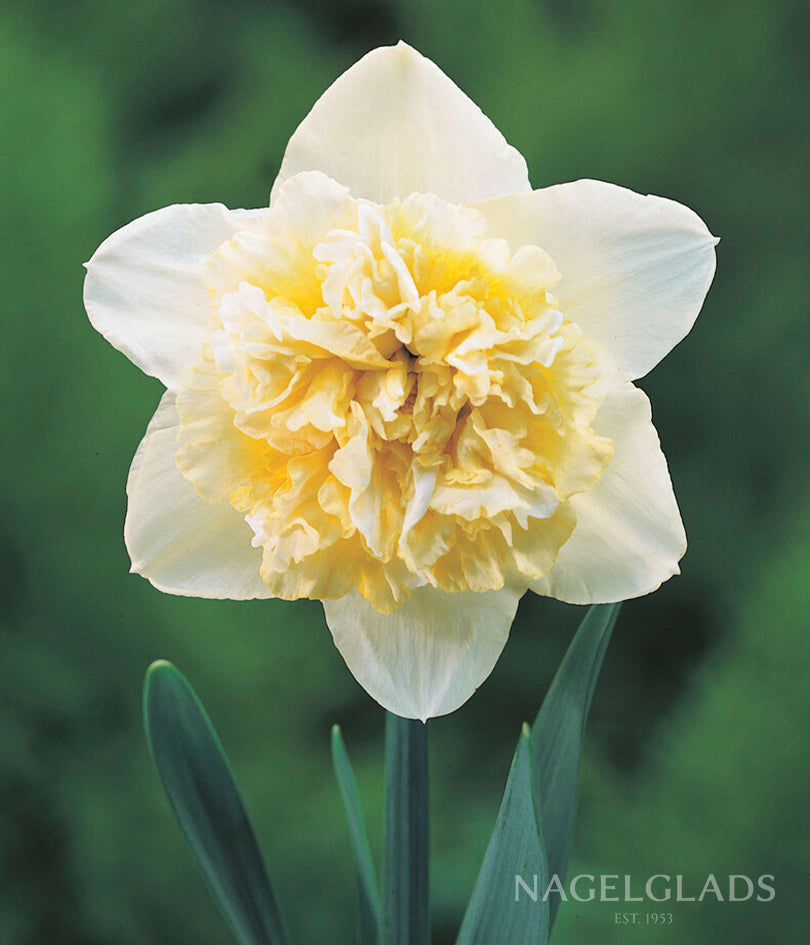
Spring flowering bulbs are adapted to complete much of their growth in cool conditions. Root systems establish in Fall and continue functioning whenever soil remains unfrozen. As temperatures rise gradually, stored energy fuels upward growth. This process explains why early Tulips and Hyacinths often emerge before many gardeners expect them to. Cool soil supports steady development rather than rapid, fragile growth.
Cool-Season Seeds Also Respond to Soil Temperature
Early spring soil temperatures influence seed performance just as much as bulbs. Certain annual flower seeds germinate best in cool soil and tolerate light frost once established. These plants take advantage of early moisture and steady temperatures before heat builds. Direct sowing during late winter or early spring supports strong root development. Timing seed sowing to soil conditions often leads to sturdier plants later in the season.
Ideal Soil Temperature Ranges for Early Blooms

Most Spring bulbs begin active growth when soil temperatures reach the low to mid 40s Fahrenheit. At this range, roots absorb moisture efficiently without stress. Soil that warms too quickly can shorten bloom duration. Consistently cool soil helps flowers hold their shape and color longer. This is one reason early spring blooms often appear more uniform than later plantings.
Drainage and Temperature Work Together
Soil temperature and drainage are closely linked. Cold, waterlogged soil slows root activity and increases the risk of rot. Well-drained soil warms more evenly and supports oxygen exchange. Raised beds and amended garden areas often show earlier growth for this reason. Managing drainage improves temperature stability below the surface.
Mulch and Its Effect on Early Growth
Mulch can either support or delay early blooms depending on how it is used. A light layer applied in Fall helps moderate winter soil temperatures. Heavy mulch left in place too long during spring can slow warming. Pulling mulch back slightly as temperatures rise allows soil to respond naturally. This adjustment helps bulbs transition smoothly into active growth.
Containers Warm Faster Than In-Ground Plantings
Container plantings experience soil temperature changes more quickly than garden beds. Sun exposure and air temperature affect pots directly. This can lead to earlier emergence but also faster drying. Monitoring moisture becomes more important when soil warms rapidly. Containers benefit from shelter during sudden cold snaps to prevent stress.

Early Soil Awareness Helps Guide Spring Planning
Observing soil conditions in late winter offers valuable insight for the rest of the season. Areas that warm evenly often support earlier and more consistent blooms. Spots that remain cold and damp may need improved drainage or adjusted planting choices. Early bulb performance becomes a useful indicator. Gardeners can apply these observations to future plantings.
Seeds That Benefit From Early Soil Conditions
Several cool-season flower seeds perform reliably when planted as soil begins to warm. Larkspur White King Flower Seeds, Sweet Rocket Mixed Flower Seeds, and Poppy Iceland Mix Flower Seeds germinate well in cooler conditions. These varieties prefer gradual warming rather than rapid heat. Early planting allows them to establish before summer stress arrives. Soil temperature consistency plays a major role in their success. Calendula and Snapdragons also tolerate cooler soil and early planting windows, making them useful companions to early bulb displays.
5 Ways to Support Healthy Early Blooming
- Focus on soil warmth rather than short-term air temperatures
- Improve drainage to support steady root activity
- Use mulch lightly and adjust it as spring approaches
- Choose tulip varieties suited to cool soil conditions
- Monitor containers closely as they warm faster than beds
Strong Roots Set the Pace for the Season
Early bloom success begins underground long before flowers appear. Soil temperature governs root health, moisture uptake, and bloom longevity. Paying attention to these conditions leads to more predictable results. Early spring bulbs reward patience and preparation rather than speed. When soil and timing align, the season unfolds smoothly.