Log in




A Gentle Close to a Full Season
There is a particular calm that settles over the garden in late October. The last Dahlias have given their final blooms. The Gladiolus spikes that were so tall and bright in July are now yellowed foliage waiting to be cleared. The beds look tired in the best possible way, the way a room looks after a good party, full of evidence that something wonderful happened here. This is the moment to care for the garden one more time before Winter arrives. The tasks are straightforward, the pace is unhurried, and the work you do this weekend is the foundation for everything the garden will produce next Spring and Summer. There is no rush. The season is closing gently, and the garden deserves the same kind of attention now that it received when everything was in bloom.
Lifting and Storing Gladiolus Corms
In zones 7 and colder, Gladiolus corms need to be lifted from the ground before the soil freezes to survive the Winter. The ideal timing is after the first light frost has touched the foliage and the leaves have begun to yellow, but before the first hard freeze sends temperatures below 28°F for several hours. Waiting for the foliage to yellow naturally is important because the leaves are still sending stored energy down into the corm even after blooming has finished, and that energy is what produces next year's flowers.
To lift corms, use a garden fork inserted about six inches from the base of the plant and gently pry upward to loosen the soil without damaging the corm. Shake off excess soil and trim the foliage to about one inch above the top of the corm. You will notice that beneath the fresh, firm corm a shriveled, dark disc is attached at the base. This is the original mother corm you planted in Spring, and it has spent all its stored energy producing the new growth above it. Gently remove and discard this spent corm once it has dried.
Cure the freshly lifted corms by spreading them in a single layer in a warm, dry, well-ventilated spot at roughly 60 to 75 degrees for two to three weeks. An unheated garage, a shed, or a utility room works well for this. Once the outer husks feel papery and dry, transfer the corms to breathable storage. Paper bags, mesh bags, or wooden crates with good air circulation all work. Store in a cool, dark location at 35 to 45 degrees through the Winter. An unheated basement, a cold garage, or a root cellar is ideal. Check stored corms once a month and discard any that feel soft or show signs of rot. Come Spring, these corms will be ready to go back in the ground for another full season of bloom.
In warmer regions, zones 8 and above, Gladiolus corms can often be left in the ground over Winter with a layer of mulch for insulation. Gardeners in borderline zones may choose to mulch heavily and take their chances, or lift and store as insurance. Either approach is reasonable depending on how cold your Winters typically run.

Lifting and Storing Dahlia Tubers
Dahlias follow a similar lifting schedule but with slightly different handling. Wait until the first killing frost has blackened the foliage, then cut the stems back to four to six inches above ground level. Using a garden fork, carefully dig around the entire perimeter of the plant at least twelve inches from the stem to avoid damaging the tuber clump beneath. Dahlia tubers are more fragile than Gladiolus corms and can snap apart easily when the soil around them is still cold and firm, so working gently and patiently is worth the extra few minutes.
Once lifted, gently brush off excess soil and allow the clumps to dry in a sheltered location for a day or two. Unlike Gladiolus, Dahlia tubers should not be allowed to dry completely during storage. Pack the tubers in slightly damp peat moss, vermiculite, or sawdust in a box or container with some ventilation, and store in a cool, dark location at roughly 40 to 50 degrees. Check monthly through the Winter and mist lightly if the packing material feels completely dry. Tubers that have shriveled significantly or feel spongy should be removed.
Dahlia clumps can be divided in Spring before replanting rather than in Fall. Each division needs at least one visible growing eye at the point where the tuber meets the stem to produce a new plant. Dividing in Spring when the eyes are swelling and easier to identify gives the best results and the best chance of each division producing a strong plant.
Cleaning Up Summer Beds
Once the Summer flowering plants have been lifted or have finished naturally, clearing the remaining spent foliage, dead stems, and fallen leaves from the beds is one of the most useful things you can do for the health of the garden heading into Winter. Old plant material left on the soil surface through Winter can harbor fungal spores, insect eggs, and disease organisms that become a problem the following Spring. Removing this material and composting it, or discarding it if any disease was present during the season, gives the beds a clean start when planting resumes.
This is also a good moment to top-dress beds with a layer of compost or well-aged organic matter. A two to three inch layer worked lightly into the surface of the soil improves structure and fertility over the Winter months as it continues to break down, and it means the beds are already amended and ready when Spring planting time arrives rather than needing preparation under time pressure.

Mulching New Fall Bulb Plantings
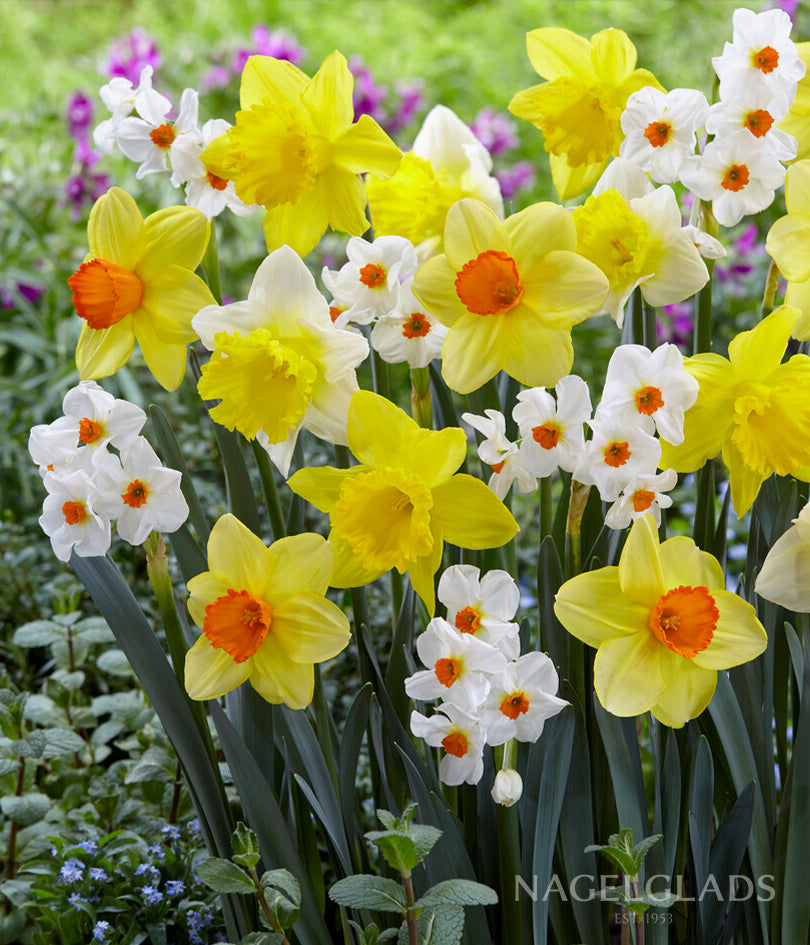
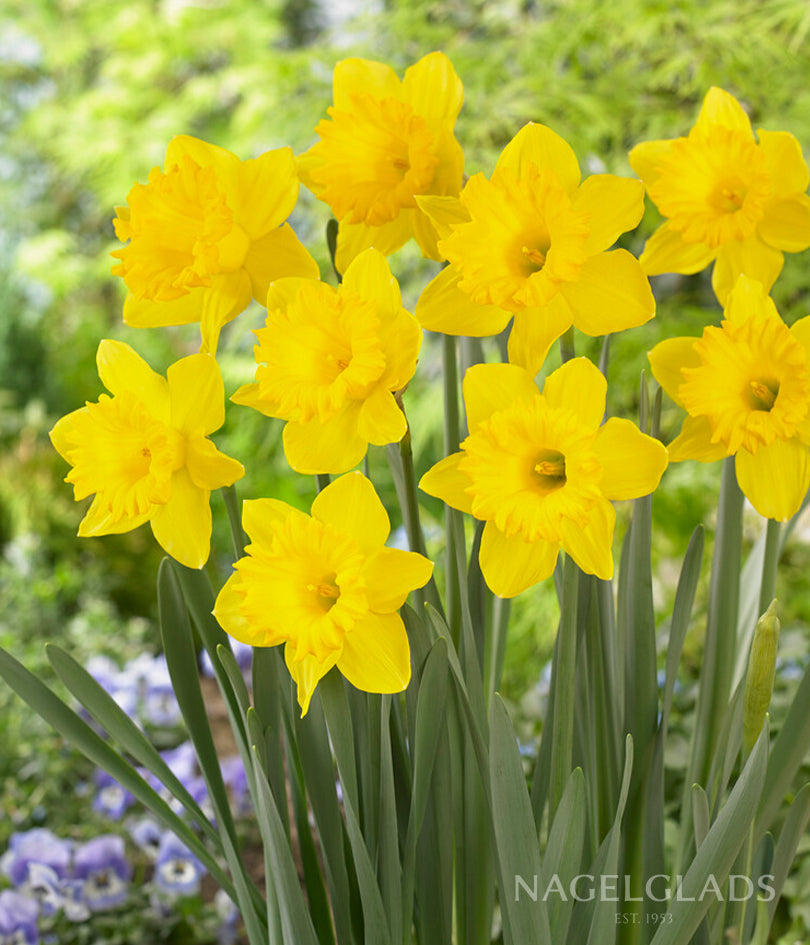
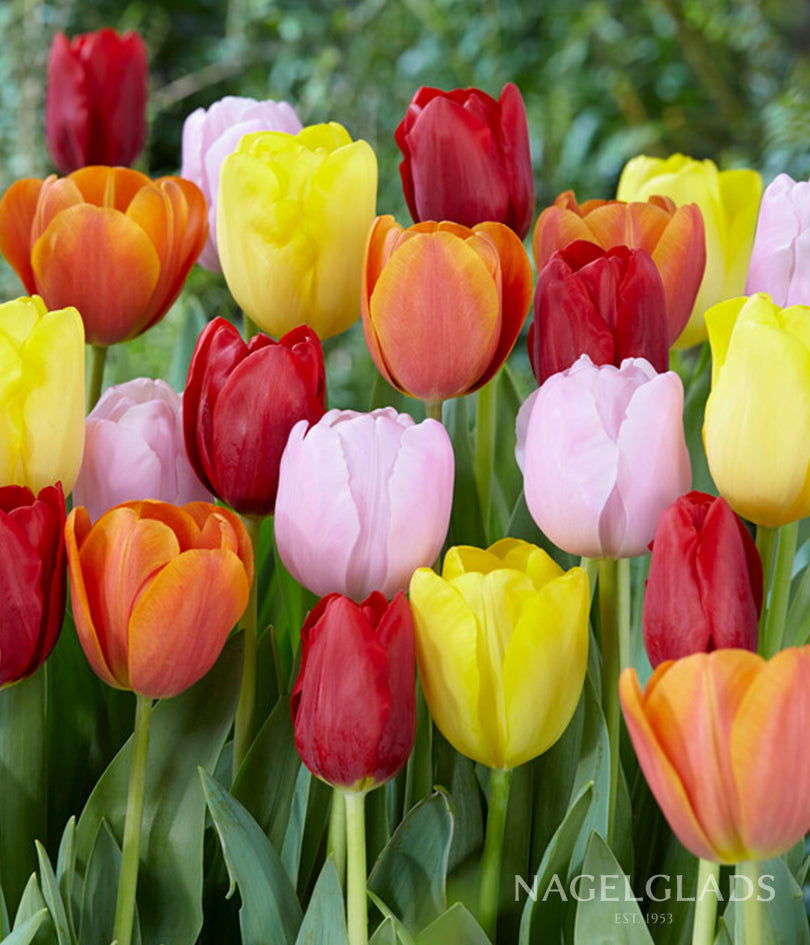
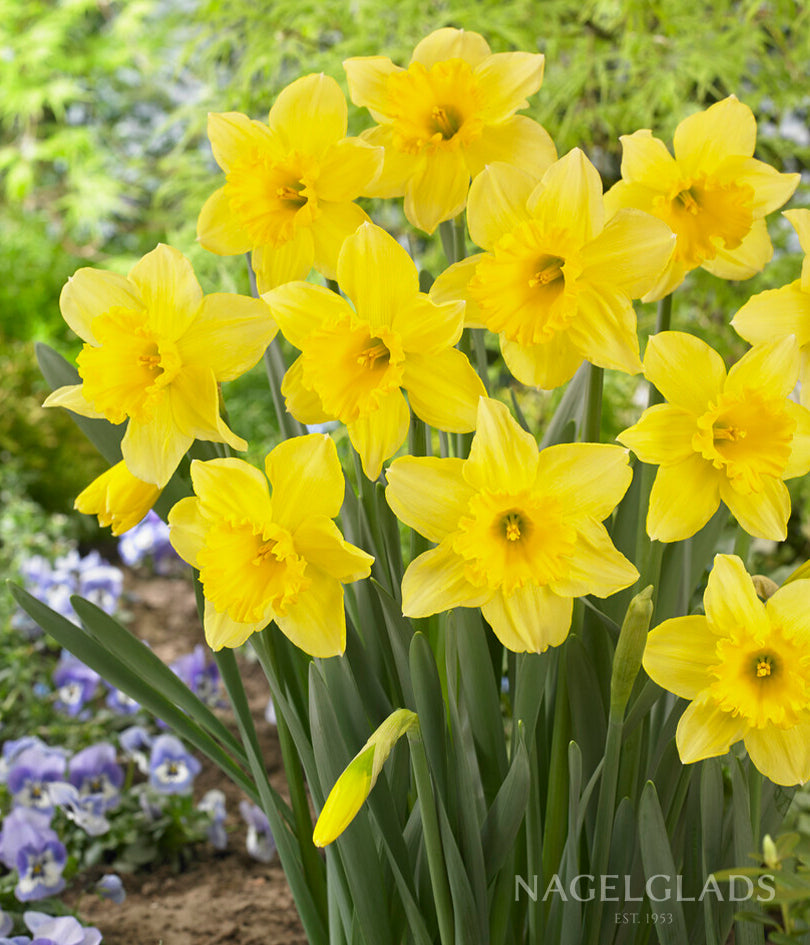
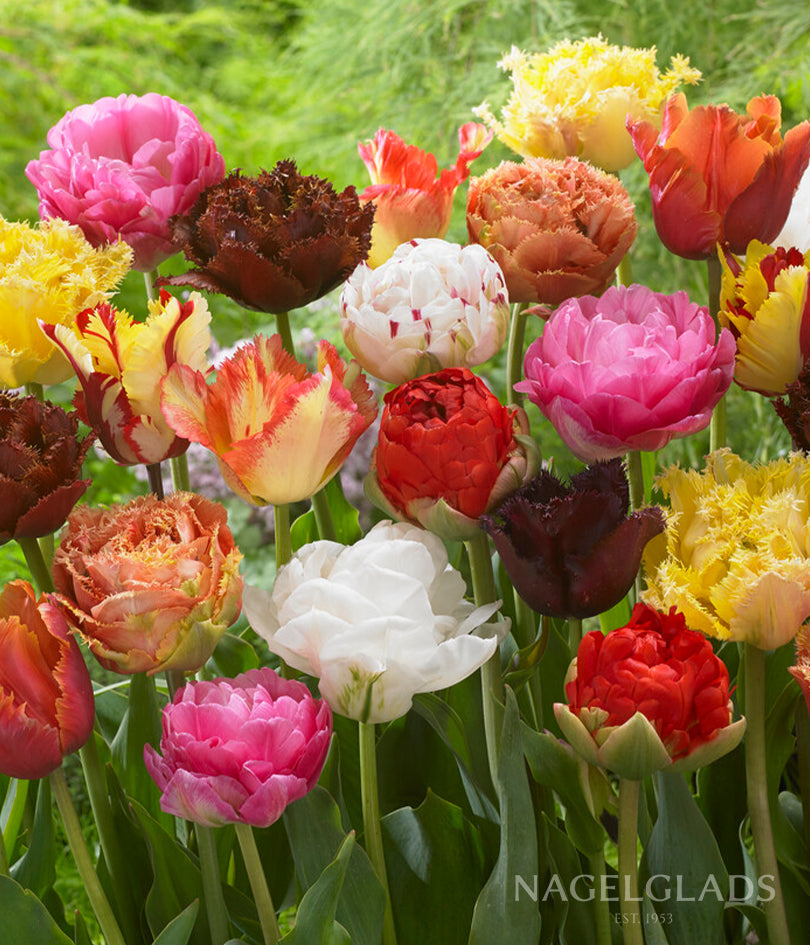
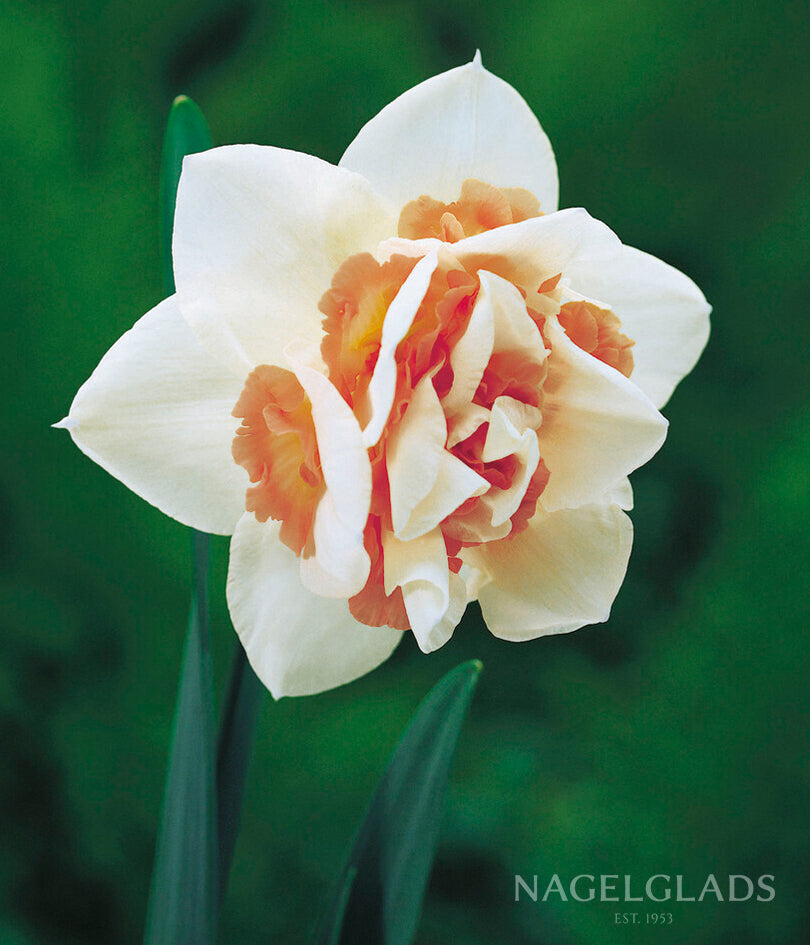
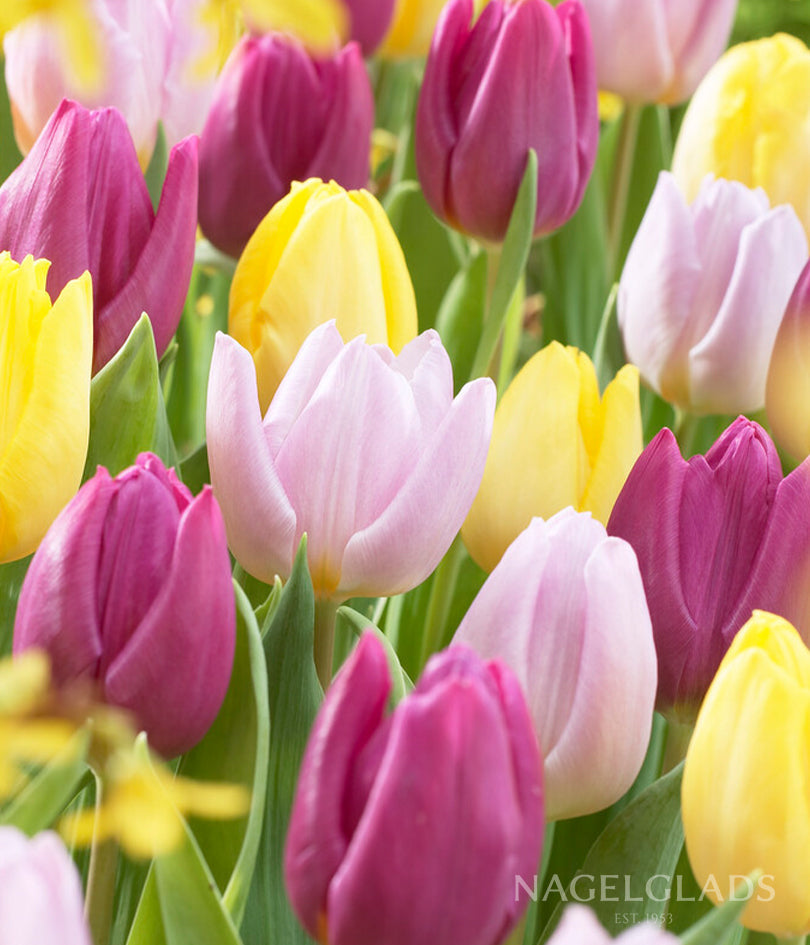
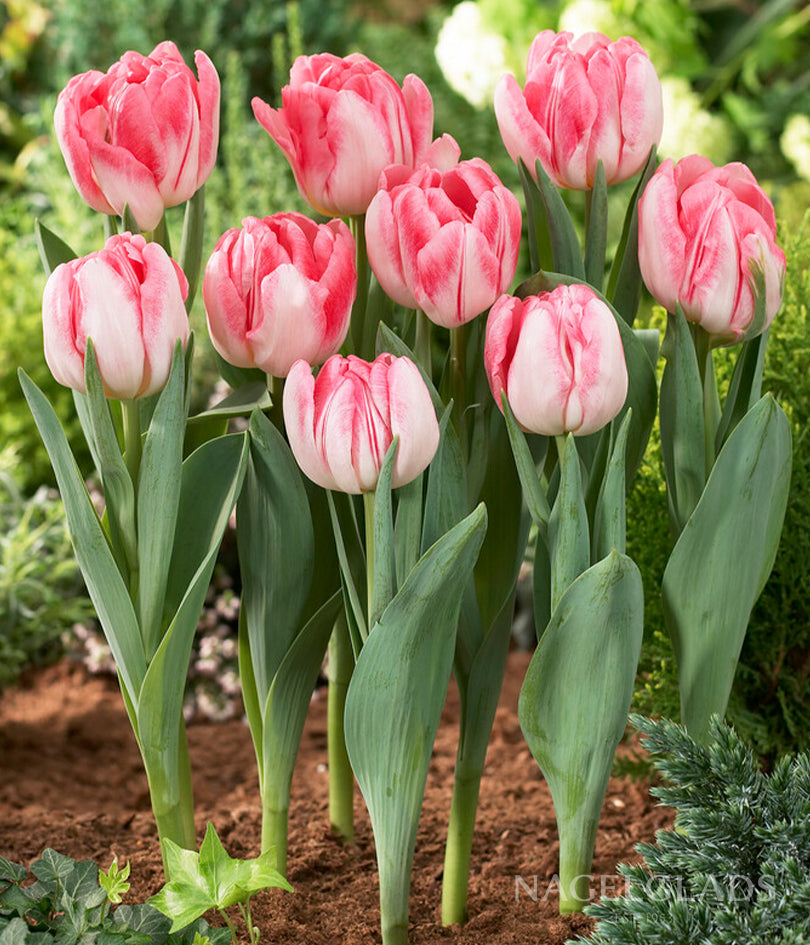
If you planted Tulips, Daffodils, Allium, Hyacinth, Ranunculus, or Bearded Iris earlier in October, applying a layer of mulch over those plantings now provides important protection through the Winter months ahead. Two to three inches of shredded leaves, bark mulch, or straw moderates soil temperature and reduces the freeze-thaw cycling that can heave shallowly planted bulbs out of the ground. Mulch also retains soil moisture during dry Winter periods and suppresses early weed growth in Spring, giving emerging bulb shoots a clean and uncompeted start.
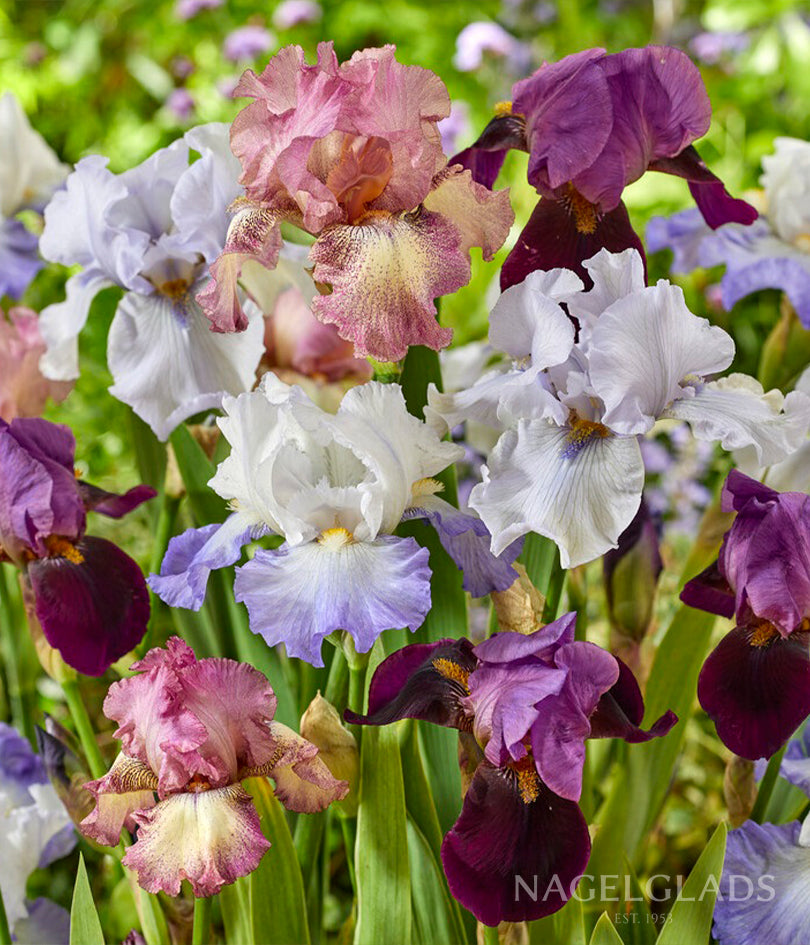
Remember that Bearded Iris rhizomes should not be heavily mulched directly on top of the rhizome itself, as they need some air circulation and sun exposure even during dormancy. A light layer around the planting area without smothering the rhizome is the right approach for Iris.
Taking Notes for Next Year
Before the garden goes fully dormant and the details of the season begin to fade, spend a few minutes recording anything you want to remember for next year's planning. Which Gladiolus varieties produced the strongest stems and the best color? Which Dahlia varieties were the most prolific, and which ones disappointed? Were there sections of the bed that stayed too wet or too dry through the season? Did any particular variety pairings surprise you with how well they worked together?
These observations, written down now while the season is still fresh, are genuinely more valuable than any catalog description or blog recommendation when it comes to making next year's garden better than this one. A simple notebook with a few pages of late October notes becomes one of the most useful tools you own by the time February arrives and the Spring catalogs start calling again.
Winterizing Tools and Supplies
The garden itself is not the only thing that benefits from end-of-season care. Cleaning, sharpening, and oiling hand tools before storing them for the Winter extends their life significantly and means they are ready to use the moment Spring arrives rather than needing maintenance under pressure. Drain and coil hoses before the first hard freeze to prevent cracking. Empty and store leftover fertilizer and soil amendments in a dry location where they will not freeze or absorb moisture. These small tasks take very little time in October and save a surprising amount of frustration in March.

Top 5 End-of-Season Tasks for a Beautiful Spring
- Lift and cure Gladiolus corms after the first light frost and store at 35 to 45 degrees through Winter
- Lift Dahlia tubers after the first killing frost and store in slightly damp packing material at 40 to 50 degrees
- Clear spent Summer foliage from beds and top-dress with compost before Winter
- Mulch Fall bulb plantings with two to three inches of organic material to protect against freeze-thaw cycling
- Record end-of-season observations in a notebook while the details are still fresh
A Season Worth Remembering
Putting the garden to bed in late October is not an ending. It is the quiet closing of one chapter and the beginning of the anticipation that carries through Winter until the first Spring shoots appear. The corms curing in the garage, the Dahlia tubers packed carefully in peat moss, the Fall bulbs resting beneath their blanket of mulch, the notes scribbled in a garden journal on a cool October evening: all of these are the garden continuing in a different form, holding everything this season produced and everything next season promises. If there are any last additions to make to your Fall Planted Bulbs order before the pre-order window closes, now is the moment. And if the garden this Summer left you wanting more Gladiolus or Dahlias next year, browse the Spring planted catalogs that will open in a few months and begin imagining where those corms and tubers will go. The garden never really stops. It just changes pace.