Log in



Armfuls of Spring Flowers Start with a Fall Planting Plan
There is a particular kind of joy in walking through your own garden on a Spring morning with a pair of pruners and a bucket, cutting stems that will fill the house with color and fragrance for the rest of the week. A Spring cutting garden built from Fall-planted bulbs is one of the most satisfying projects a flower gardener can take on, and the planning that makes it work is straightforward once the right varieties and timing are in place. The key difference between planting for a cutting garden and planting for a display garden is quantity and sequence. A cutting garden needs enough stems that you can cut generously without leaving the beds looking sparse, and it needs varieties that bloom across a long enough window to keep fresh material coming for weeks rather than one concentrated flush.
Choosing Varieties for Stem Quality
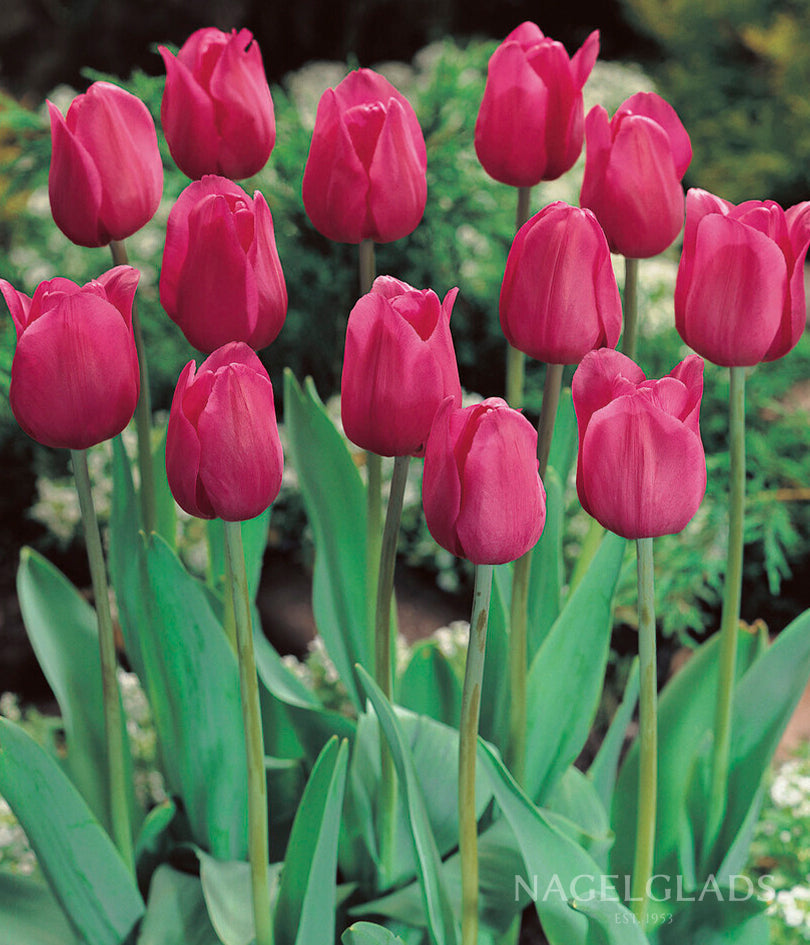
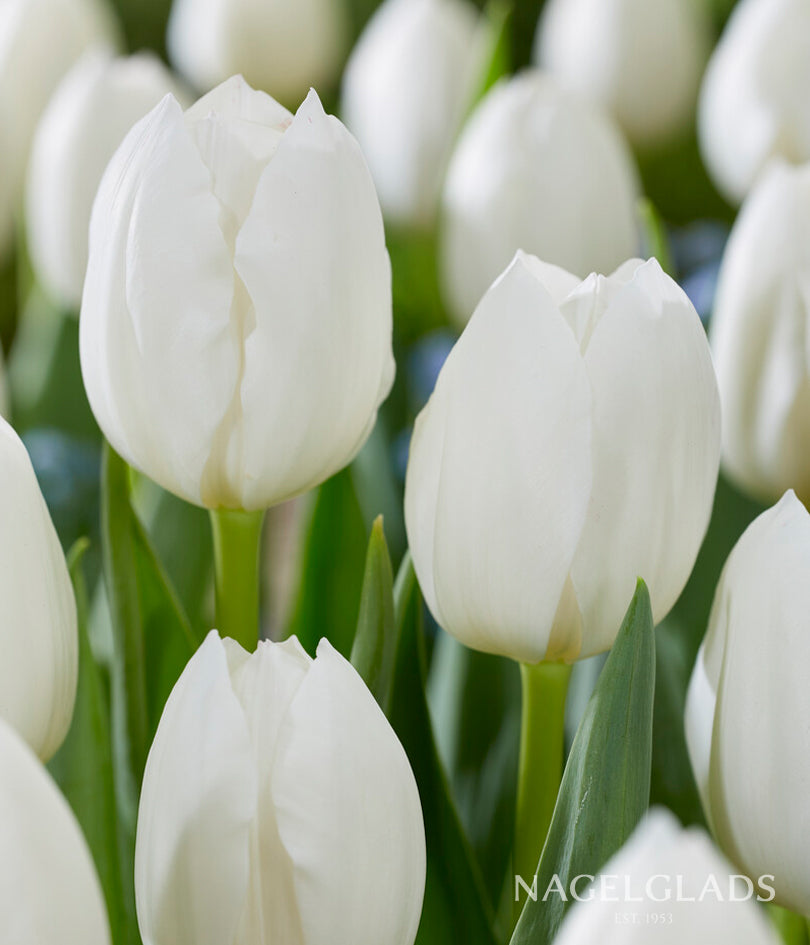
Not every beautiful Spring bulb makes a great cut flower. The varieties that perform best in the vase tend to share a few specific qualities: long, strong stems that hold up without flopping, blooms that continue to develop and open after cutting, and good vase life measured in days rather than hours. Among Tulips, Single Late varieties are widely regarded as the best class for cutting because of their tall stems and the elegant way their blooms continue to open and move in the vase over several days. Catherina Single Late Tulip Flower Bulbs produce refined blooms on long stems that are exceptionally well suited to arrangements and have the late-season timing that extends the cutting window into the final weeks of Tulip season.
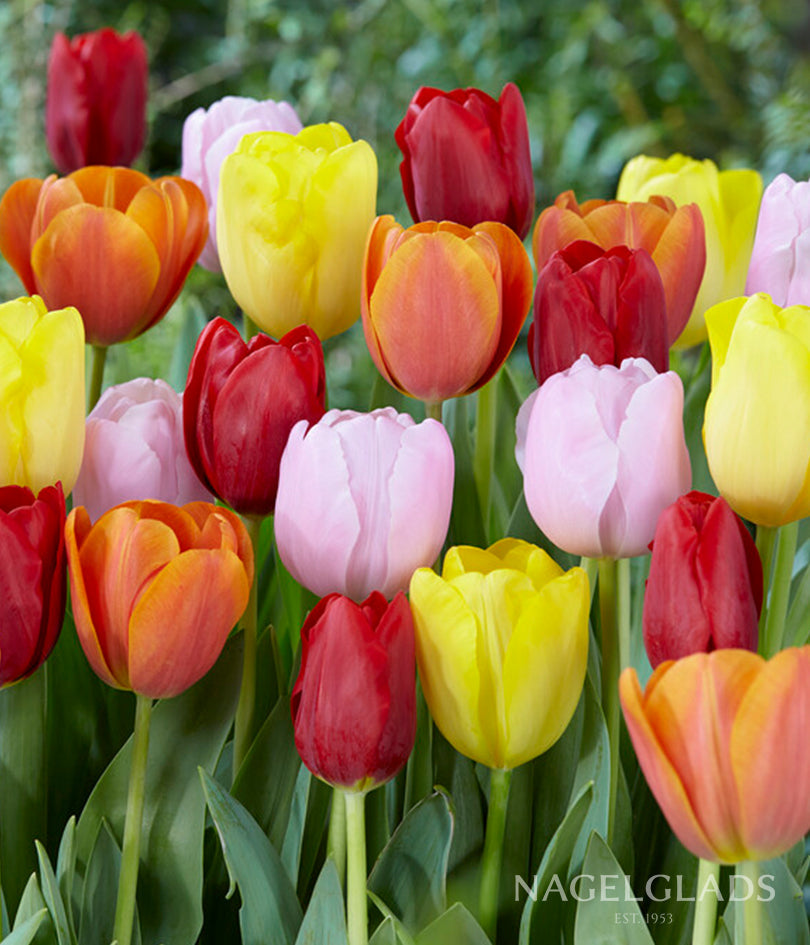
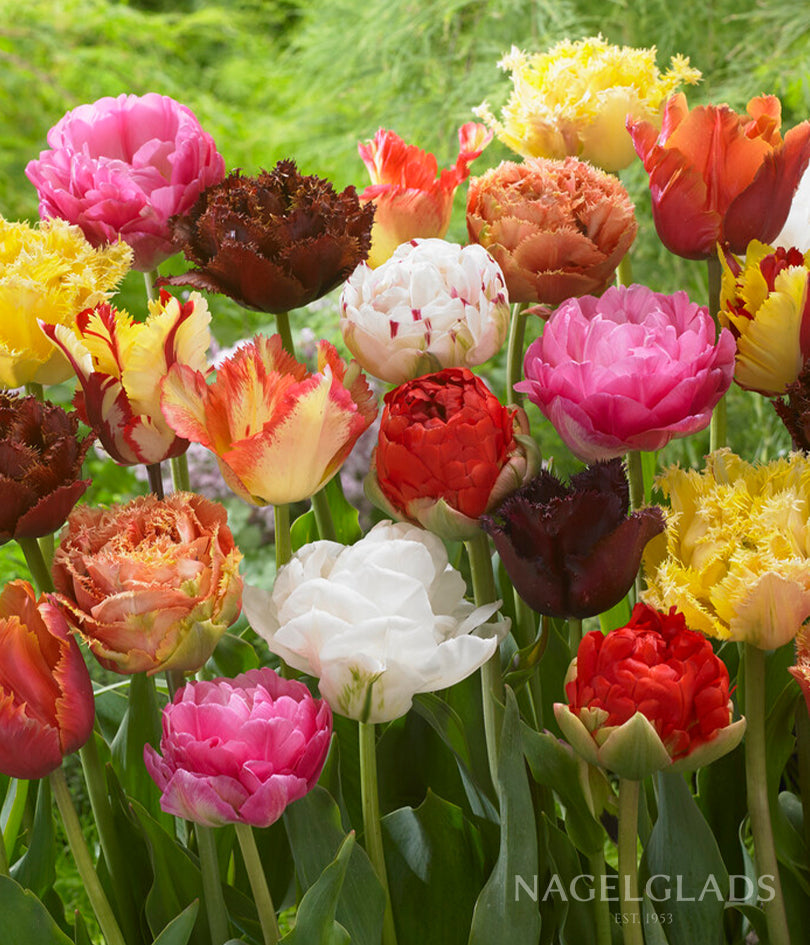
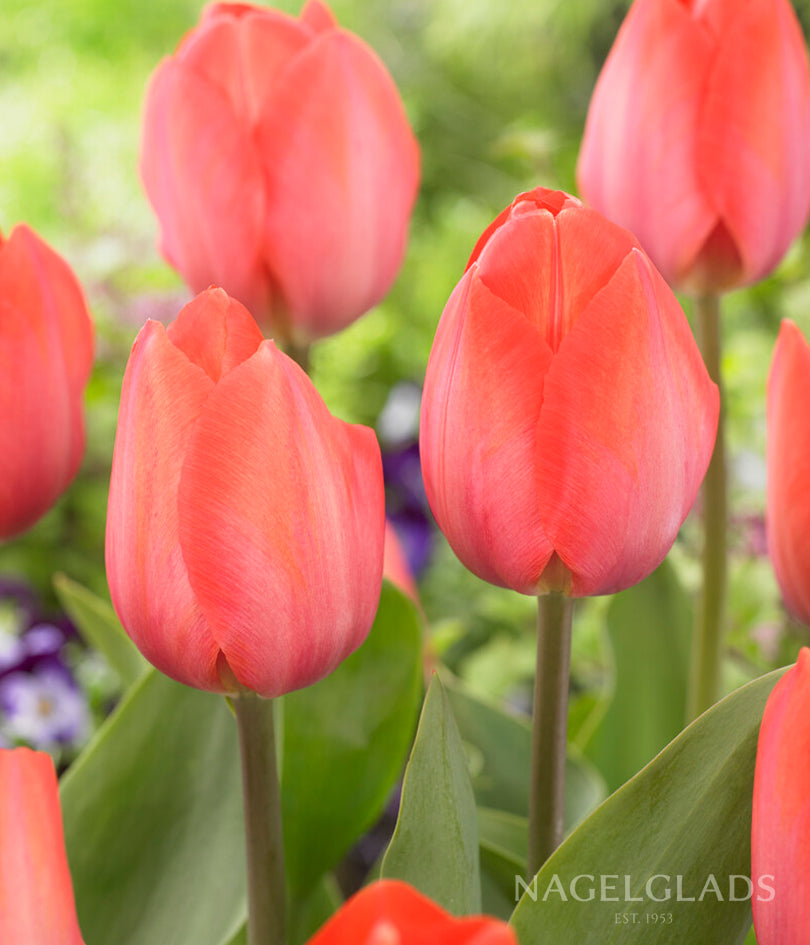
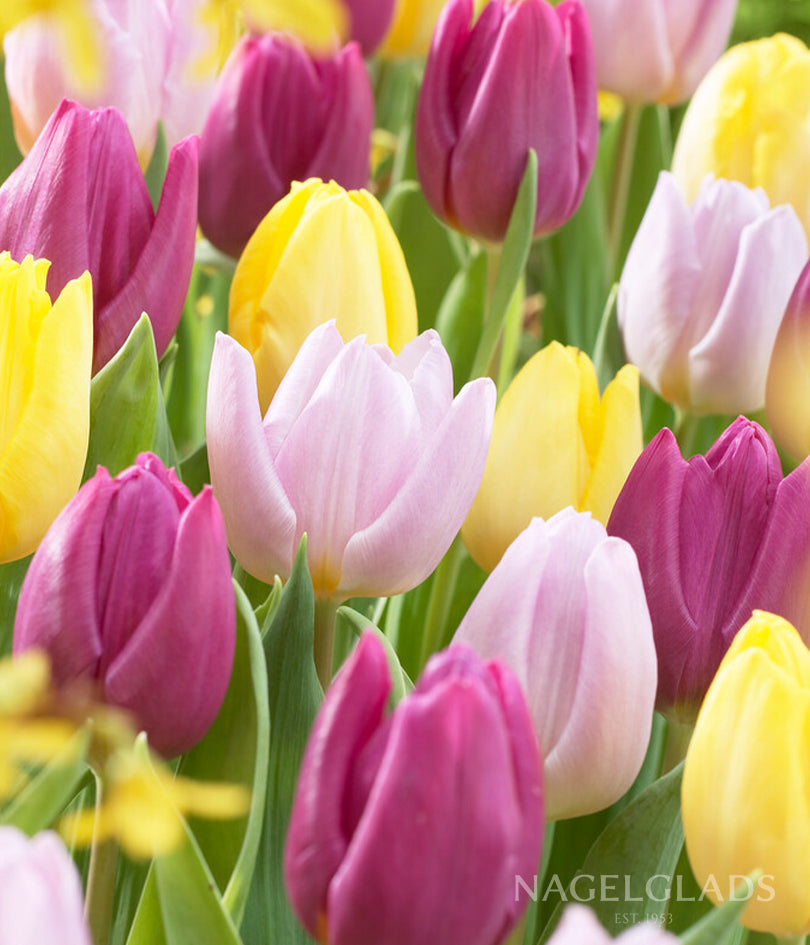
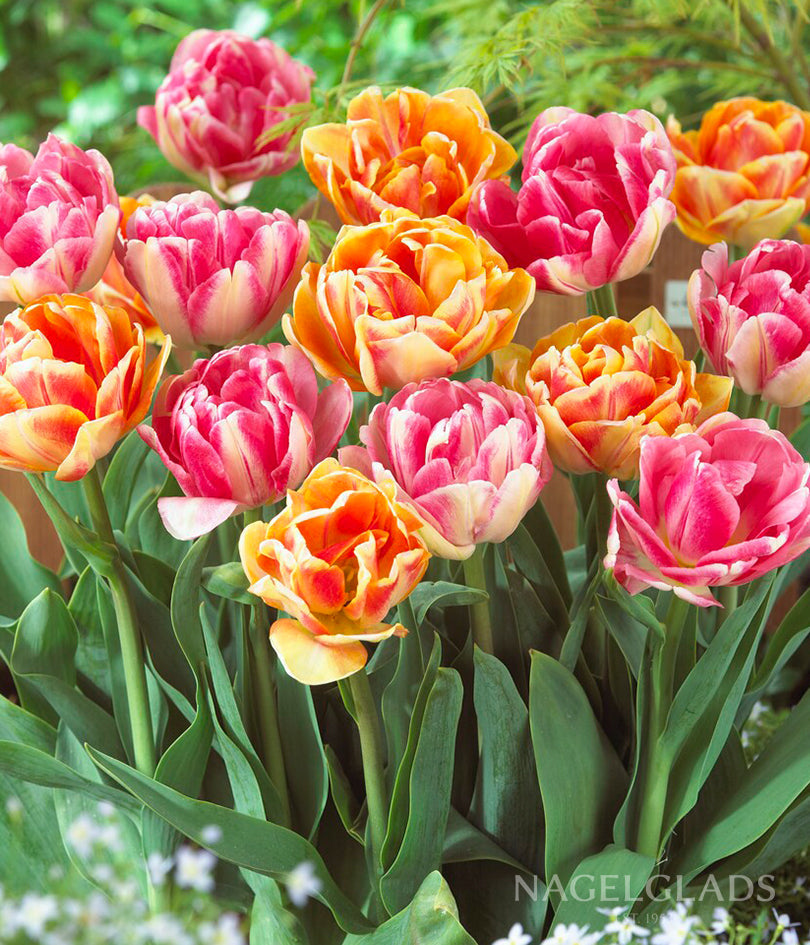
Triumph Tulips are the other strong cutting class, with sturdy stems that resist the bending and curving that some Tulip types are prone to in a vase. Happy Generation Triumph Tulip Flower Bulbs with their white petals marked with bold red flames bring a striking presence to Spring arrangements. Orange Juice Triumph Tulip Flower Bulbs in their warm, clear orange are one of the most reliable warm-toned cutting Tulips in the catalog. Flaming Agrass Triumph Tulip Flower Bulbs offer a beautiful blend of rose-pink and cream-yellow that reads as both bold and sophisticated in an arrangement.

Daffodils for the Vase
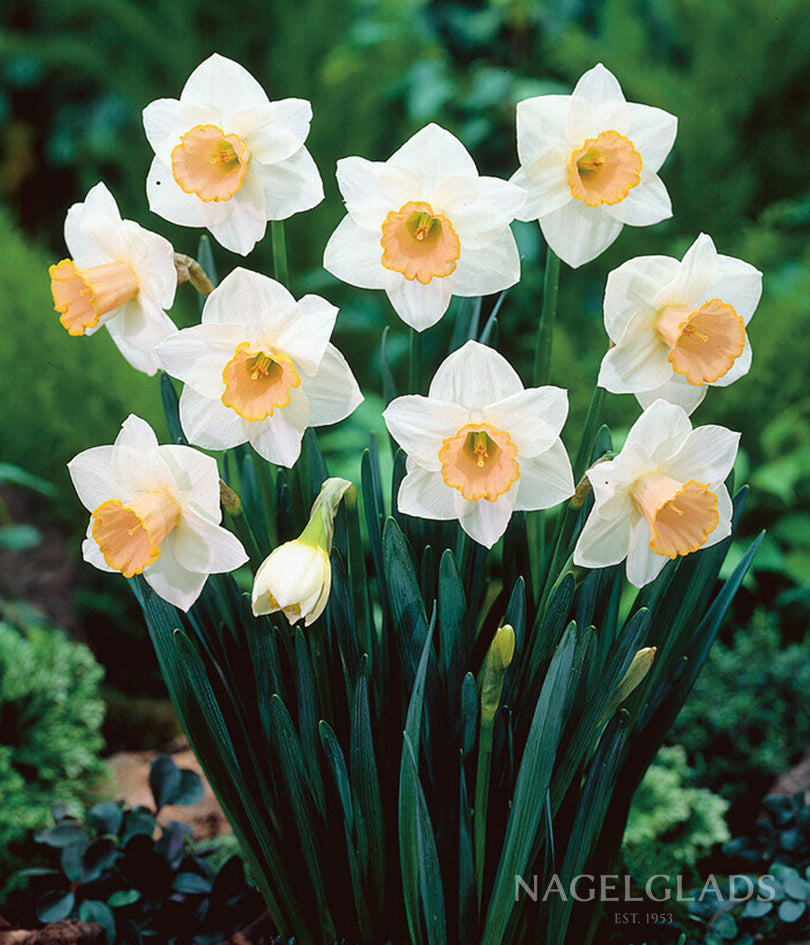
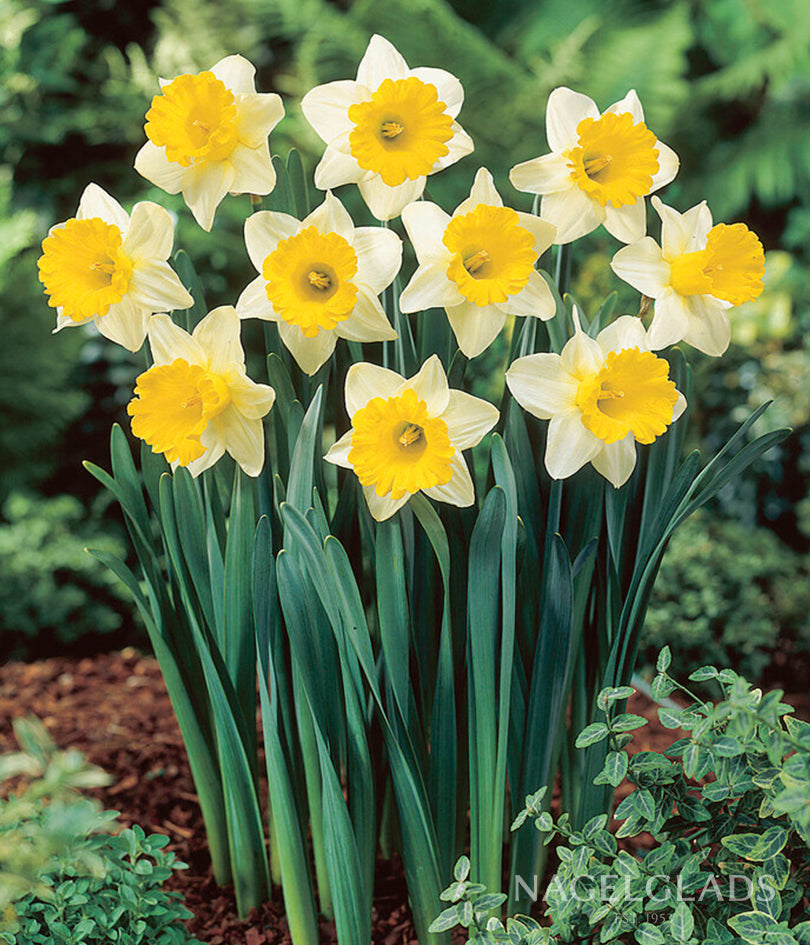
Daffodils are one of the most rewarding Spring bulbs to grow for cutting, with a few important practical considerations worth knowing in advance. Fresh-cut Daffodil stems release a sap that can shorten the vase life of other flowers if they are arranged together immediately. The simple solution is to condition Daffodil stems separately in their own bucket of water for four to six hours after cutting, which allows the sap to fully drain before the stems are combined with other flowers. Once conditioned, Daffodils are perfectly compatible with Tulips, Ranunculus, and every other Spring flower in the same arrangement.
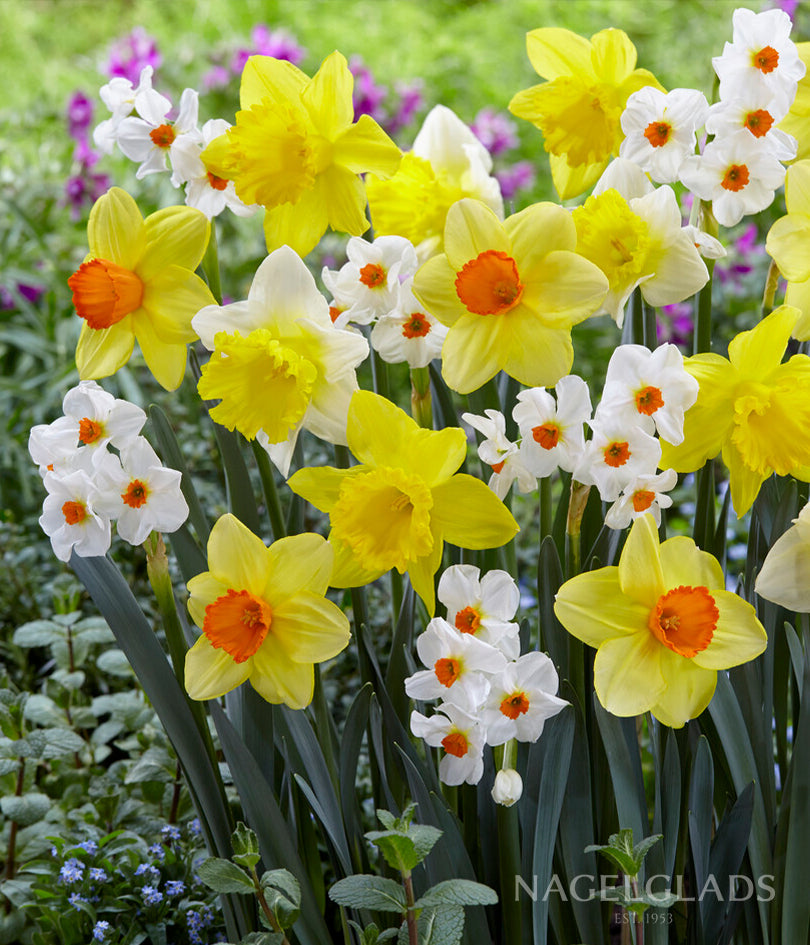
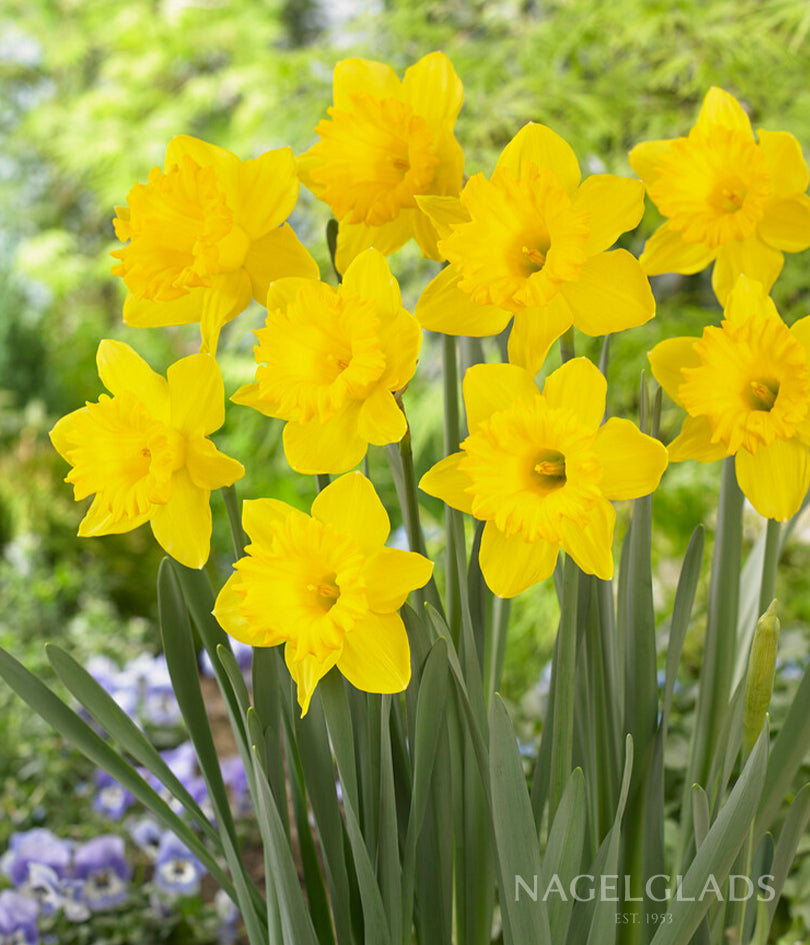
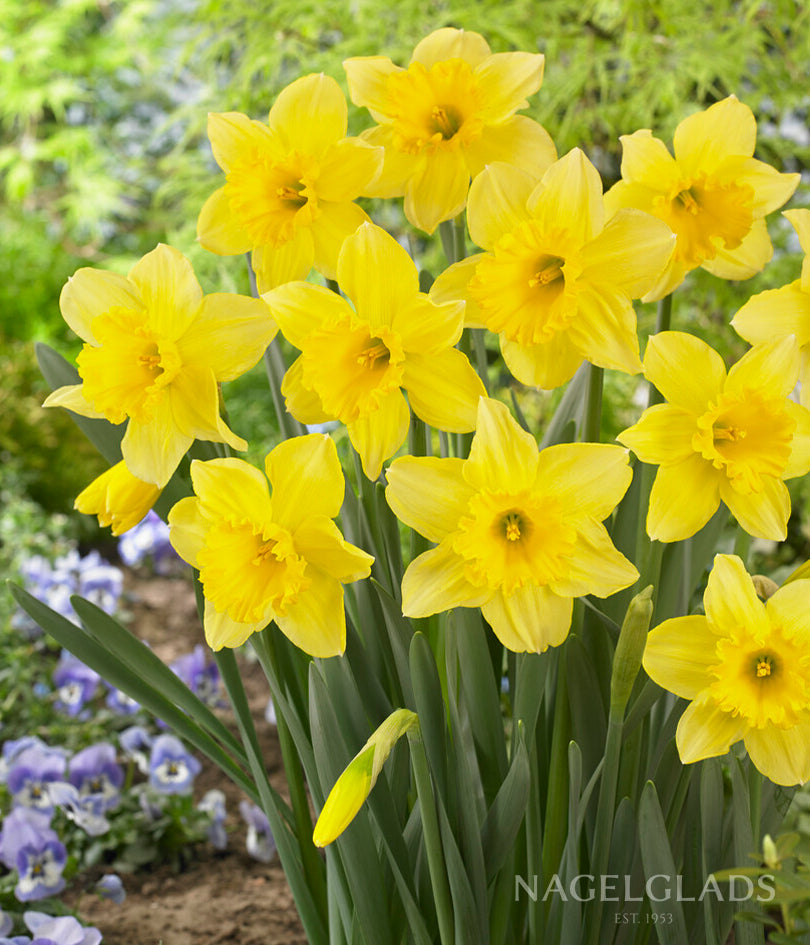
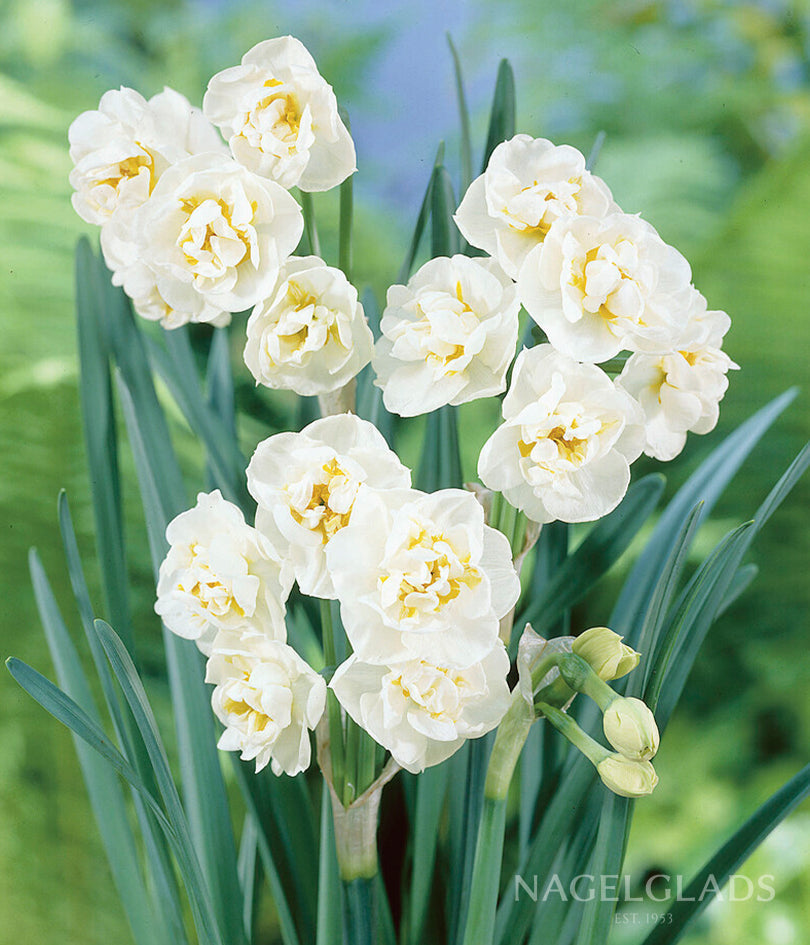
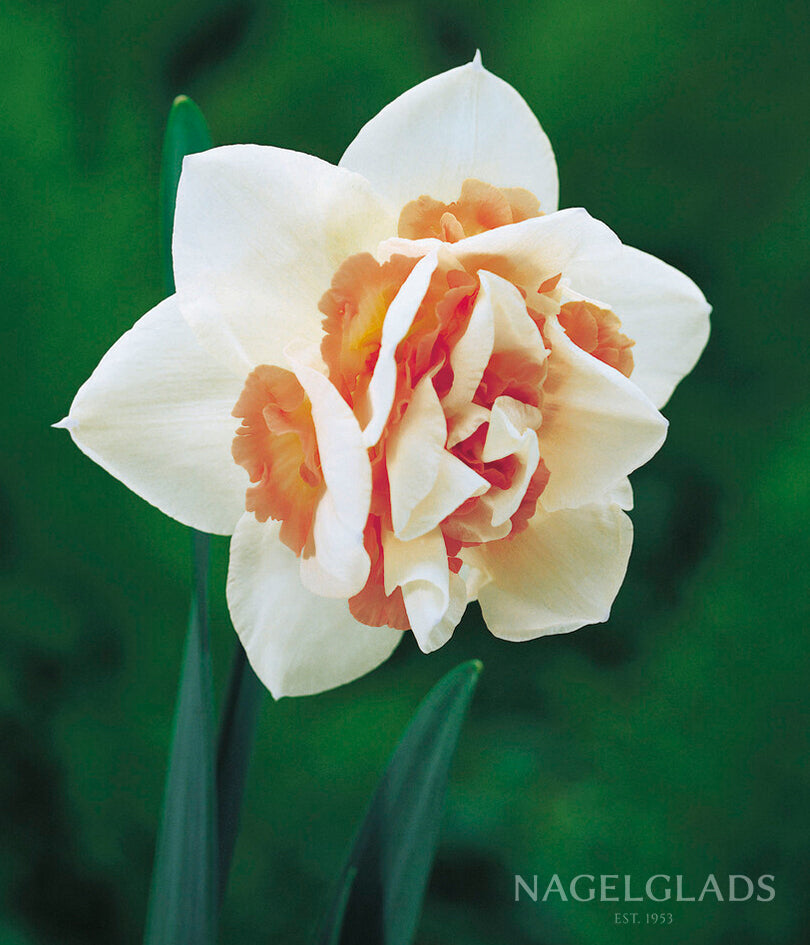
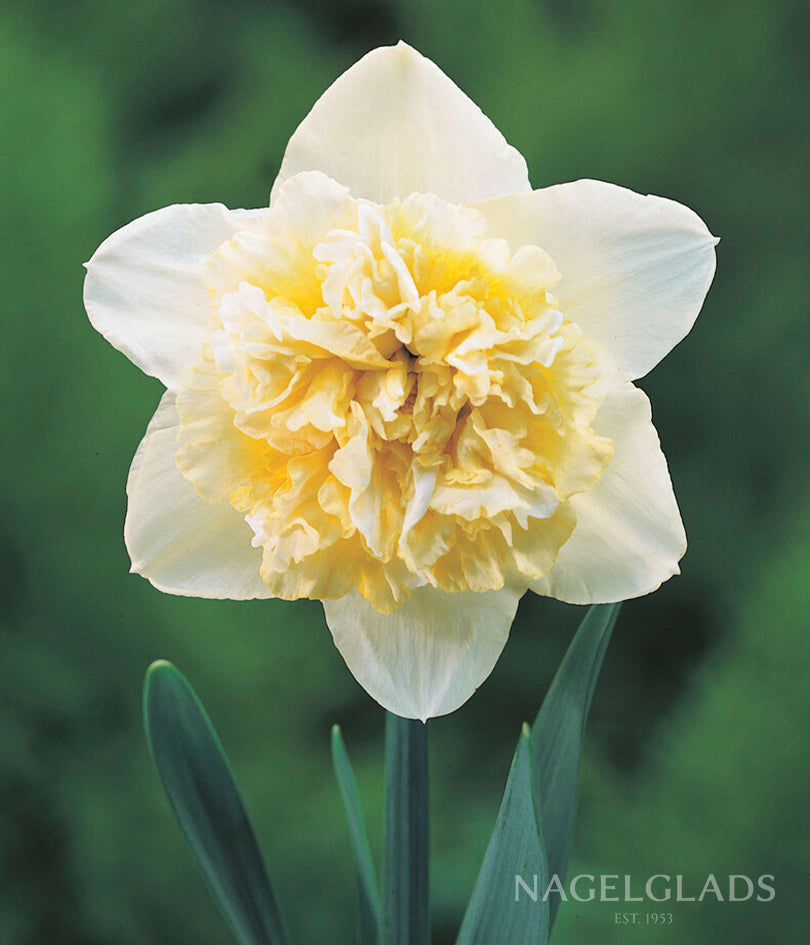
For cutting garden purposes, the varieties with the longest stems and the most reliable vase performance are the best choices. Mount Hood Daffodil Flower Bulbs produce large white blooms on strong stems that hold well for a week or more in the vase. Dutch Master Daffodil Flower Bulbs are the classic golden-yellow Trumpet Daffodil and remain one of the most satisfying Daffodils to cut and arrange in generous quantities. Dick Wilden Daffodil Flower Bulbs bring a full golden-yellow double bloom that adds volume and warmth to mixed arrangements. For something more delicate, Thalia Daffodil Flower Bulbs produce their elegant white Triandrus blooms two to three per stem, and their graceful nodding form adds a romantic, airy quality to smaller arrangements and bedside vases.
Ranunculus: The Spring Cut Flower Everyone Wants
If there is one Spring flower that consistently stops people in their tracks at a farmers market or on a florist's table, it is Ranunculus. The layered, rose-like blooms in their remarkable range of colors have made Ranunculus one of the most sought-after Spring cut flowers in the country, and growing them at home from Fall-planted bulbs puts a flower that would cost several dollars per stem at a shop directly within reach. Rainbow Mixed Ranunculus Flower Bulbs include a full spectrum of warm and cool tones in a single order, and Pastel Ranunculus Flower Bulbs offer a softer, more romantic palette that pairs beautifully with white Tulips and Daffodils. Plant the claw-shaped tubers in Fall with the claws pointing downward, four to six inches apart in well-draining soil, and expect blooms in Spring that will be among the most photographed flowers in your entire garden.
Ranunculus vase life is excellent when stems are cut at the right stage. Harvest when the bud is showing full color but has not yet opened completely, and the bloom will continue to unfurl over several days in the vase, reaching a full, lush size that looks more like a peony than a bulb-grown flower.

Bearded Iris: The Late Spring Statement
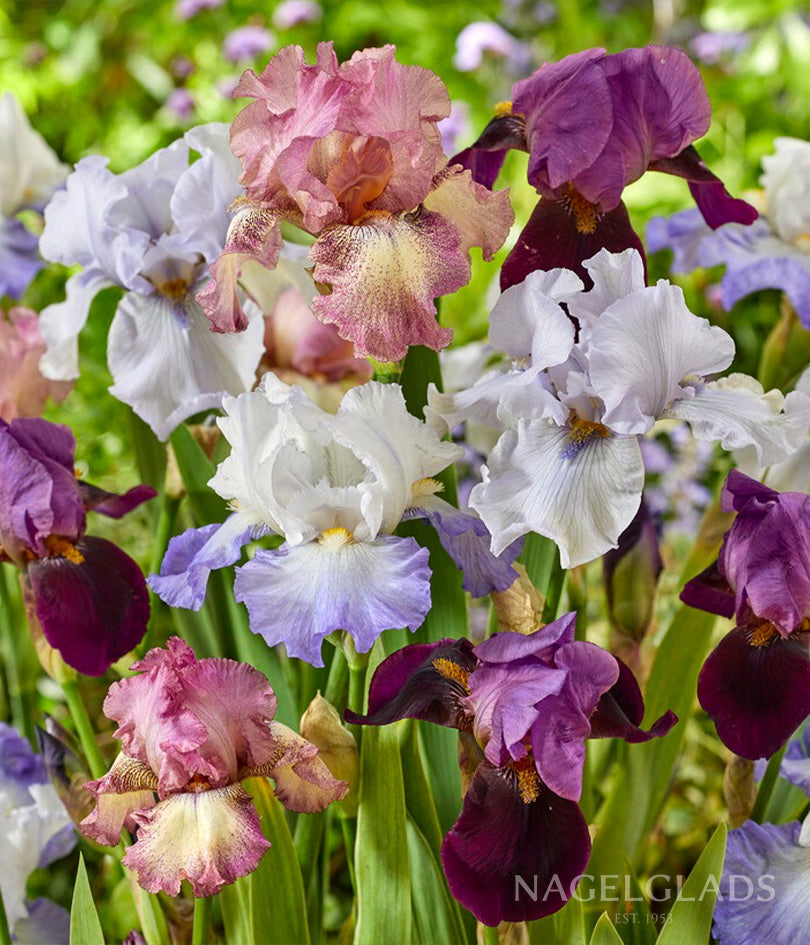
Mixed Bearded Iris Flower Bulbs extend the Spring cutting season into a window that few other bulbs reach, producing their large, intricate blooms just as the last Tulips are finishing. The ruffled, orchid-like form of Bearded Iris adds a completely different character to late Spring arrangements that makes them feel special and seasonal in a way no other flower quite replicates. Each stem produces multiple buds that open in succession, so a single cut stem can last well over a week in the vase with lower blooms opening as upper ones fade. Plant Bearded Iris rhizomes at or just below the soil surface rather than deeply buried, and position them where they will receive full sun for the strongest bloom production.
Allium as a Cut Flower
Allium varieties may not be the first thing that comes to mind for a cutting garden, but their architectural form and exceptional vase life make them genuinely valuable additions. Purple Sensation Allium Flower Bulbs produce large spherical heads of deep violet-purple on tall, straight stems that hold up in an arrangement for well over a week. A few Allium stems in a vase of mixed Spring flowers add a geometric quality that elevates the whole composition and provides a visual contrast to the rounder forms of Tulips, Daffodils, and Ranunculus. Azureum Allium Flower Bulbs bring smaller, starry blue blooms on more delicate stems that work as filler in arrangements the way Gypsophila works in Summer bouquets.
Planning for Continuous Cutting
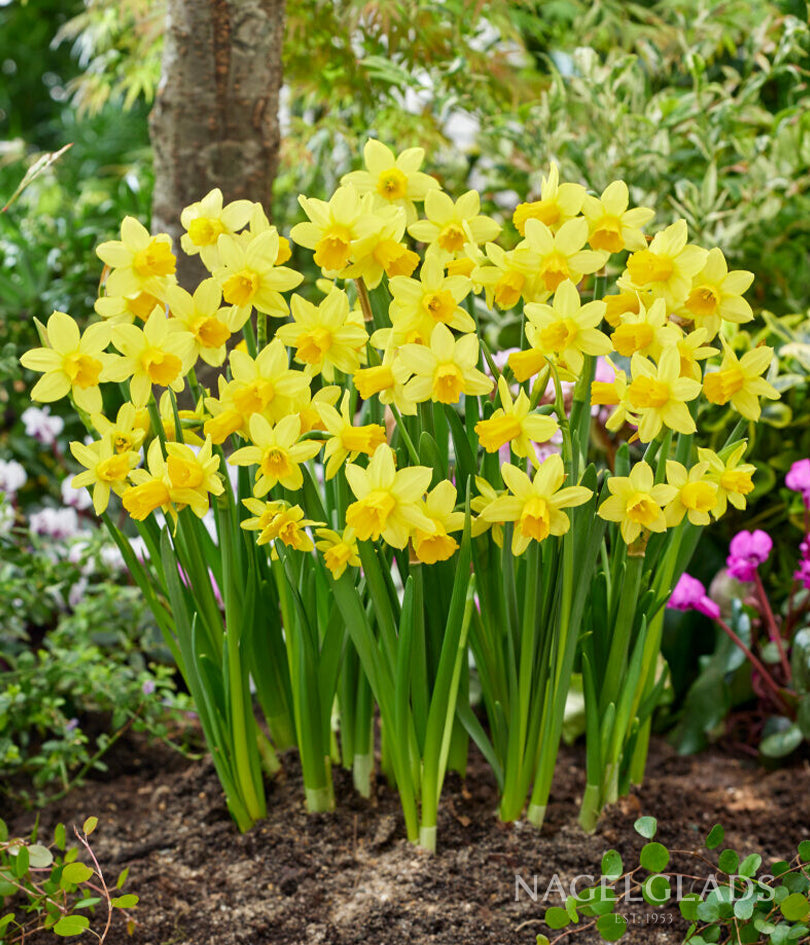
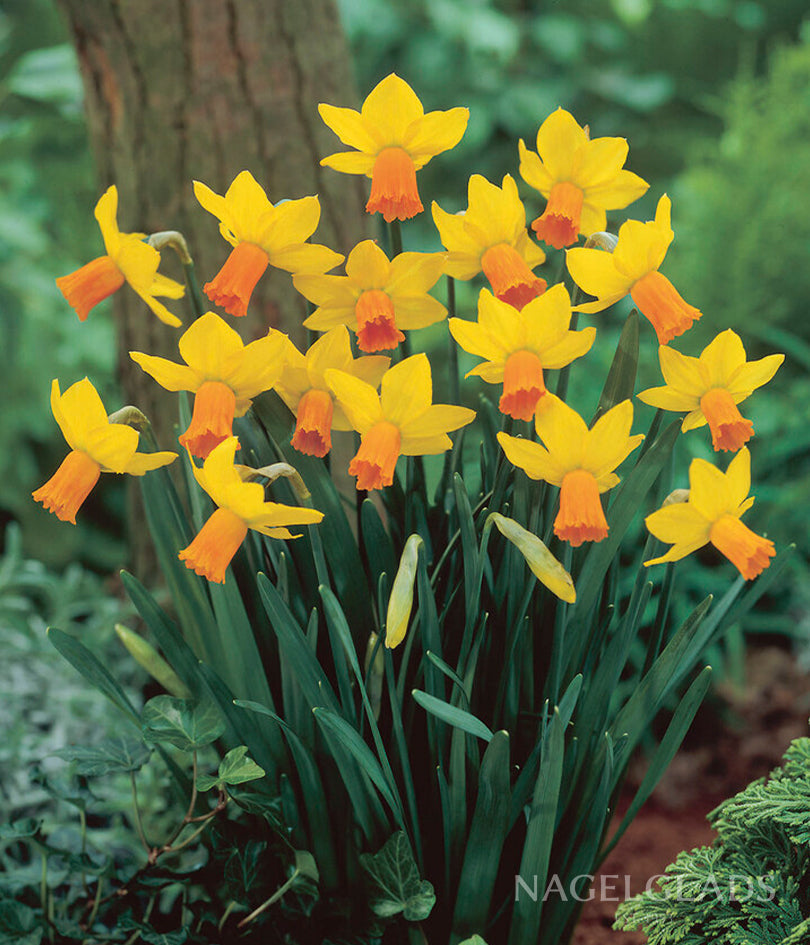
The key to keeping a Spring cutting garden productive across the full season is choosing varieties from different bloom time categories so that fresh stems are available every week rather than everything coming in at once. Early season Cyclamineus Daffodils like Jetfire Daffodil Flower Bulbs and Tete a Tete Daffodil Flower Bulbs open the cutting season. Mid-season Triumph Tulips and Trumpet Daffodils follow within a week or two. Double Daffodils and Ranunculus fill the middle weeks. Single Late Tulips, Bearded Iris, and Allium close out the Spring cutting season at its very end. Planting with this full sequence in mind from the start ensures that the cutting garden produces usable stems for six weeks or more rather than the two to three weeks a single-variety planting would provide.

Planting in Rows for Easy Cutting
While Spring bulbs look beautiful planted in naturalistic drifts and mixed borders, a dedicated cutting garden benefits from a more organized layout that makes harvesting efficient and manageable. Planting in straight rows with consistent spacing allows easy access for cutting without stepping on neighboring plants, and it simplifies the process of tracking which varieties are in which stage of bloom. Tulip and Daffodil bulbs planted four to six inches apart in rows twelve to eighteen inches apart produce a dense planting that maximizes stems per square foot while still allowing adequate air circulation. Labeling each row with the variety name at planting time saves considerable confusion in Spring when multiple varieties are emerging simultaneously and foliage alone is not enough to tell them apart.
Planting Quantities for Generous Cutting
The most common mistake in a cutting garden is not planting enough. A single Tulip bulb produces one stem, and once that stem is cut, the plant is done for the season. A cutting garden that supports weekly Spring arrangements without leaving the beds looking bare typically needs a minimum of fifty bulbs per variety for Tulips, and more if you plan to cut frequently or share flowers with friends and neighbors. Daffodils are slightly more forgiving because established bulbs multiply over time, but first-year plantings should still aim for generous quantities. Ranunculus produce multiple stems per tuber across their bloom period, which means fewer tubers are needed for the same volume of stems. Ordering in bulk from the Nagel Glads Fall catalog, where tiered pricing rewards larger quantities, makes it practical to plant at the scale that a productive cutting garden actually requires.
Top 5 Fall-Planted Bulbs for a Spring Cutting Garden
- Catherina Single Late Tulip Flower Bulbs for long-stemmed late-season Tulips with elegant vase presence
- Rainbow Mixed Ranunculus Flower Bulbs for the most sought-after Spring cut flower in layered, rose-like form
- Mixed Bearded Iris Flower Bulbs for dramatic late Spring blooms that extend the cutting season
- Purple Sensation Allium Flower Bulbs for architectural spheres that add geometry and lasting structure
- Happy Generation Triumph Tulip Flower Bulbs for bold, reliable mid-season stems with striking color
Start Building Your Spring Cutting Garden Now
The Spring cutting garden that fills your house with flowers from March through May starts with a Fall planting plan made right now, while the full selection of varieties is available and the season's best choices have not sold out. Browse the full range of Fall Planted Bulbs and build an order with cutting in mind. Plant generously, choose across bloom times, and look forward to a Spring where the best flowers in the house come from your own garden every single week.