Log in



The Most Common Question Every Fall Bulb Gardener Asks
If you have ever planted Tulip bulbs in October and found empty holes by November, you already know the frustration. Squirrels are among the most persistent garden visitors in the country, and their enthusiasm for digging up freshly planted bulbs can undo an entire afternoon of planting work overnight. Deer present a different challenge, browsing the emerging shoots and flower buds in Spring just as the display is about to reach its peak. Both are solvable problems, and understanding which species are naturally resistant, which are most vulnerable, and what protection methods actually work is one of the most practical things a Fall bulb gardener can learn.
The Good News: Some Bulbs Are Naturally Resistant
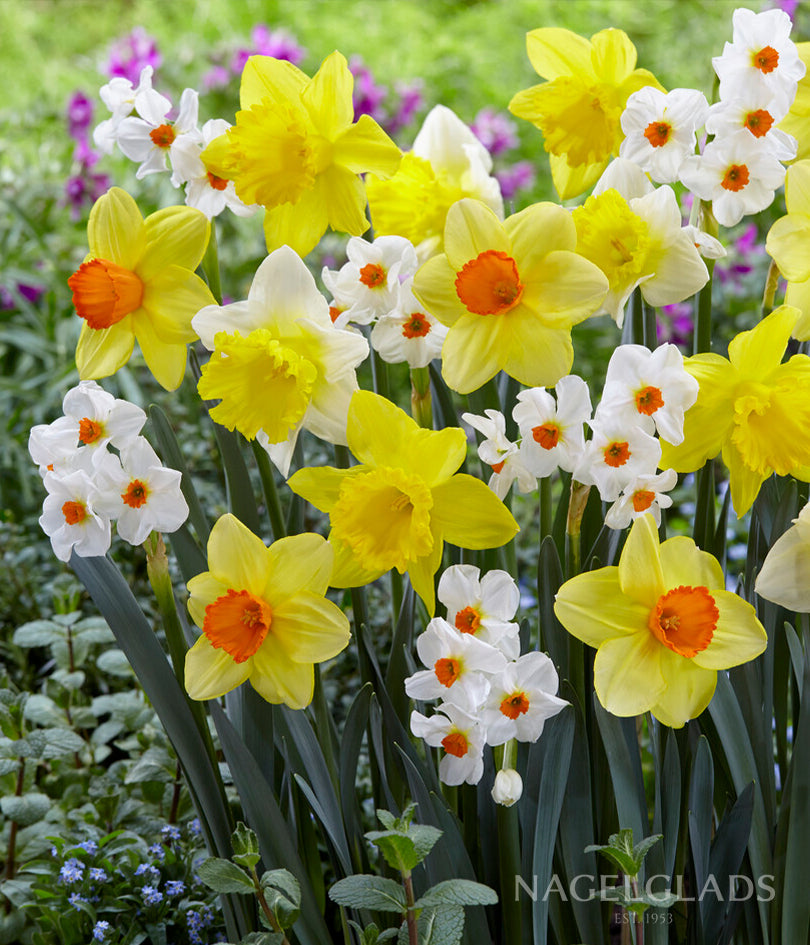
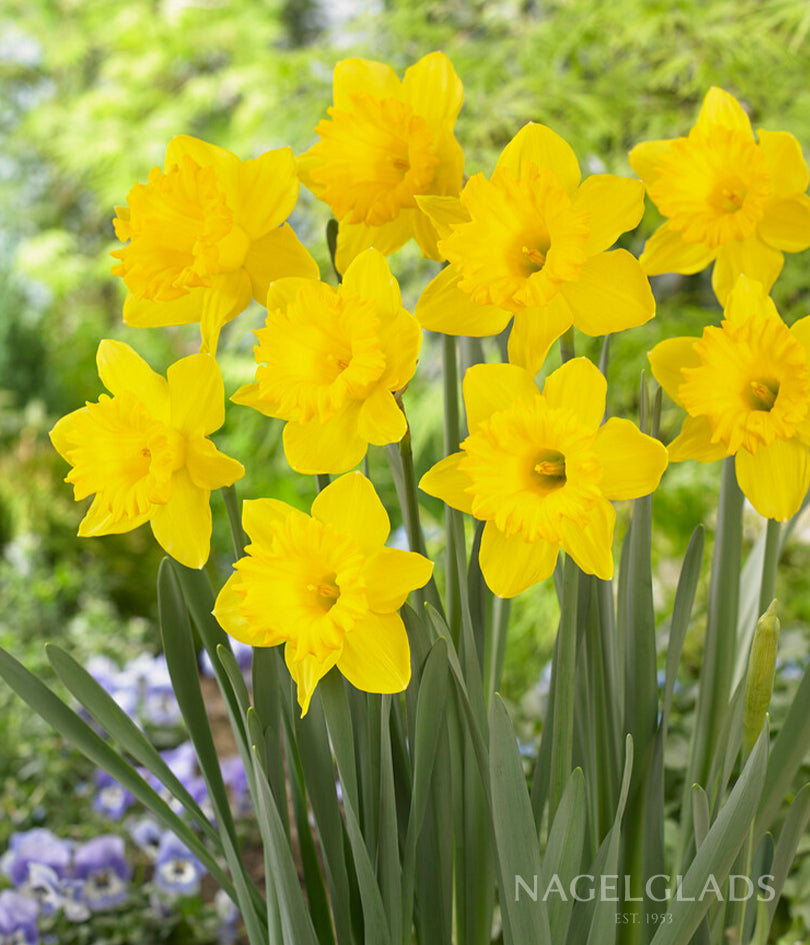
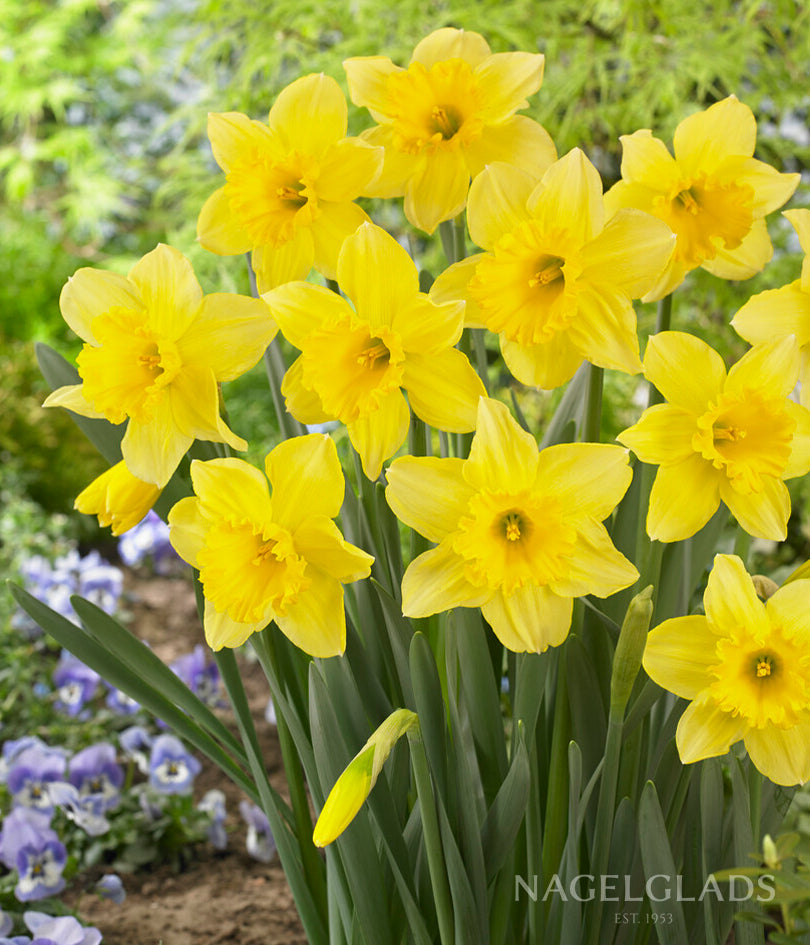
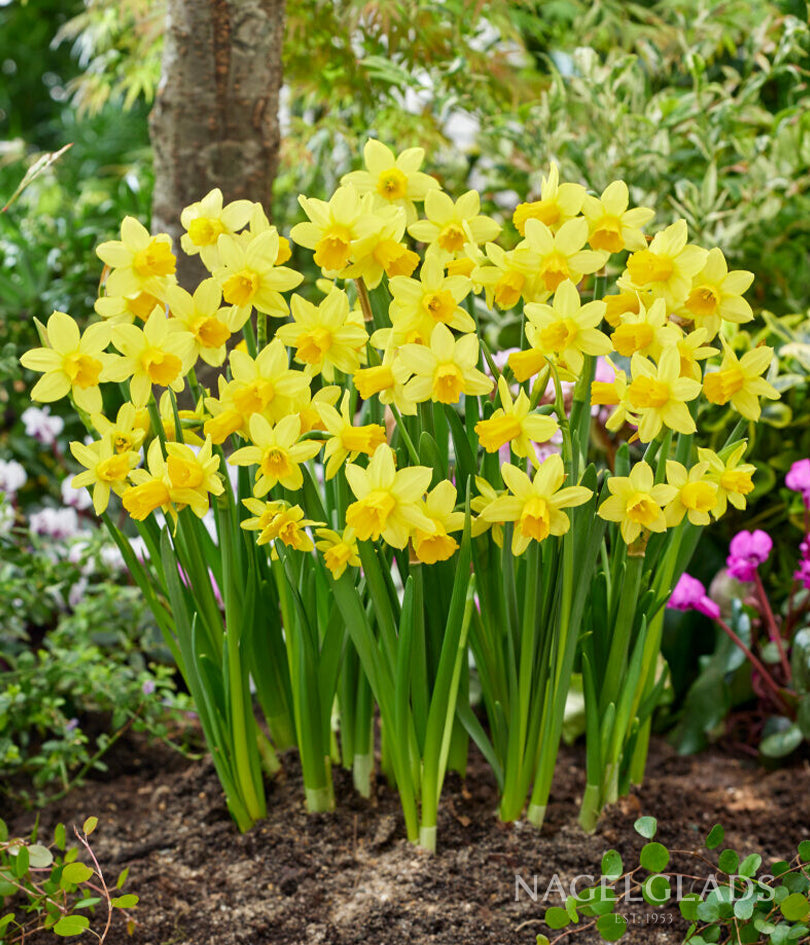
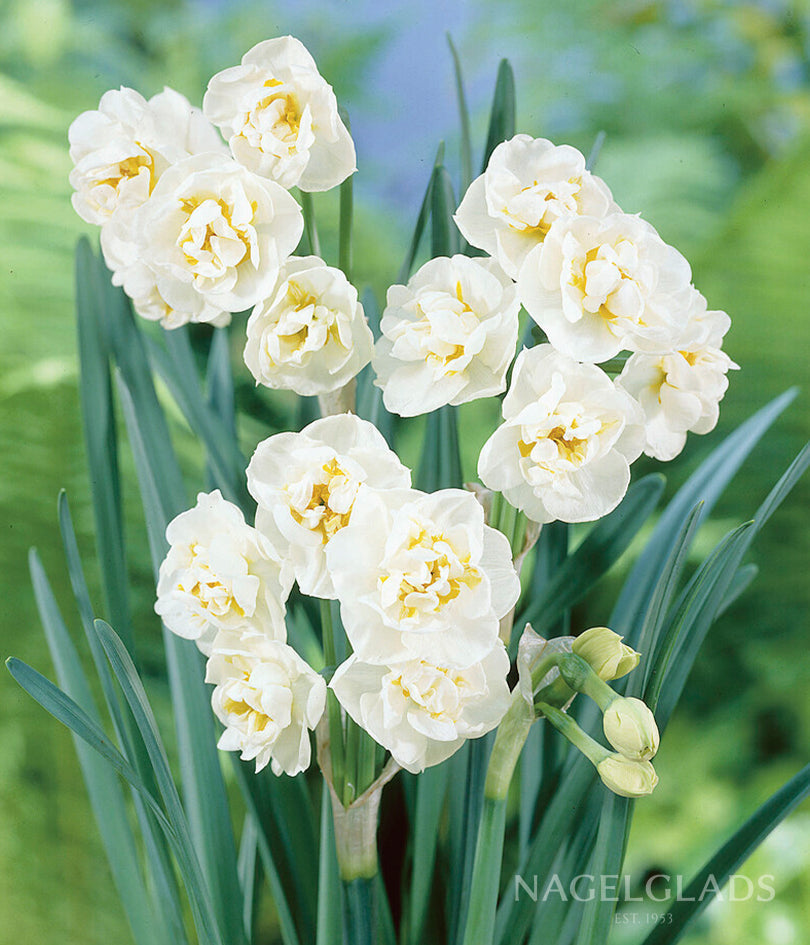
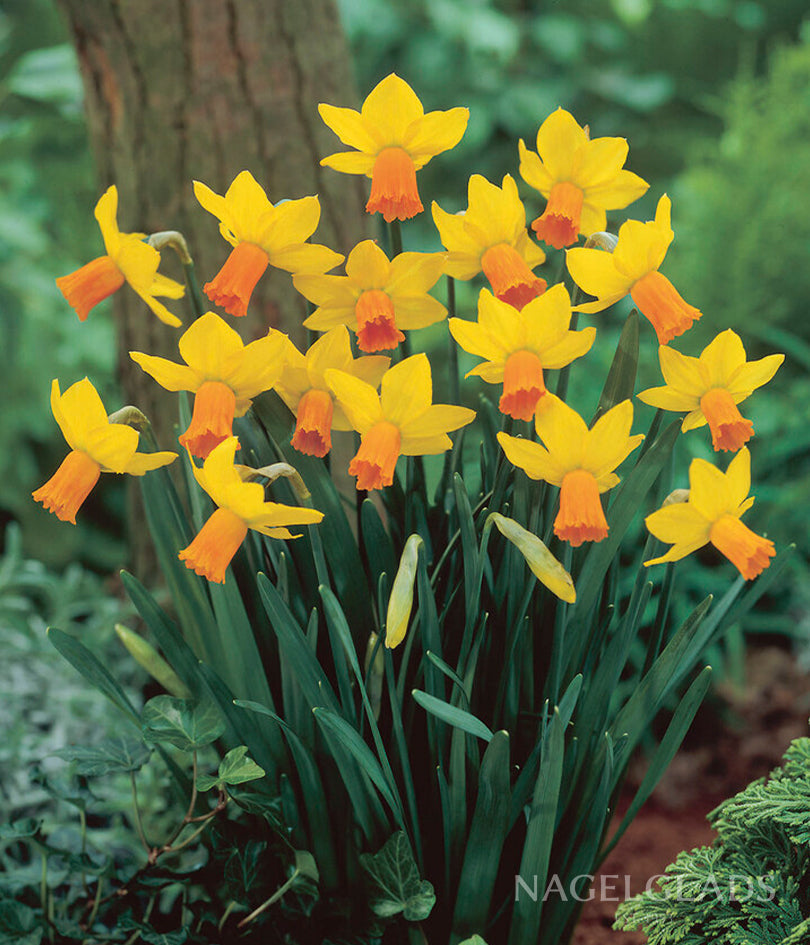
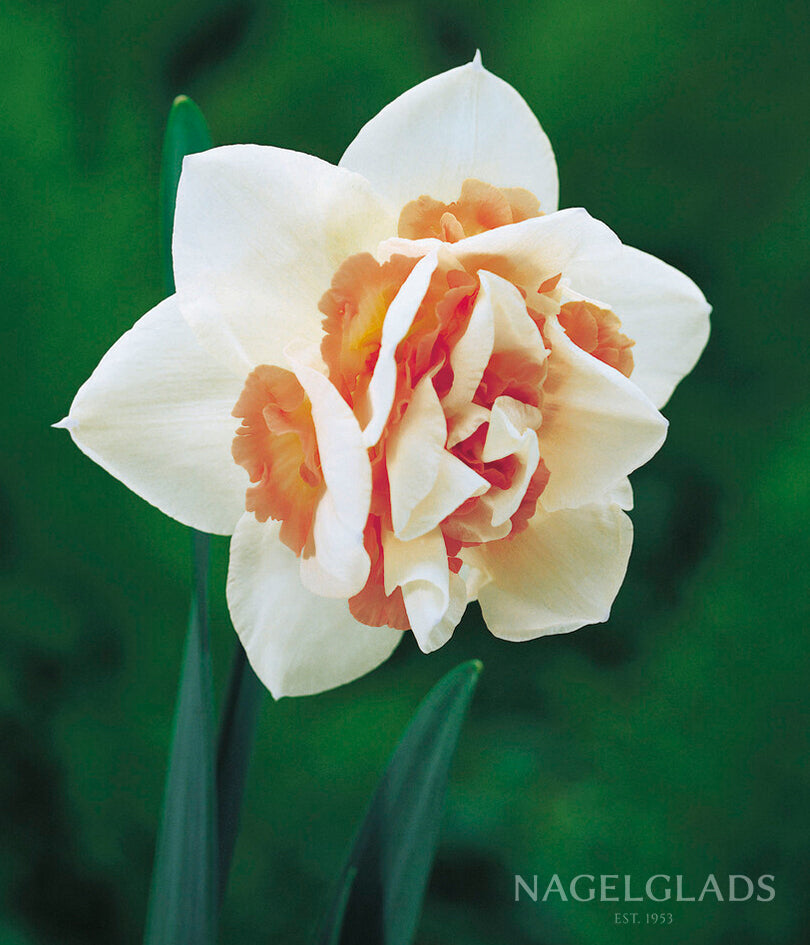
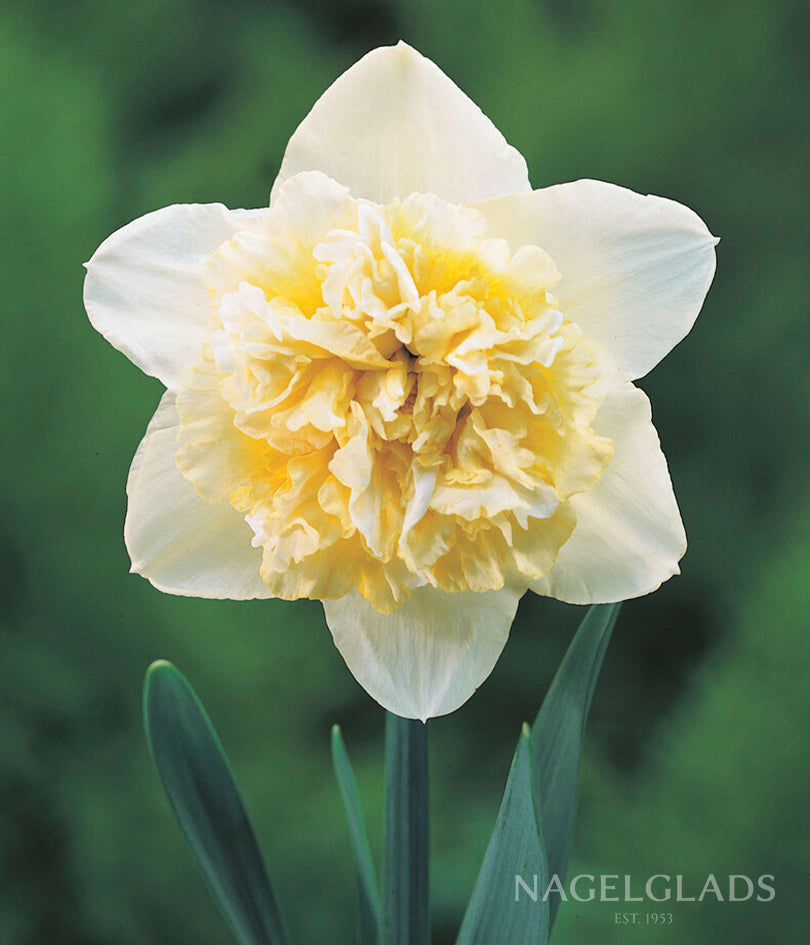
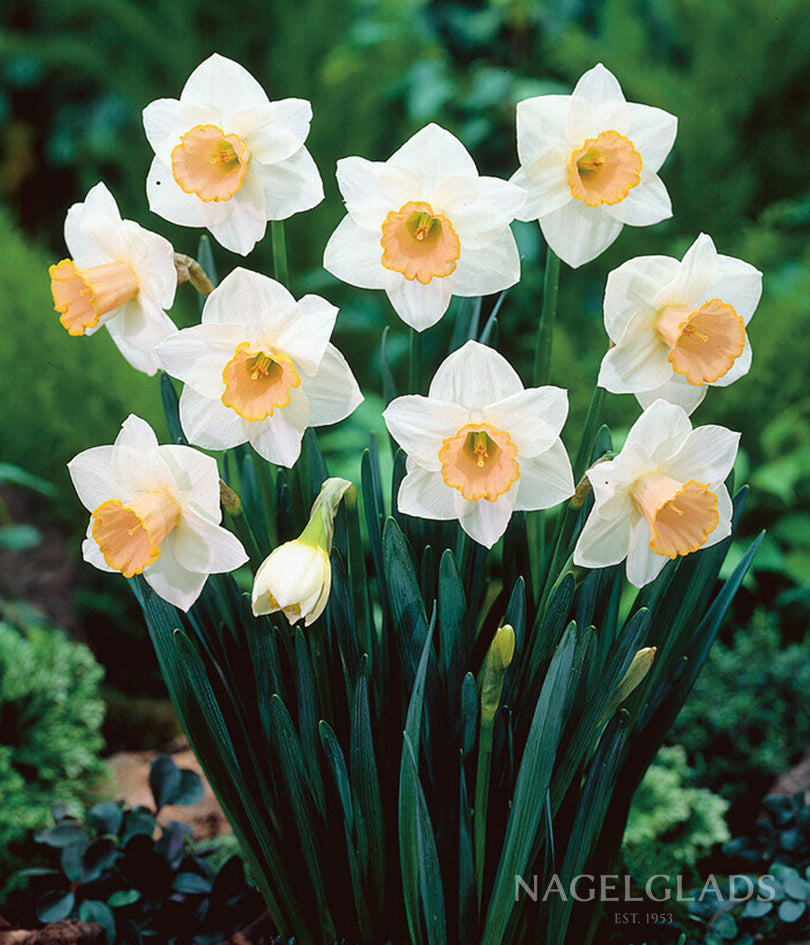
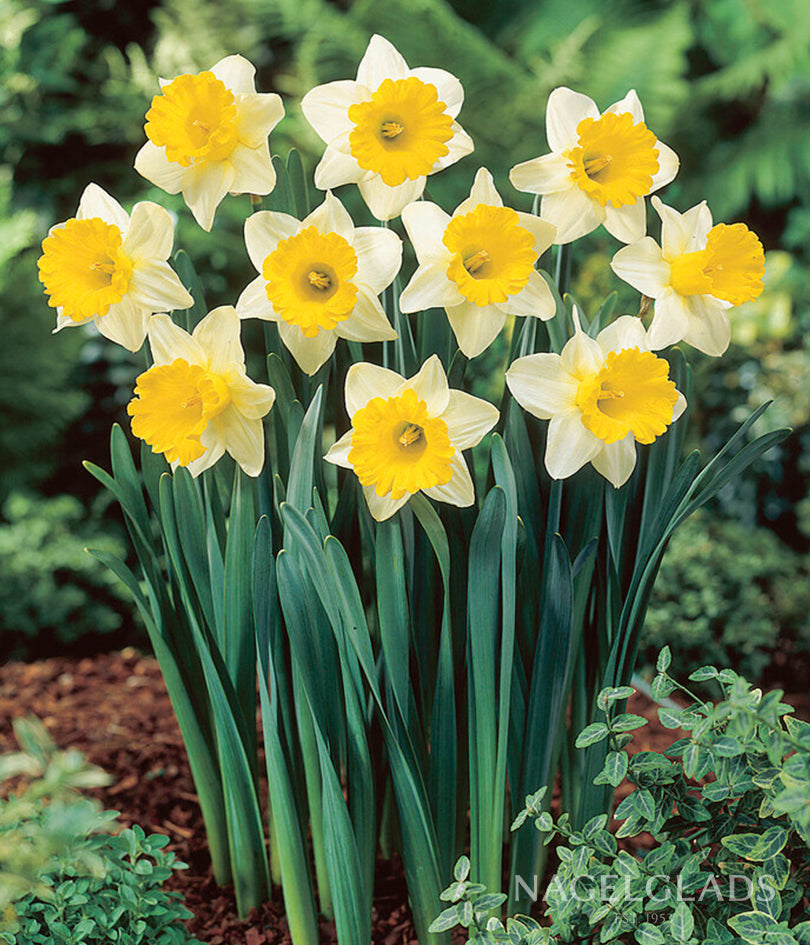
Not every Fall-planted bulb is equally appealing to wildlife, and several of the most popular species in the Nagel Glads catalog are ones that squirrels and deer consistently leave alone. Daffodils are at the top of this list. All Daffodil varieties contain lycorine, a naturally occurring alkaloid that makes them unpalatable and mildly toxic to most animals. Squirrels will occasionally dig up a freshly planted Daffodil bulb, sniff it, and leave it on the surface, but they almost never eat them. Deer avoid Daffodil foliage and blooms entirely. Mixed Daffodil Flower Bulbs, Carlton Daffodil Flower Bulbs, Thalia Daffodil Flower Bulbs, and every other Daffodil variety in the catalog share this natural resistance, which is one of the many reasons Daffodils are so widely recommended for naturalized plantings in areas with heavy deer or squirrel populations.
Allium varieties are similarly resistant. Their strong onion-family scent is a natural deterrent to both deer and squirrels, making Purple Sensation Allium Flower Bulbs, Azureum Allium Flower Bulbs, and Multibulbosum Allium Flower Bulbs excellent choices for gardeners in areas where wildlife pressure is a serious concern. Hyacinth bulbs are also generally avoided by squirrels and deer, adding Mixed Hyacinth Flower Bulbs and Mixed Pastel Hyacinth Flower Bulbs to the list of naturally protected options.

The Challenge: Tulips Are the Primary Target
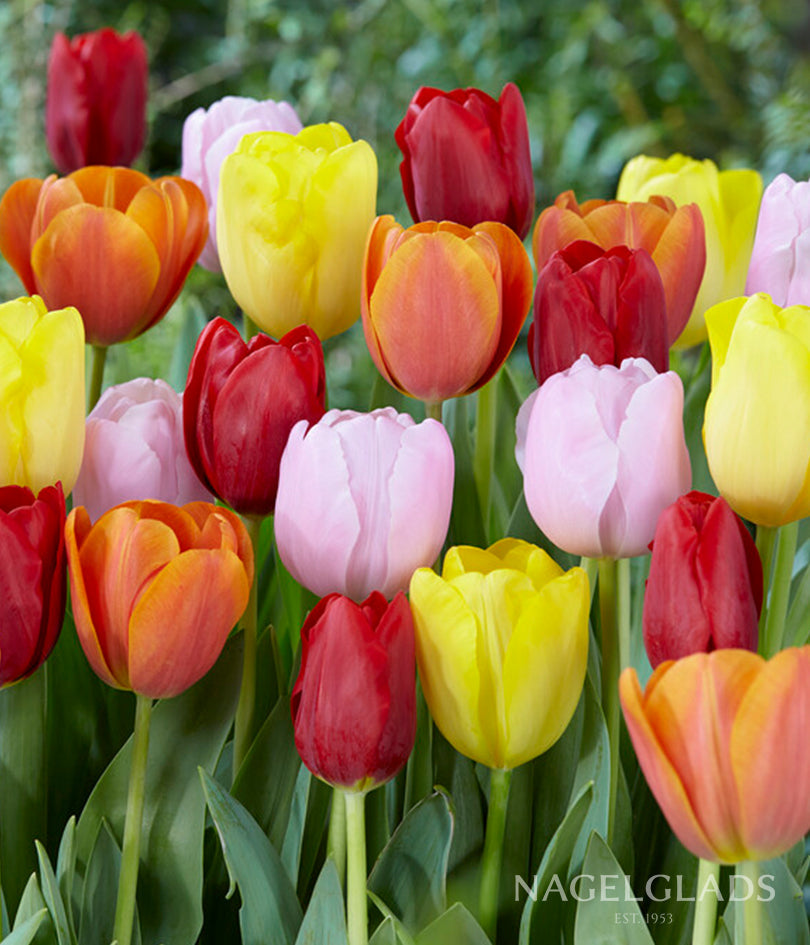
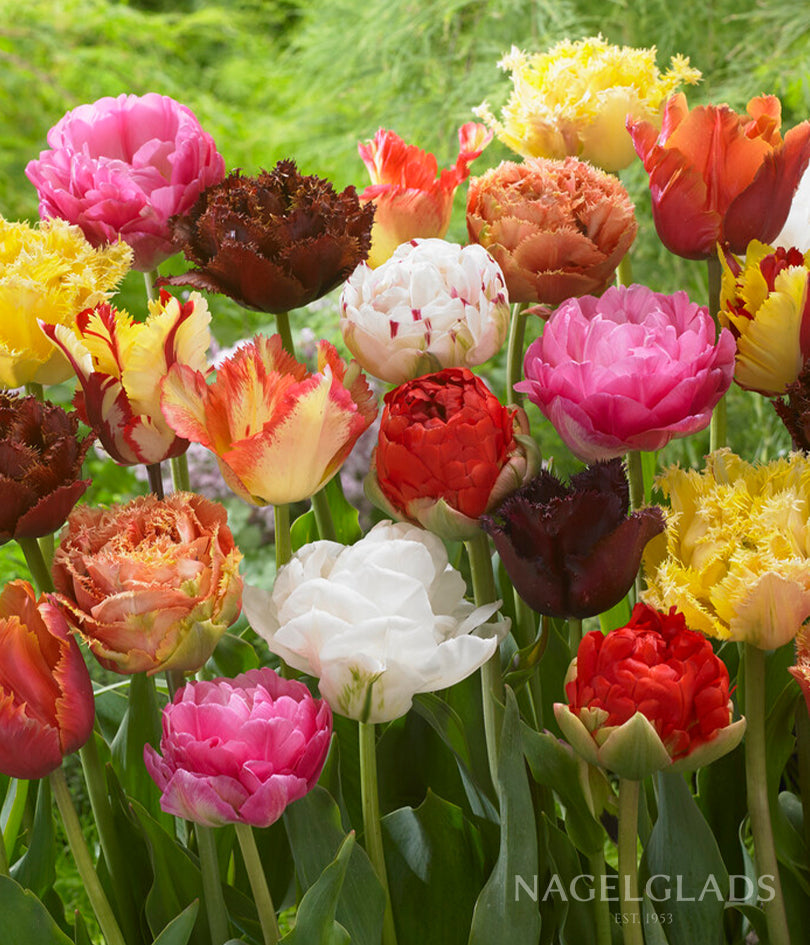
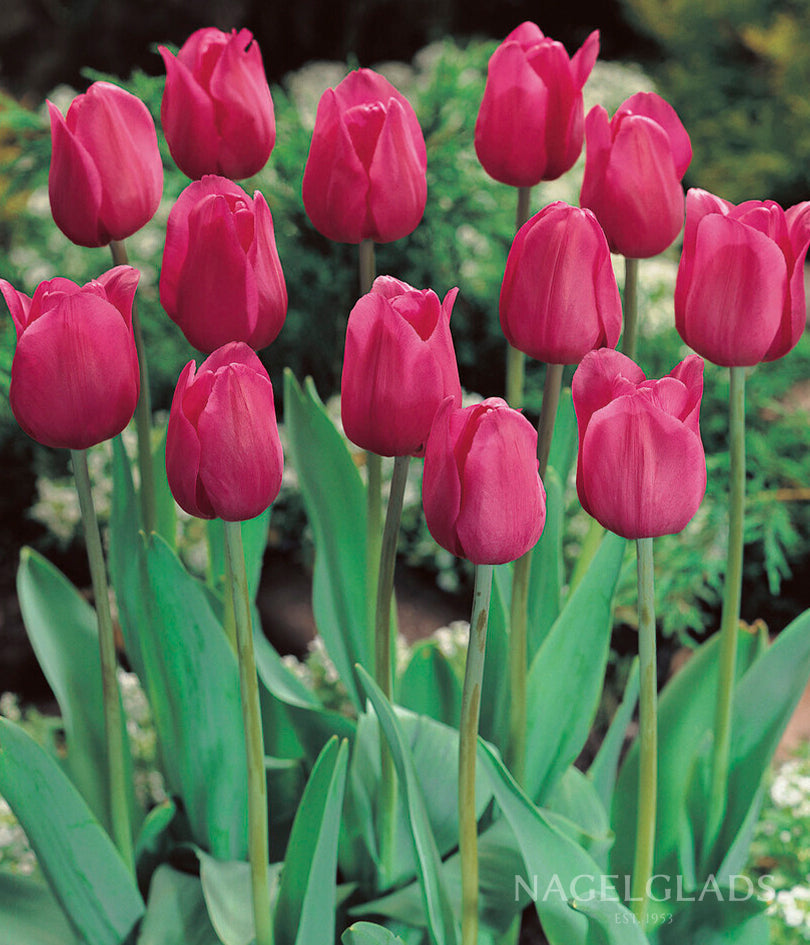
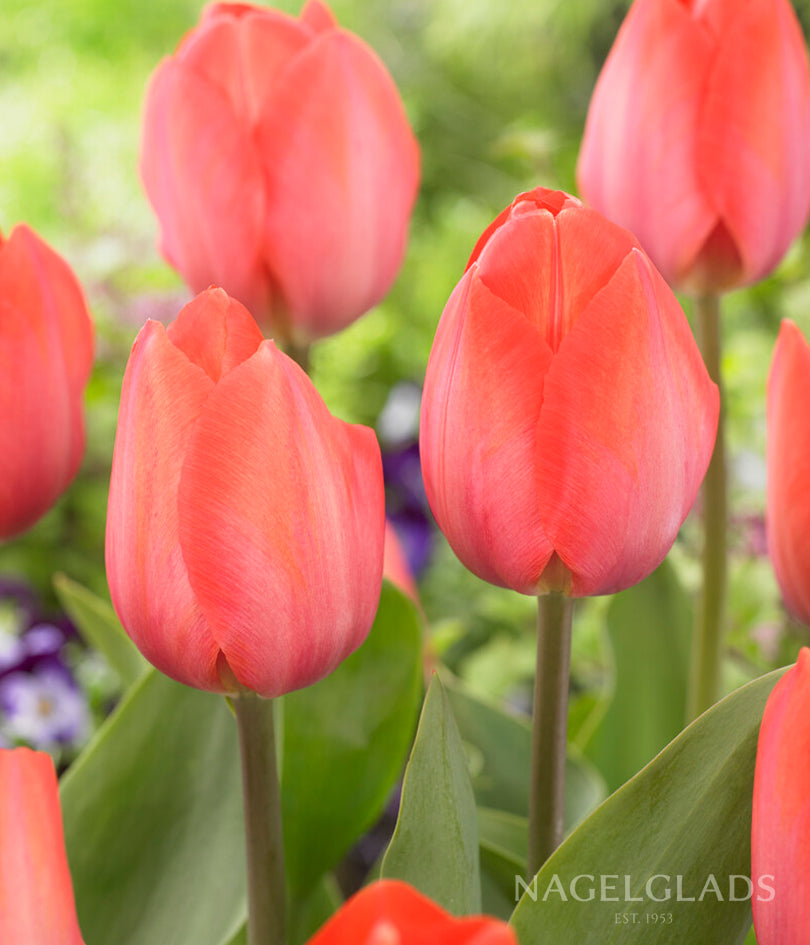
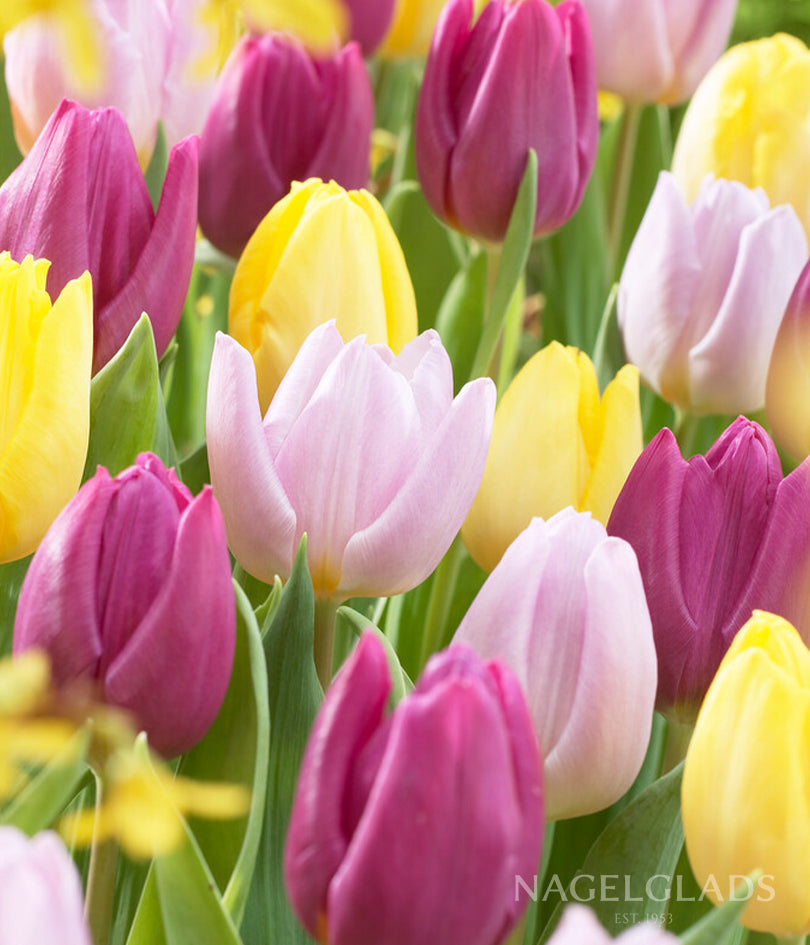
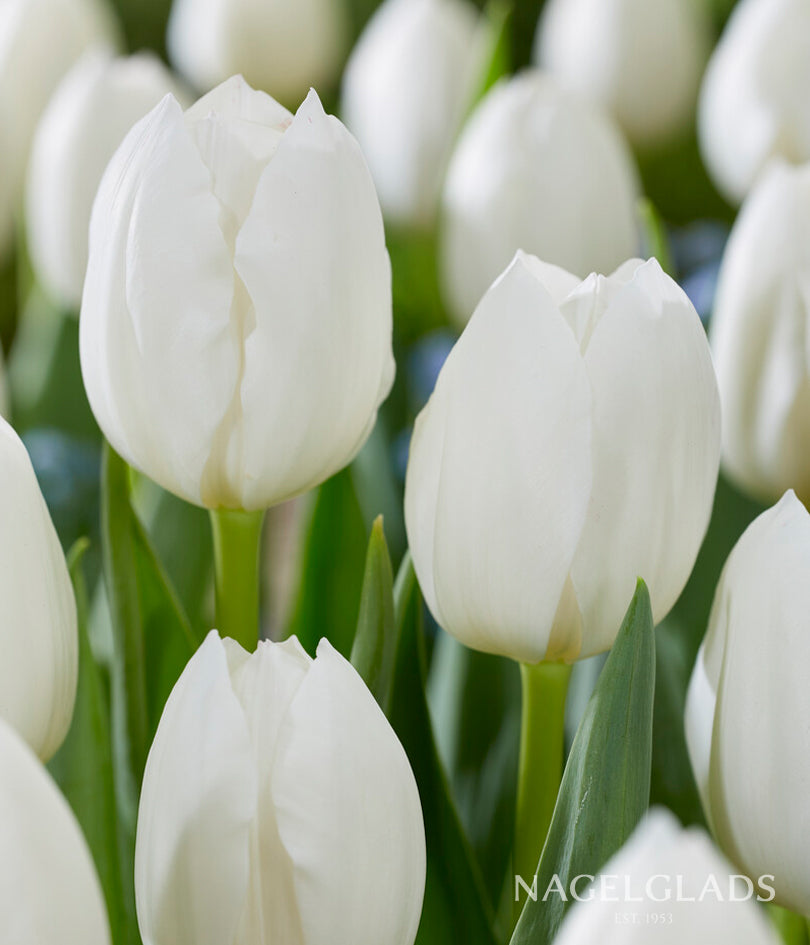
Tulips are by far the most vulnerable Fall-planted bulb when it comes to both squirrels and deer. Squirrels find freshly planted Tulip bulbs genuinely appealing and will dig them up and eat them or cache them elsewhere in the yard. Deer browse emerging Tulip foliage and flower buds in Spring with particular enthusiasm, often nipping buds the day before they would have opened. This does not mean Tulips should be avoided in gardens with wildlife pressure, but it does mean that some level of protection planning is worth building into the planting process from the start.
Physical Barriers: The Most Reliable Protection
The single most effective method for protecting Tulip bulbs from squirrels after planting is a physical barrier over the planting area. Chicken wire or hardware cloth laid flat across the surface of the bed immediately after planting and secured at the edges with landscape staples or stones prevents squirrels from digging without affecting the emerging shoots in Spring, which grow up through the wire openings without difficulty. The wire can be removed once shoots are a few inches tall, as squirrels are primarily interested in the bulbs themselves rather than the growing plants.
For individual bulb plantings in mixed borders where covering the entire bed is impractical, planting bulbs inside small wire cages or baskets made from hardware cloth protects each bulb individually underground while allowing roots and shoots to grow freely through the mesh. This method takes more time at planting but provides permanent protection that does not need to be removed in Spring.

Planting Depth and Technique
Planting Tulip bulbs at the deeper end of the recommended depth range, six to eight inches rather than four to six, provides an additional layer of protection simply by making the bulbs harder for squirrels to locate and reach. Firming the soil well after planting and avoiding leaving loose soil or visible digging marks on the surface also helps, as squirrels are attracted to freshly disturbed earth and use it as a cue that something worth investigating has been buried. Watering the bed thoroughly after planting settles the soil and reduces the visual and textural signs of recent digging.
Some gardeners have success with delayed planting, waiting until late Fall when squirrel caching activity has peaked and their attention has shifted to other food sources. In most parts of the country, planting Tulips in November still provides enough time for root establishment before the ground freezes, and the later timing can reduce squirrel interference significantly.
Deterrent Methods
Beyond physical barriers, several deterrent approaches can reduce squirrel and deer activity around bulb plantings, though none is as reliable as a physical barrier on its own. Interplanting Tulips with Daffodils and Allium throughout the same bed rather than in separate sections takes advantage of the natural resistance of those species and can reduce squirrel interest in the area as a whole. The scent of the Allium and the unpalatability of the Daffodil bulbs nearby may discourage digging even in the Tulip sections of a mixed planting.
Commercial deer repellent sprays applied to emerging Tulip foliage in early Spring can reduce browsing, though they need to be reapplied regularly and after rain to remain effective. Some gardeners report success with blood meal sprinkled over newly planted beds as a squirrel deterrent, though its effectiveness varies and it can attract other animals in some areas.

Designing with Resistance in Mind
One of the most practical long-term strategies for gardeners in areas with heavy wildlife pressure is to weight the Fall bulb order toward naturally resistant species and use Tulips more selectively in protected locations rather than as the foundation of the entire planting. A Spring garden built primarily around Daffodils, Allium, and Hyacinth, with Tulips concentrated in beds close to the house where protection is easiest to maintain, produces a display that is both beautiful and sustainable year after year without constant wildlife management.
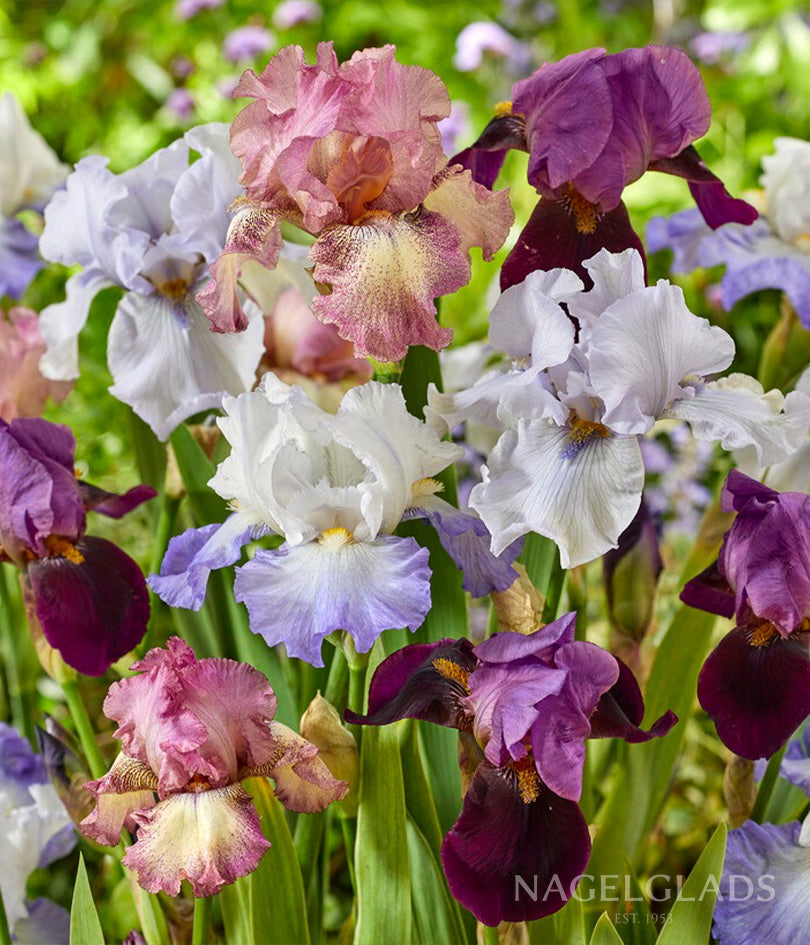
Mixed Bearded Iris Flower Bulbs are another strong option for gardens with deer pressure. Bearded Iris are generally unpalatable to deer and are planted as rhizomes at or just below the soil surface rather than buried deeply, which means squirrels typically show little interest in them. Rainbow Mixed Ranunculus Flower Bulbs and Pastel Ranunculus Flower Bulbs are also rarely bothered by squirrels or deer, adding further variety to a wildlife-resistant Fall planting plan.
A Mixed Planting Strategy
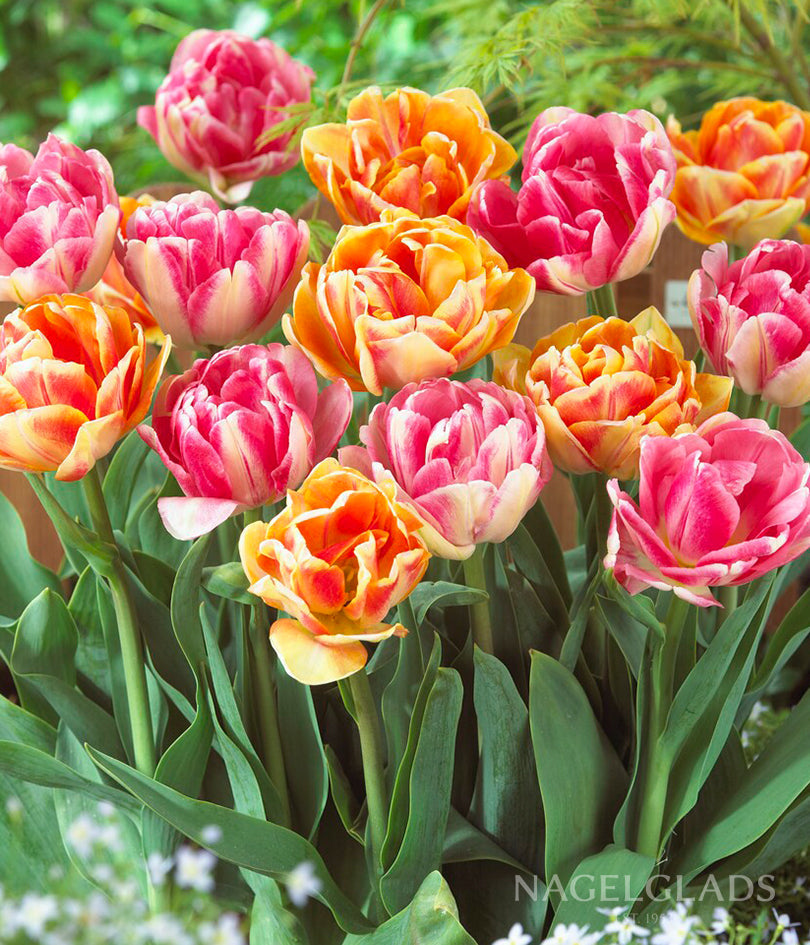
The most effective approach for most gardeners combines several of these methods rather than relying on any single one. A Fall planting plan that leads with generous quantities of naturally resistant Daffodils and Allium, includes Tulips in protected beds covered with chicken wire after planting, interplants vulnerable and resistant species throughout mixed borders, and applies deterrent sprays to emerging foliage in Spring will handle both squirrel and deer pressure across the full season. Triumph Tulip Mix Flower Bulbs and Parrot Tulip Mix Flower Bulbs are well worth the extra protection effort for the color and drama they bring to the Spring garden, and the methods described here make it entirely practical to enjoy them even in gardens where wildlife is a constant presence.

Top 5 Tips for Protecting Fall-Planted Bulbs
- Plant Daffodils, Allium, and Hyacinth as the foundation of any garden with squirrel or deer pressure
- Cover Tulip beds with chicken wire or hardware cloth immediately after planting
- Plant Tulip bulbs at the deeper end of the recommended range, six to eight inches, and firm soil well
- Interplant Tulips with Daffodils and Allium throughout the same bed to reduce squirrel interest
- Apply deer repellent spray to emerging Tulip foliage in early Spring and reapply after rain
Plant with Confidence This Fall
Squirrels and deer are a fact of life for most gardeners in the country, but they do not need to determine what you plant or limit the beauty of your Spring garden. A thoughtful combination of naturally resistant species, physical barriers where needed, and smart planting technique makes it entirely possible to enjoy a full, colorful Spring display that includes every type of bulb in the catalog. Browse the full range of Fall Planted Bulbs and build a planting plan that works with wildlife rather than against it.