Log in



Every Gardener Has Room for a Few Pots
One of the most common reasons people hesitate to order Fall planted bulbs is the assumption that they need a large garden bed to make it worthwhile. But some of the most beautiful Spring displays happen not in wide borders or sprawling beds, but in containers on a front porch, a balcony, a patio, or flanking a doorway. Growing Spring bulbs in pots is genuinely simple, surprisingly rewarding, and open to anyone with a sunny spot and a container with drainage holes. If you have been thinking about pre-ordering Fall bulbs but wondering where you would plant them, this post is for you.
Choosing the Right Container
The container itself matters more than many first-time bulb gardeners realize. Depth is the most important dimension. Most Spring bulbs need to be planted at a depth of roughly three times their own height, and they need several inches of growing medium below them for root development. A container with at least twelve inches of interior depth works for most Tulips and Daffodils, and deeper is always better. Width determines how many bulbs you can fit and how full the display will look when everything is in bloom. A wide, generous pot planted densely with a single variety creates a far more satisfying result than a narrow container with a few scattered bulbs.
Material matters too, particularly for gardeners in colder climates where containers will spend the Winter outdoors. Unglazed terracotta can crack in freezing temperatures as moisture in the clay expands. Resin, fiberglass, and thick-walled glazed ceramic handle freeze-thaw cycles more reliably and are worth the investment for containers that will stay outside through Winter. Good drainage holes are non-negotiable for any container planting, as bulbs sitting in waterlogged soil through the cold months will rot before Spring arrives.

The Layering Technique for Continuous Bloom
One of the greatest advantages of container planting is the ability to layer different bulb species at different depths within a single pot, creating a display that blooms in waves from early Spring through late season. This technique, sometimes called lasagna planting, stacks bulbs in layers the way ingredients layer in a lasagna, with the largest, latest-blooming bulbs at the bottom and the smallest, earliest-blooming bulbs near the top.
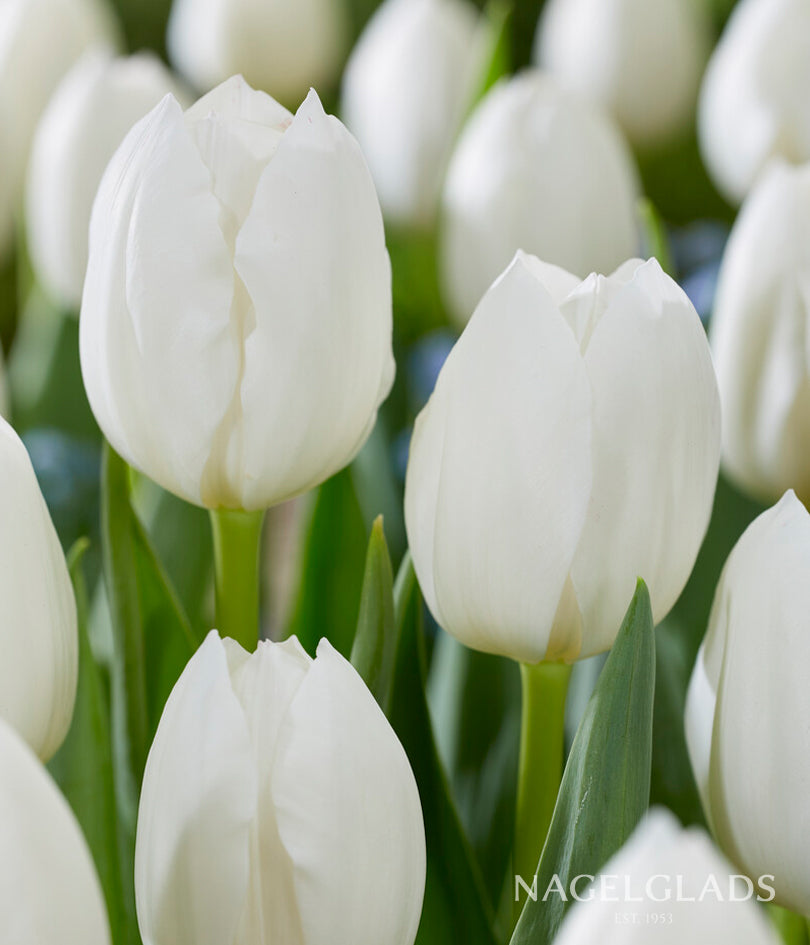
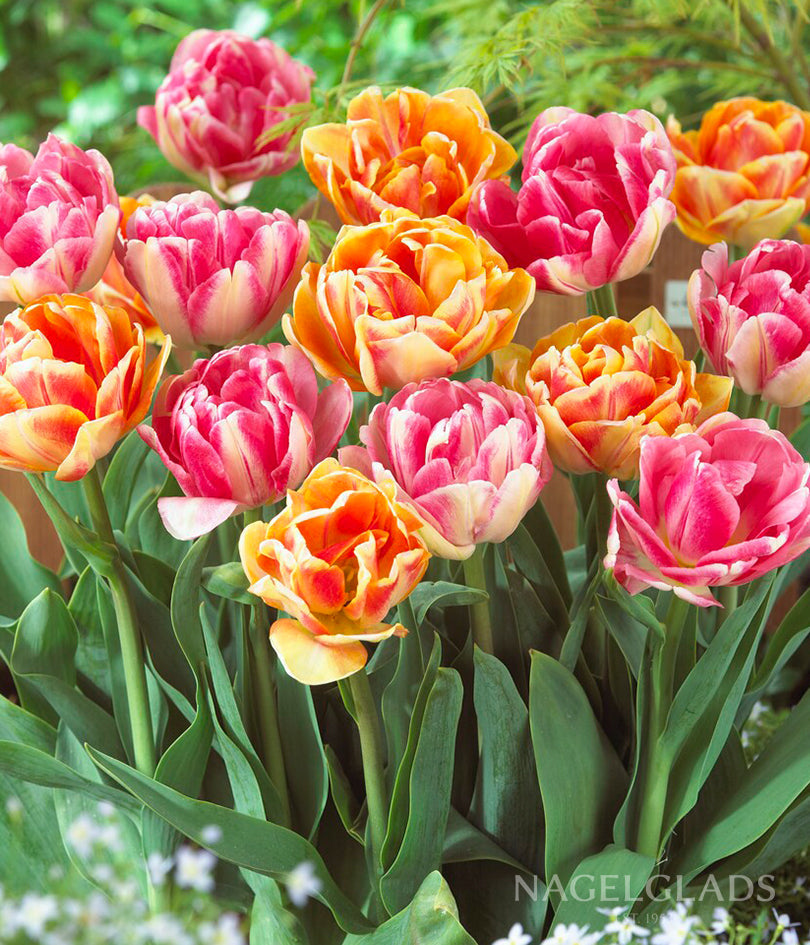
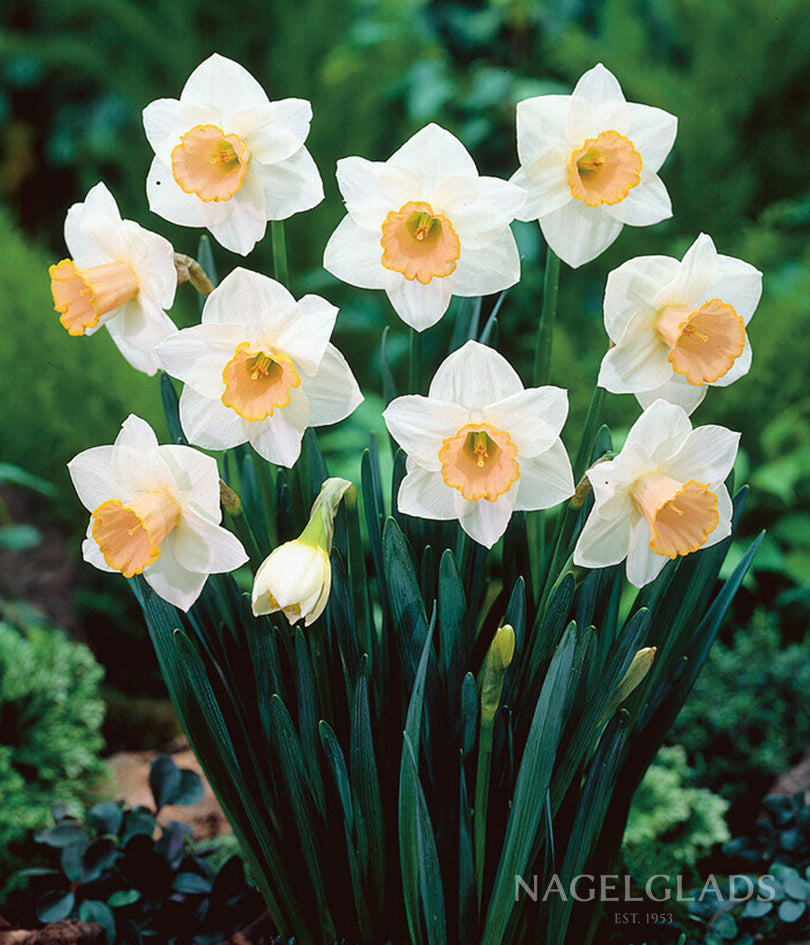
In a deep container, start with a layer of potting mix at the bottom, then place your latest-blooming bulbs — Tulips work well here. Happy Generation Triumph Tulip Flower Bulbs with their striking white petals marked with red flames make a bold mid-Spring statement when they emerge as the second wave of a layered pot. Cover with a few inches of potting mix, then add a layer of mid-season Daffodils. Salome Daffodil Flower Bulbs with their elegant white petals and soft peachy-pink cups bring a refined quality to container displays that pairs naturally with almost any Tulip planted below them. Cover again and place the earliest-blooming bulbs on top. Mixed Hyacinth Flower Bulbs planted in the shallowest layer will bloom first, filling the porch or patio with fragrance while the Daffodils and Tulips below are still building toward their own display.
Daffodils in Containers: Varieties That Shine
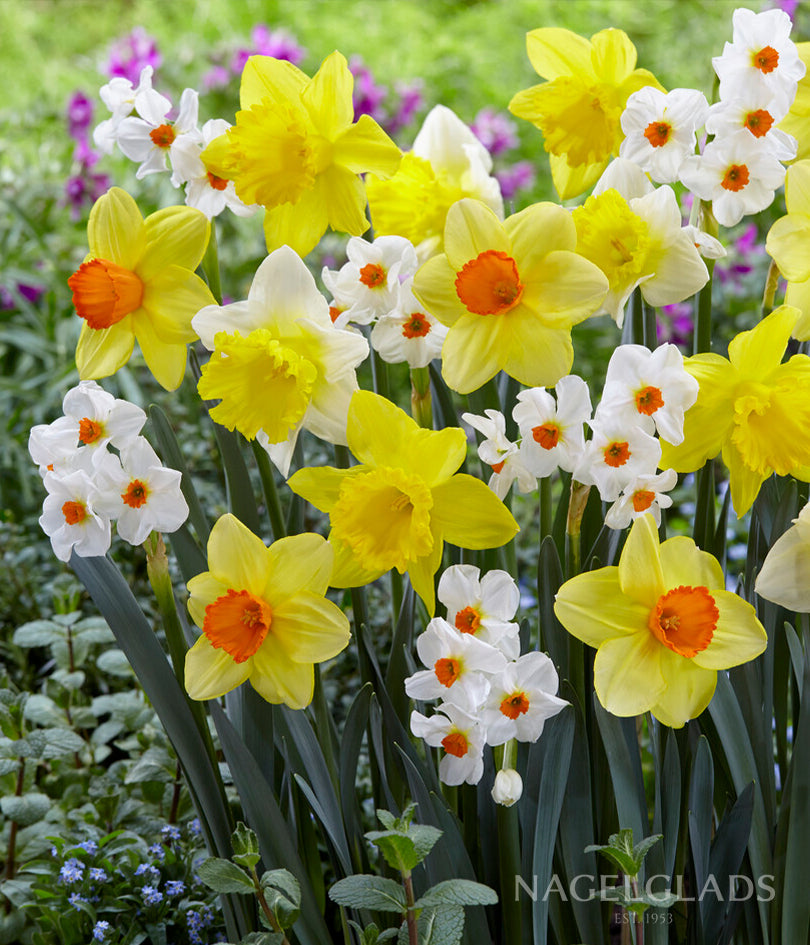
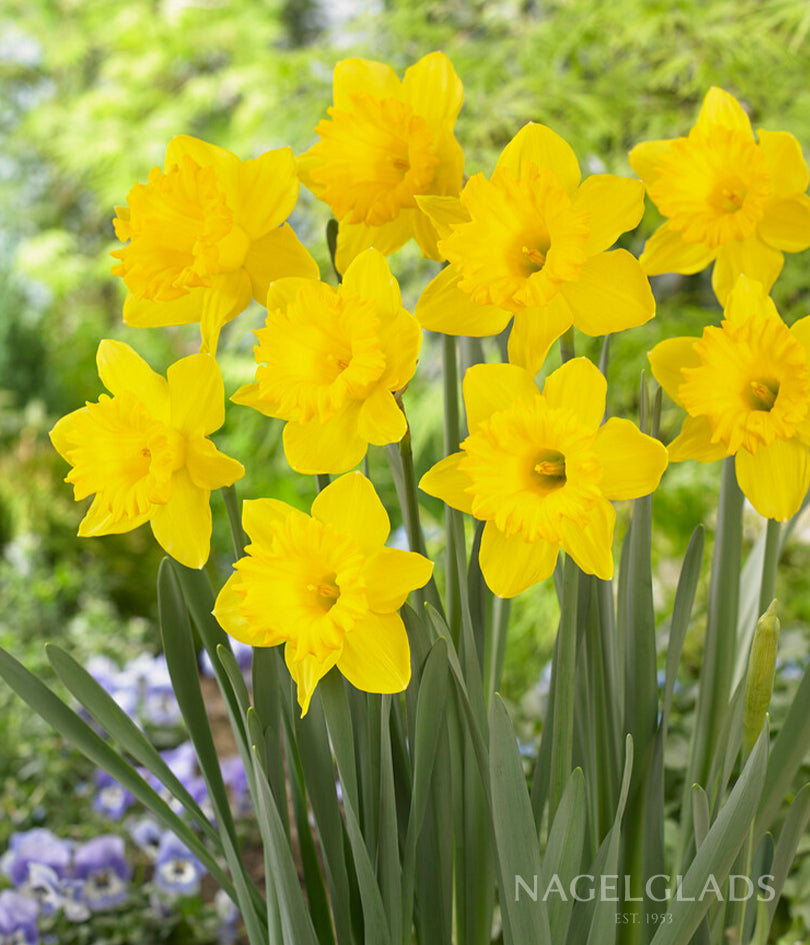
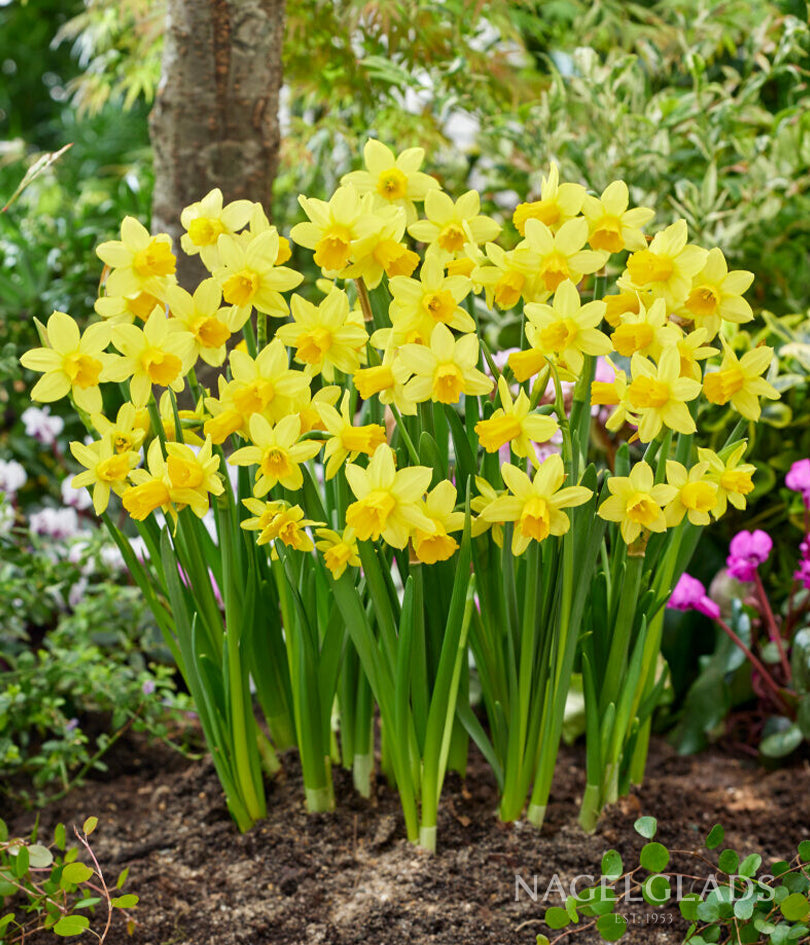
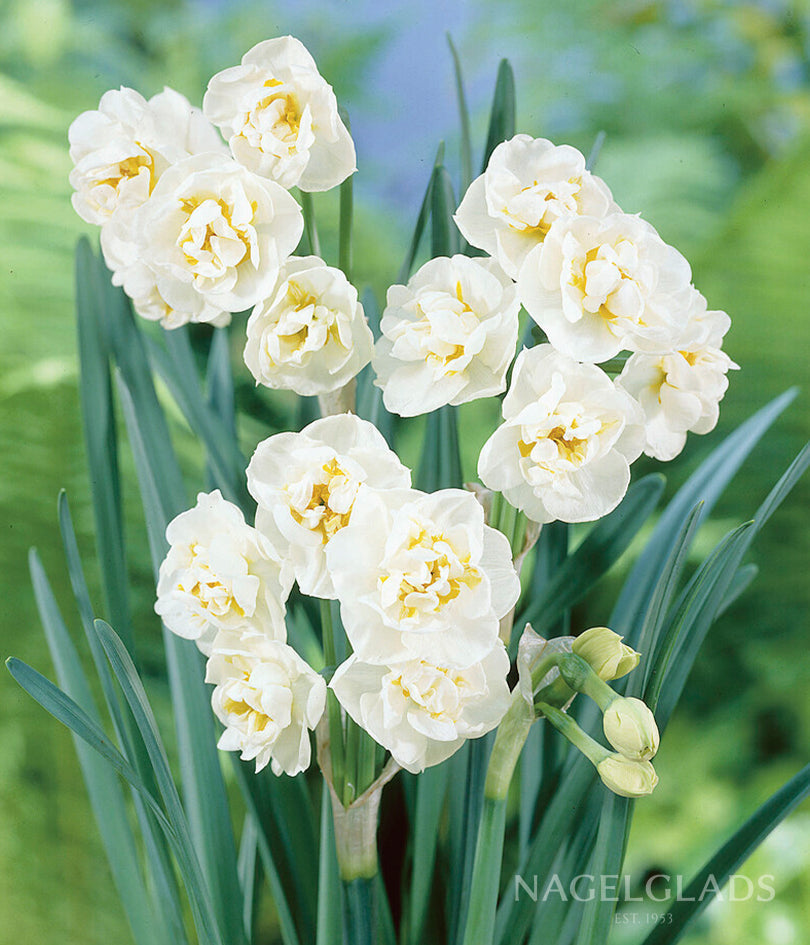
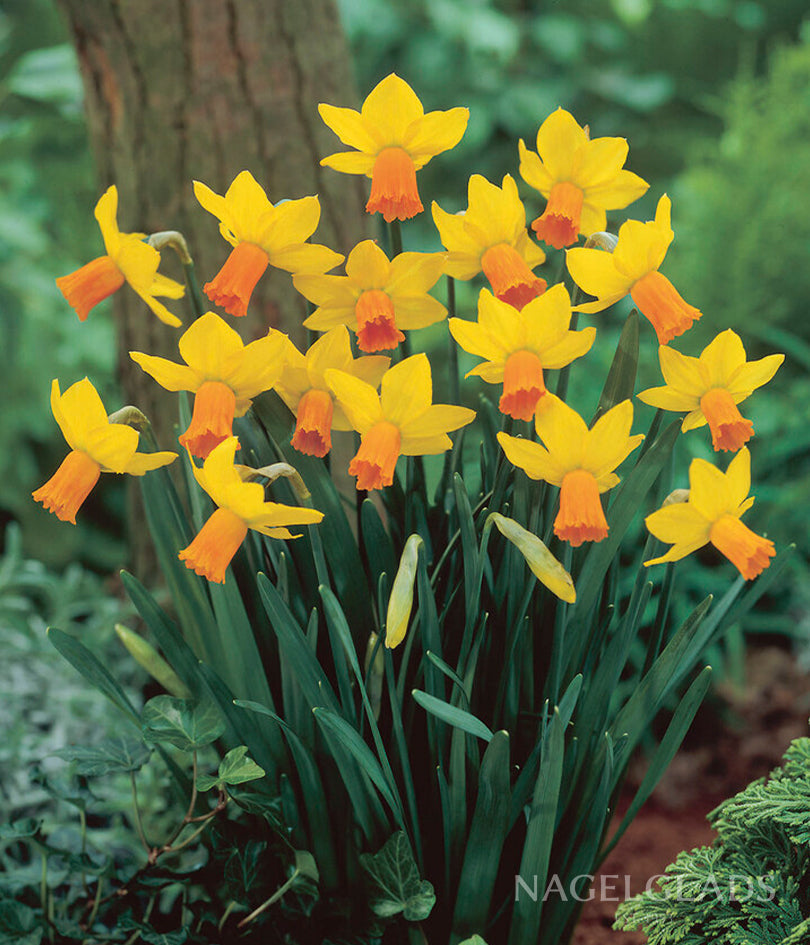
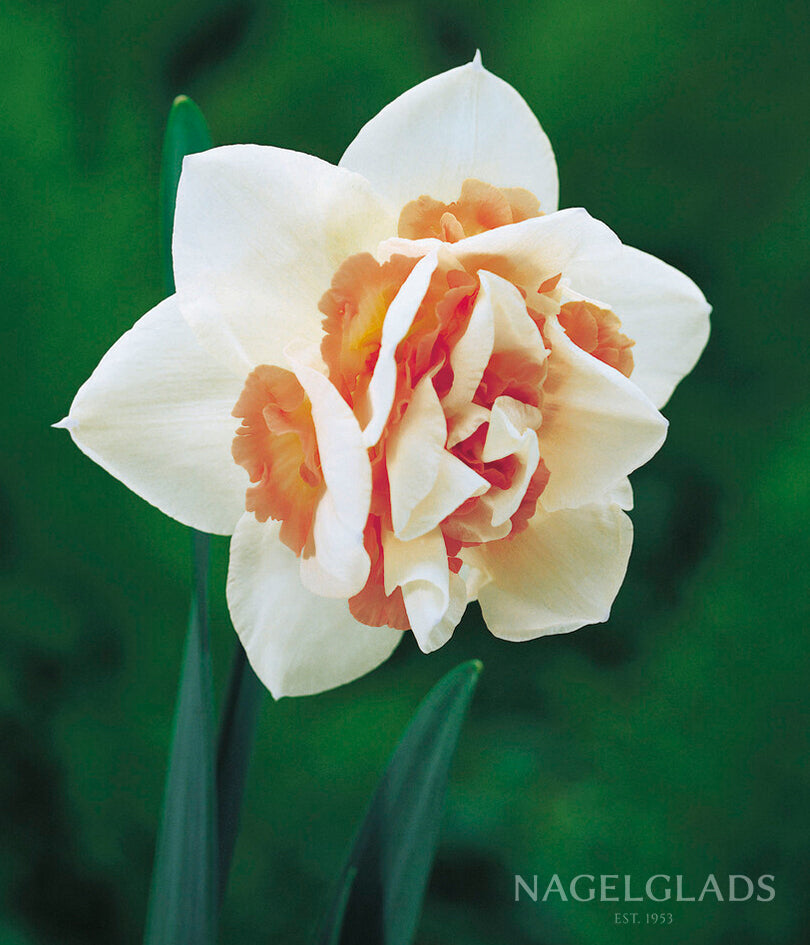
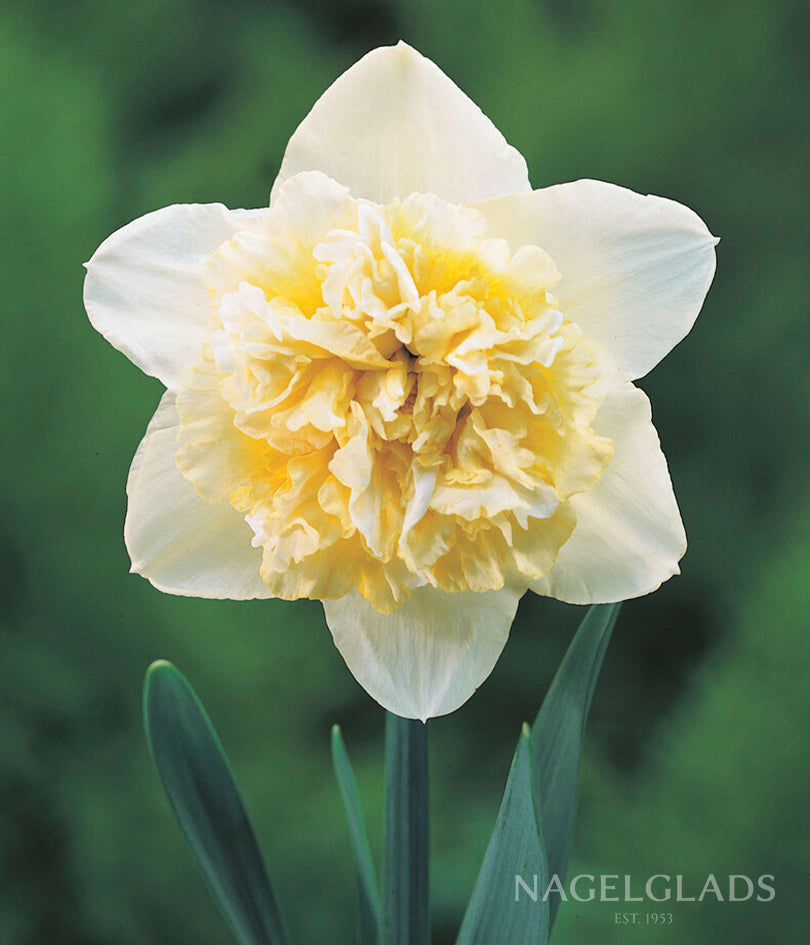
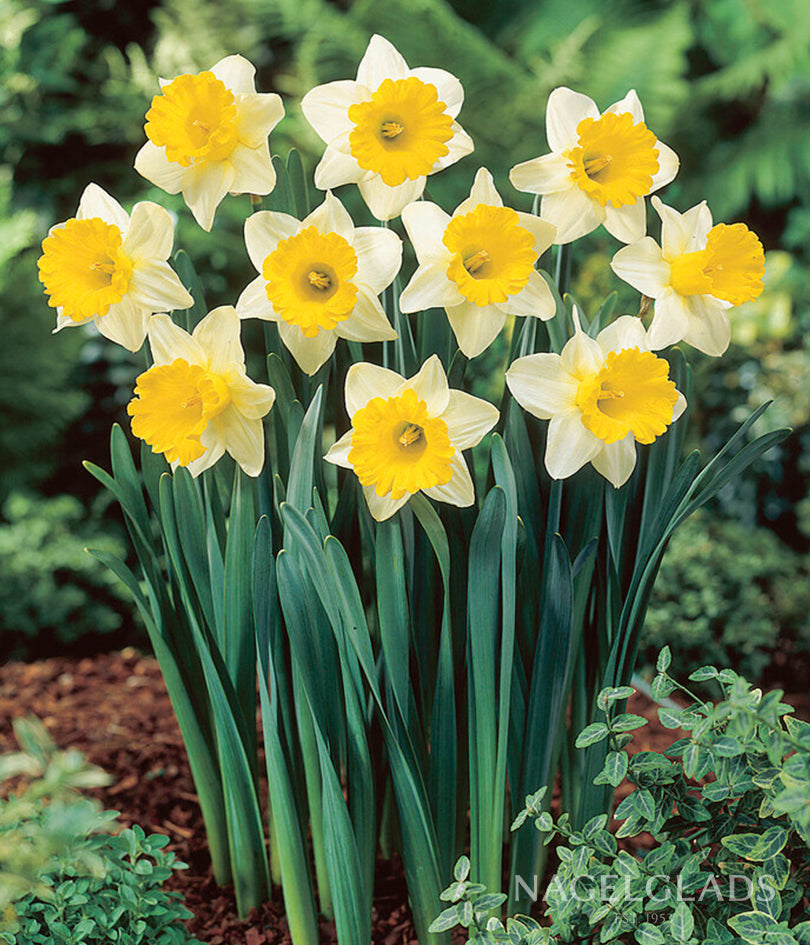
Daffodils are particularly well suited to container growing because many varieties are naturally compact, have strong stems that handle wind without staking, and are reliably perennial, meaning a well-maintained container planting can bloom for several seasons. Replete Pink Daffodil Flower Bulbs produce unusual double blooms in soft pink and cream that look stunning in a container where their detail can be appreciated up close. Dutch Master Daffodil Flower Bulbs are the classic large golden-yellow trumpet Daffodil that most people picture when they think of Spring, and a pot full of them flanking a front door is one of the simplest and most joyful Spring displays imaginable. Goblet Daffodil Flower Bulbs offer a warm yellow-and-orange combination with a distinctive cup shape that adds character to mixed container plantings. Carlton Daffodil Flower Bulbs bring a soft, buttery yellow with large fragrant blooms on sturdy stems that hold up beautifully in exposed positions on windy balconies or open porches.

Tulips for Containers: Choosing Compact Performers
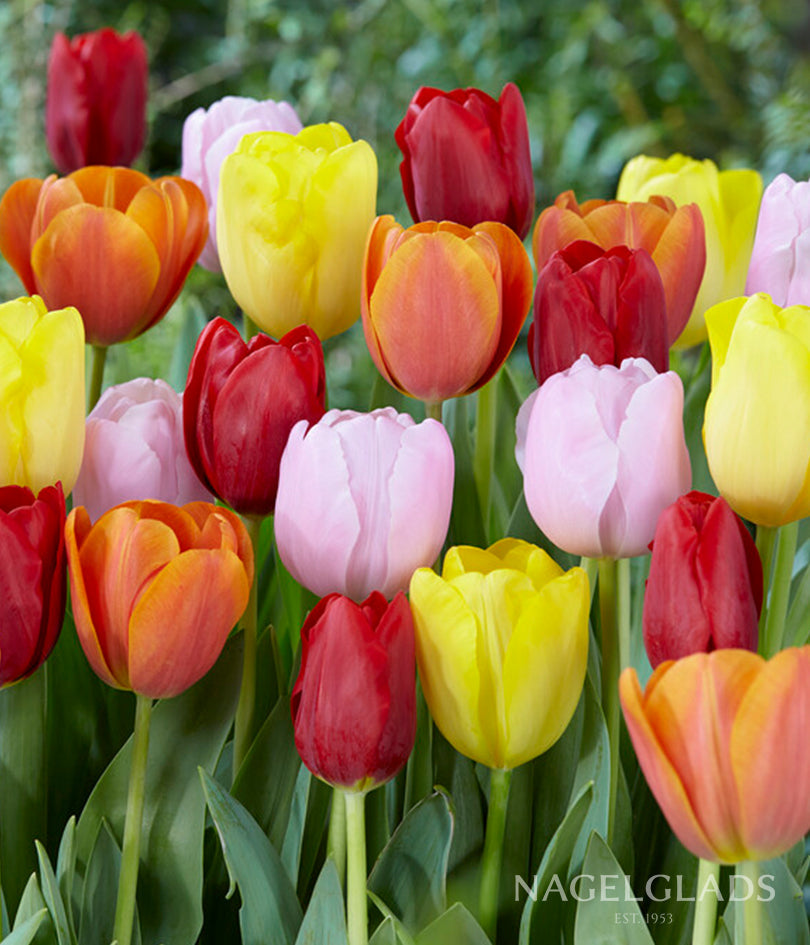
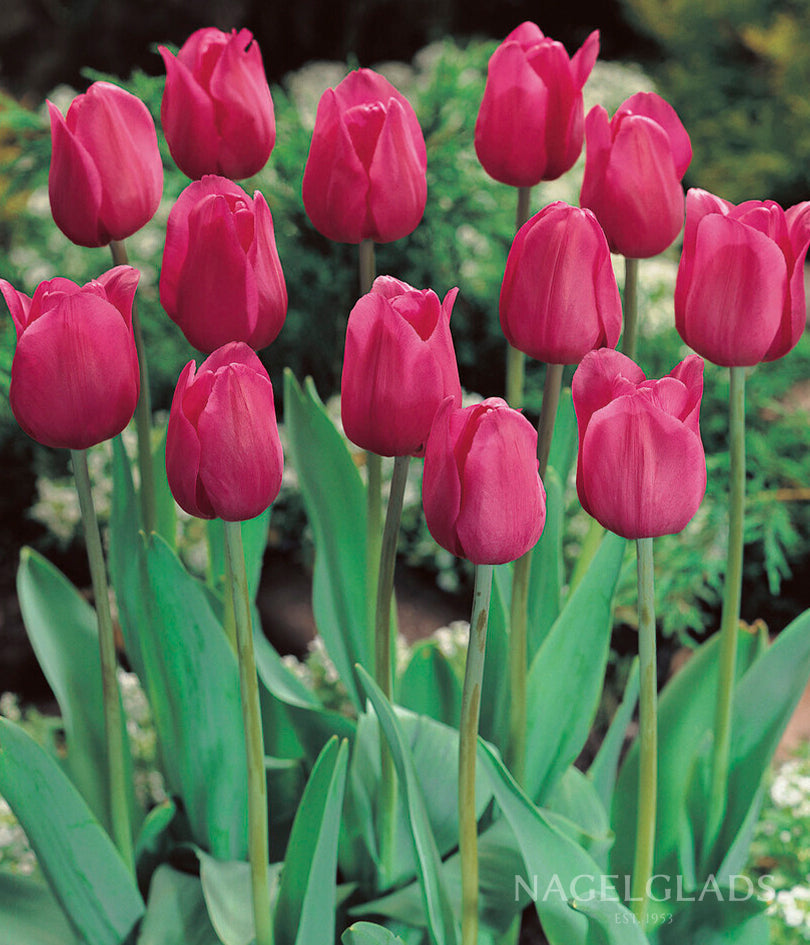
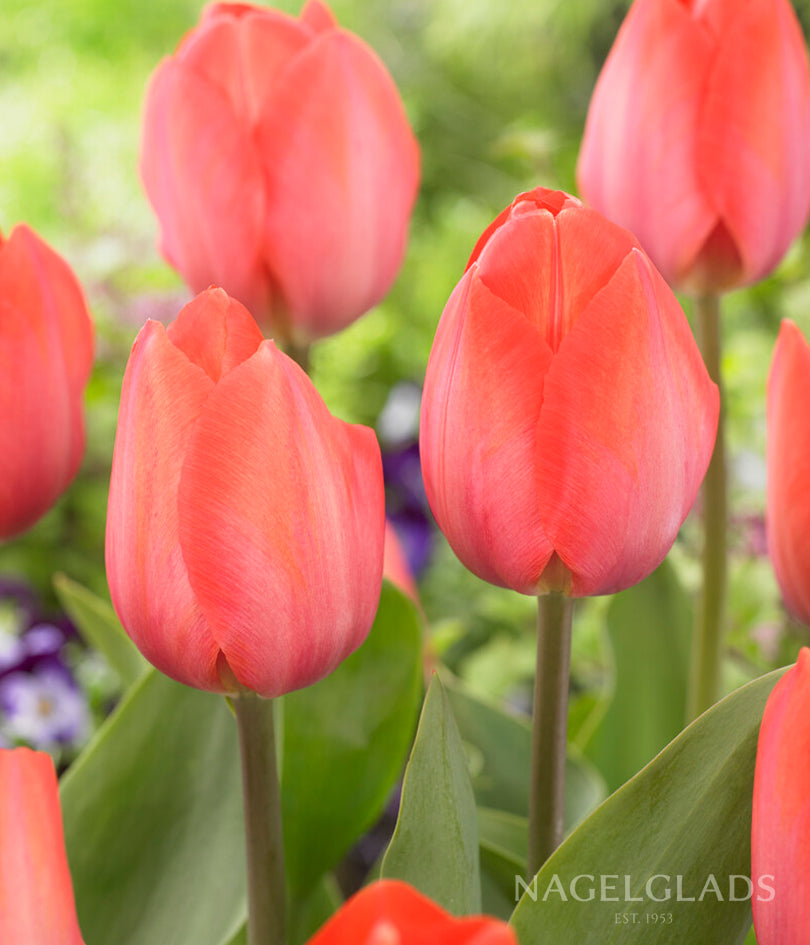
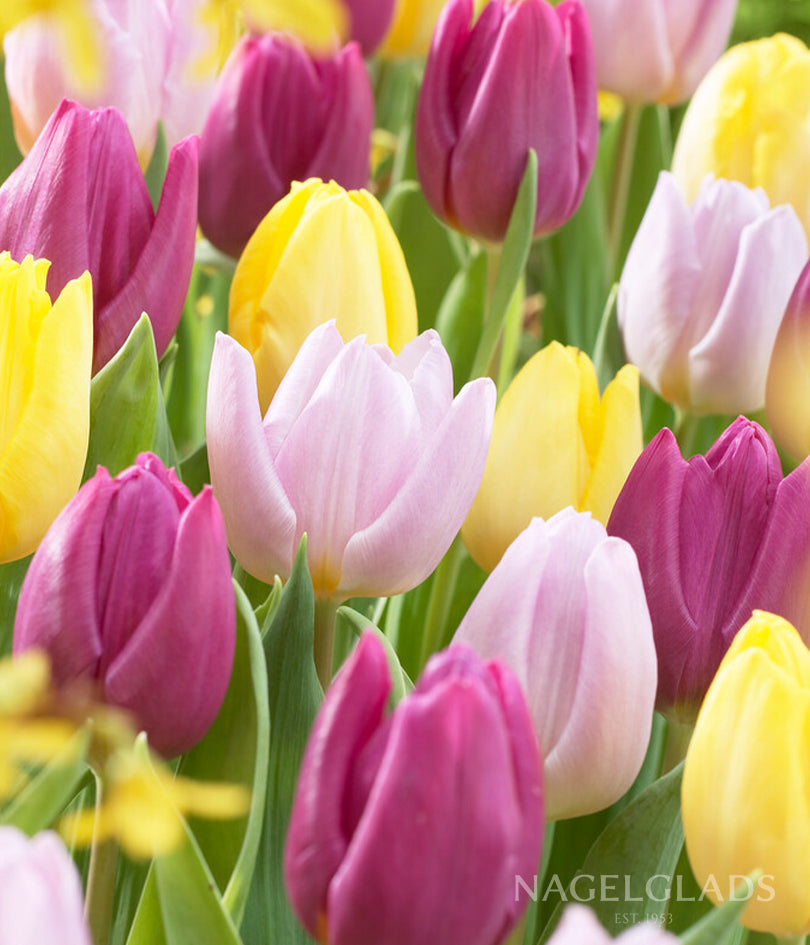
While any Tulip can technically grow in a container, some classes and varieties are naturally better suited to pot culture than others. Shorter-stemmed varieties are less vulnerable to wind damage in exposed positions, and varieties with strong stems hold up better without the sheltering effect of surrounding garden plants. Flaming Flag Triumph Tulip Flower Bulbs with their purple-and-white flames create a striking display in a single-variety container planting that reads as bold and intentional. Pretty Princess Tulip Flower Bulbs bring a soft pink with subtle green markings that feels more delicate and romantic in a container setting. Flaming Agrass Triumph Tulip Flower Bulbs offer a warm blend of rose-pink and cream-yellow that photographs beautifully against the natural tones of terracotta or stone. Planting one variety per container and grouping several pots together is one of the most effective ways to create variety in the display while keeping each individual container looking clean and cohesive.
Paperwhites: The Easiest Container Bulb of All
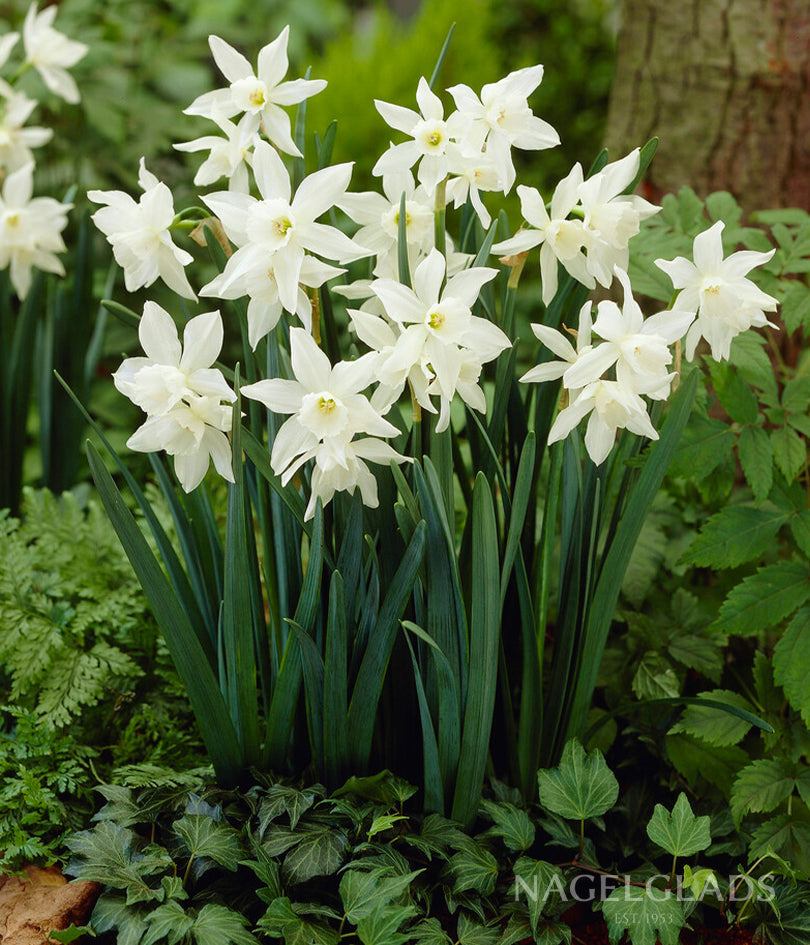
Ziva Paperwhite Flower Bulbs deserve a special mention in any container planting conversation because they are one of the simplest and most satisfying bulbs to grow indoors or in a sheltered outdoor setting. Unlike most other Fall planted bulbs, Paperwhites do not require a cold dormancy period to bloom, which means they can be planted in a pot and placed in a sunny window indoors at any time during the Fall or Winter months. Within three to four weeks of planting, they will produce clusters of small, intensely fragrant white blooms on tall stems that fill a room with one of the most recognizable scents in the bulb world. A few pots of Paperwhites started in succession through the Winter months provide continuous indoor blooms during the coldest, darkest part of the year, and they make a particularly thoughtful homegrown gift during the holiday season.

Soil, Watering, and Winter Care
Use a quality potting mix rather than garden soil for all container bulb plantings. Garden soil compacts in containers, restricts drainage, and can introduce disease organisms that are more problematic in the confined environment of a pot than they would be in the ground. A standard well-draining potting mix works well for most bulbs, and adding a handful of perlite improves drainage further in containers that will spend the Winter outdoors in wet climates.
Water thoroughly after planting and then allow the potting mix to stay lightly moist but never waterlogged through the Fall and Winter months. In cold climates where containers will freeze, moving pots to a sheltered location against a house wall, in an unheated garage, or under a covered porch provides enough protection to prevent the soil from freezing solid while still giving the bulbs the cold period they need. Wrapping containers in burlap or bubble wrap adds an extra layer of insulation in the coldest regions. In mild Winter areas, containers can stay in their display positions throughout the season with minimal intervention.
Ranunculus in Containers: A Warm Climate Favorite
For gardeners in warmer regions or anyone willing to provide a sheltered position, Rainbow Mixed Ranunculus Flower Bulbs and Pastel Ranunculus Flower Bulbs are exceptionally beautiful in container plantings. Their layered, rose-like blooms in a wide range of soft and vivid colors produce some of the most photographed Spring container displays on garden blogs and social media for good reason. Plant the claw-shaped tubers four to six inches apart in a well-draining mix and keep the container in a spot that receives full sun. In colder climates, starting Ranunculus in containers allows them to be moved to a sheltered position during hard freezes and brought back out as temperatures moderate in early Spring.

Top 5 Tips for Growing Spring Bulbs in Containers
- Choose containers at least twelve inches deep with reliable drainage holes
- Use the layering technique to fit three bloom phases into a single pot Plant bulbs more densely in containers than you would in the ground for a full, generous display
- Move containers to a sheltered spot in the coldest Winter months to prevent soil from freezing solid
- Start Ziva Paperwhite Flower Bulbs in succession indoors for continuous Winter blooms without a cold period
Spring Starts in a Pot
Container planting is one of the most accessible and immediately rewarding ways to enjoy Spring bulbs, and the results in a well-planted pot can be every bit as beautiful as a full garden border. A few generous containers of Tulips, Daffodils, and Hyacinth on a porch or patio transform the entrance to a home when Spring arrives, and the planning and planting that makes it happen takes no more than an afternoon. Browse the full range of Fall Planted Bulbs and pre-order now while the complete selection of varieties is still available. Your Spring display is just a few pots and a Fall afternoon away.