Log in



The First Signs Appear Before the Weather Fully Shifts
Late winter often brings a strange mix of cold mornings and brighter afternoons. This is the moment when early spring bulbs begin to show subtle but unmistakable signs of growth. Shoots emerge while the soil is still cool, relying on stored energy rather than warm air. These early developments signal that the growing season has begun, even if winter has not fully released its hold. Gardeners who notice these early changes know that momentum is already building underground.
Why Early Blooming Bulbs Matter in the Garden
Early spring bulbs provide structure and color at a time when most landscapes still look bare. Their growth pattern takes advantage of cool soil temperatures and increasing daylight. This timing allows them to complete much of their growth before heat becomes a factor. Because of this, early bloomers often show strong stems and reliable flowering. They also create a visual bridge between winter dormancy and the full energy of spring.
Tulips That Perform Well Early in the Season
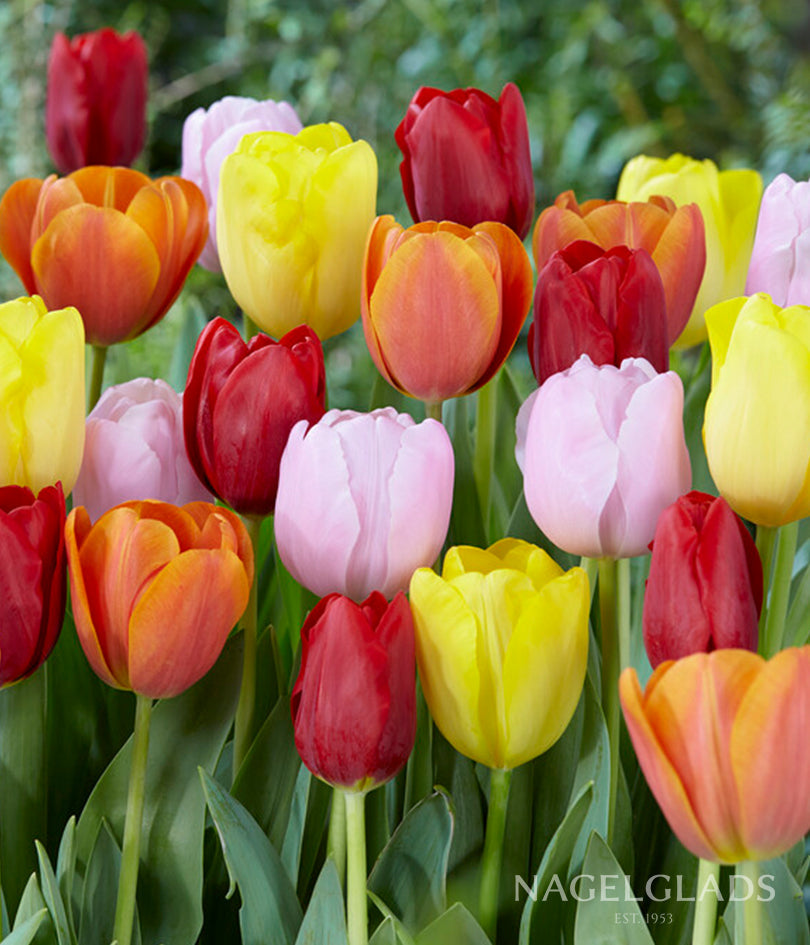
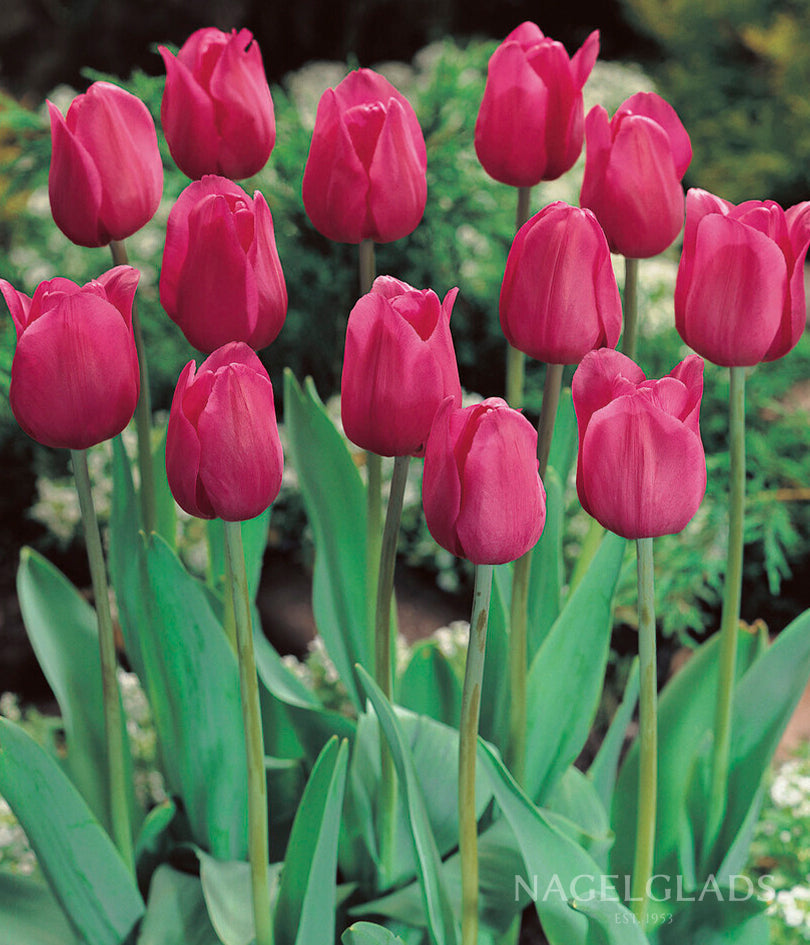
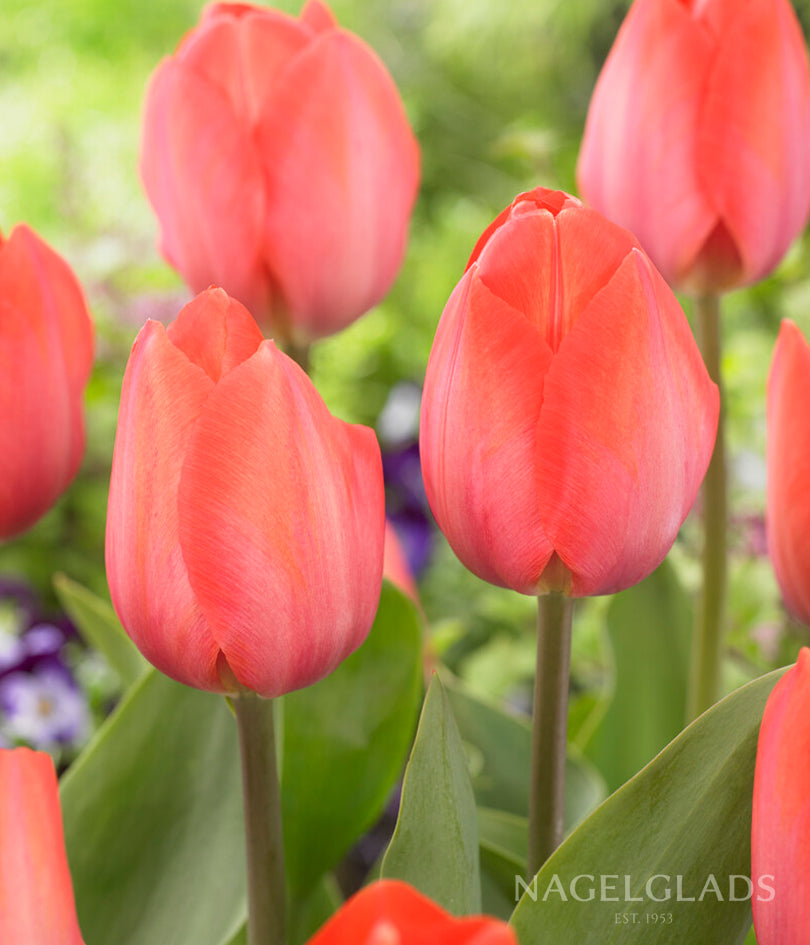
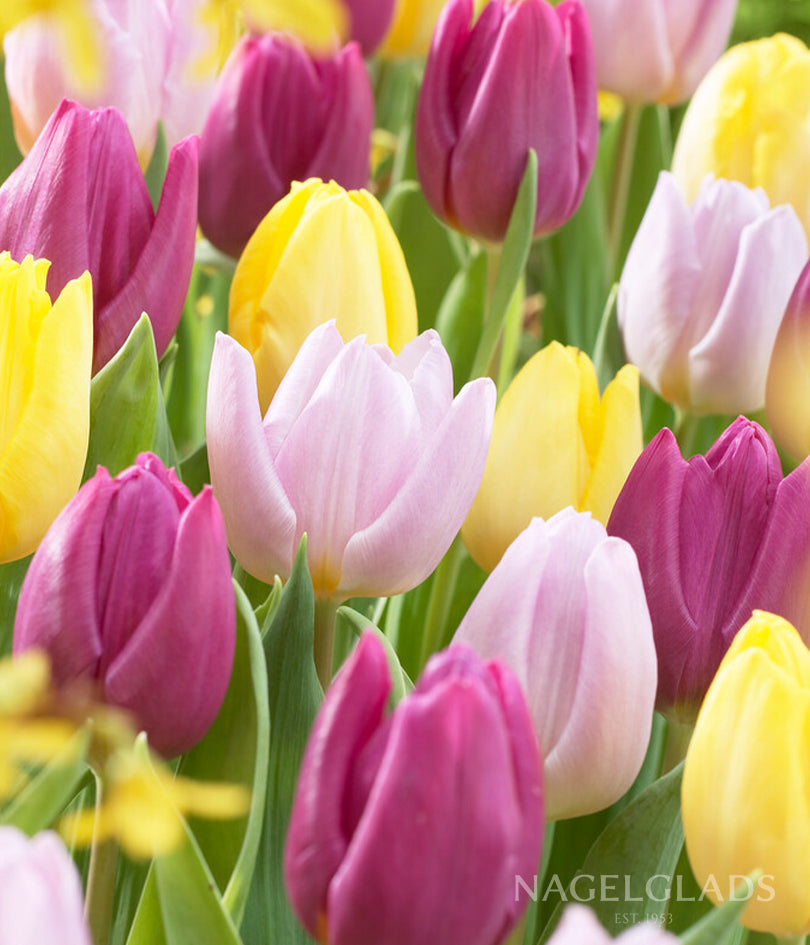
Certain Tulip groups are especially well suited to early spring conditions. Triumph Tulips tend to flower reliably in cool weather and hold their shape through temperature swings. Varieties like Strong Gold Triumph Tulips, Happy Generation Triumph Tulips, and Ile de France Triumph Tulips provide bold color while maintaining consistent bloom form. Darwin Tulips also emerge early and perform well as soil temperatures slowly rise. Novi Sun Darwin Tulips are a strong example of this early-season reliability.

Fragrance and Form in Cool Spring Conditions
Early blooms are not only about color but also about presence. Hyacinths and select Tulips offer fragrance that carries easily through cool air. Mixed Pastel Hyacinth Flower Bulbs introduce scent without relying on warm temperatures. Cool air slows evaporation, allowing fragrance to linger longer around the garden. This combination of form and fragrance creates a noticeable shift in the outdoor environment.
How Soil Temperature Influences Early Blooming
Soil temperature plays a larger role than air temperature in early spring performance. Bulbs respond to gradual warming underground rather than sudden warm days. When soil remains cool but unfrozen, root activity continues steadily. This helps support consistent growth once shoots appear. Early spring bulbs are adapted to work within this narrow temperature window, which is why they often outperform later plantings during unpredictable weather.
Reliable Early Color Without Constant Maintenance
One of the advantages of early spring bulbs is their low maintenance requirement. Once planted correctly, they rely on stored nutrients to complete their bloom cycle. Minimal watering is needed when soil moisture remains consistent from winter precipitation. Overwatering during cool weather can cause problems, so restraint is often beneficial. This makes early bloomers well suited for gardeners who prefer a steady, hands-off approach in late winter.

Early Bloomers in Mixed Plantings
Early spring bulbs also work well when layered with later emerging plants. Their foliage develops early and begins to fade as perennials and annuals take over. This natural transition helps keep garden beds visually balanced. Mixing early Tulips with later summer bulbs allows for extended seasonal interest. This approach supports continuity without overcrowding planting space.
Early Spring Bulbs to Watch For
- Strong Gold Triumph Tulips for dependable early color
- Happy Generation Triumph Tulips for soft contrast and form
- Ile de France Triumph Tulips for bold red blooms
- Novi Sun Darwin Tulips for strong stems and early emergence
- Mixed Pastel Hyacinth Flower Bulbs for fragrance in cool air
Planning Now for What Comes Next
Early spring bulbs help gardeners assess soil conditions, drainage, and exposure. Observing how these bulbs perform provides valuable information for future plantings. Areas that warm evenly and drain well often show stronger early growth. This insight becomes useful when planning for later spring and summer varieties.