Log in



Why Color Feels Different at the Start of the Season
Early spring light changes how color is perceived in the landscape. Lower sun angles and cooler temperatures soften contrasts and slow visual fatigue. Colors that may feel intense in summer often appear balanced and welcoming in early spring. This shift explains why certain hues feel especially satisfying after months of muted winter tones. Garden color choices made for early spring benefit from this natural visual reset.
How the Eye Responds After Winter
After extended periods of gray and brown, the eye becomes more sensitive to variation. Even modest color changes register strongly in early spring. Yellow, white, soft pink, and pale lavender tend to stand out without overwhelming the space. These hues read clearly in cooler light and overcast conditions. Early bloom color works best when it complements the environment rather than competing with it.
Yellow as a Signal of Seasonal Change
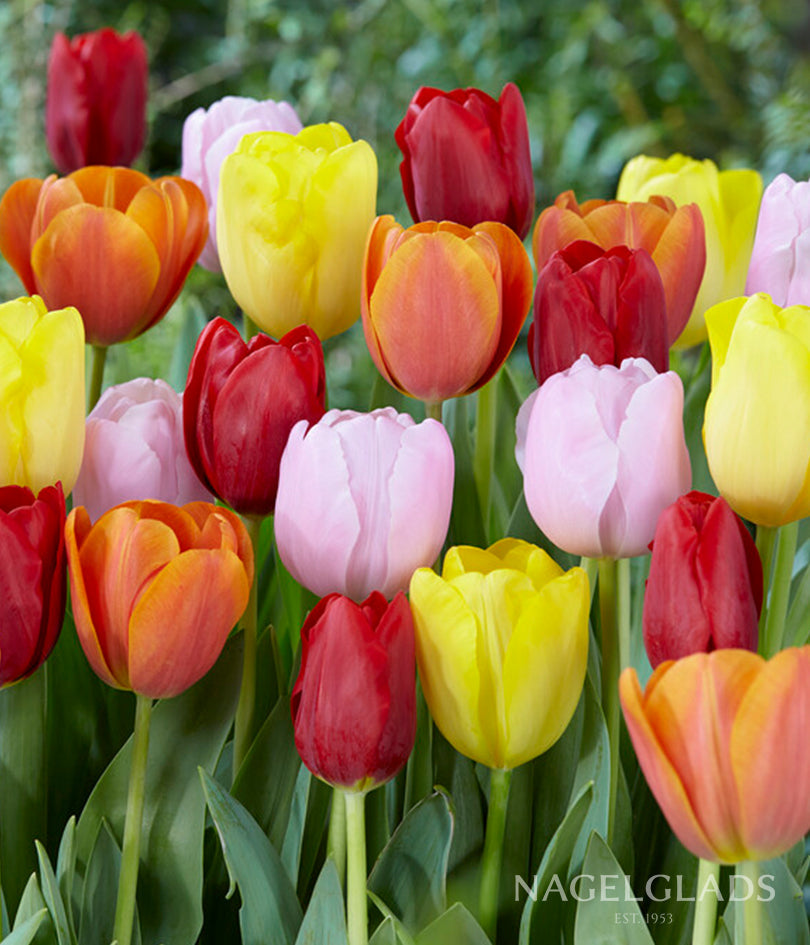
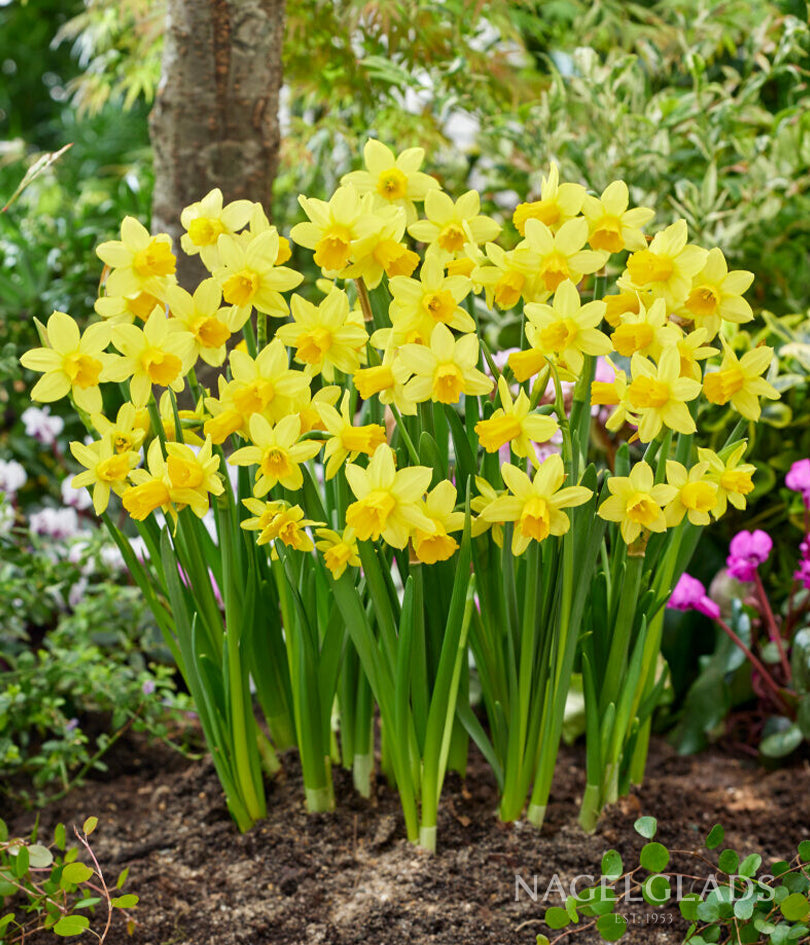
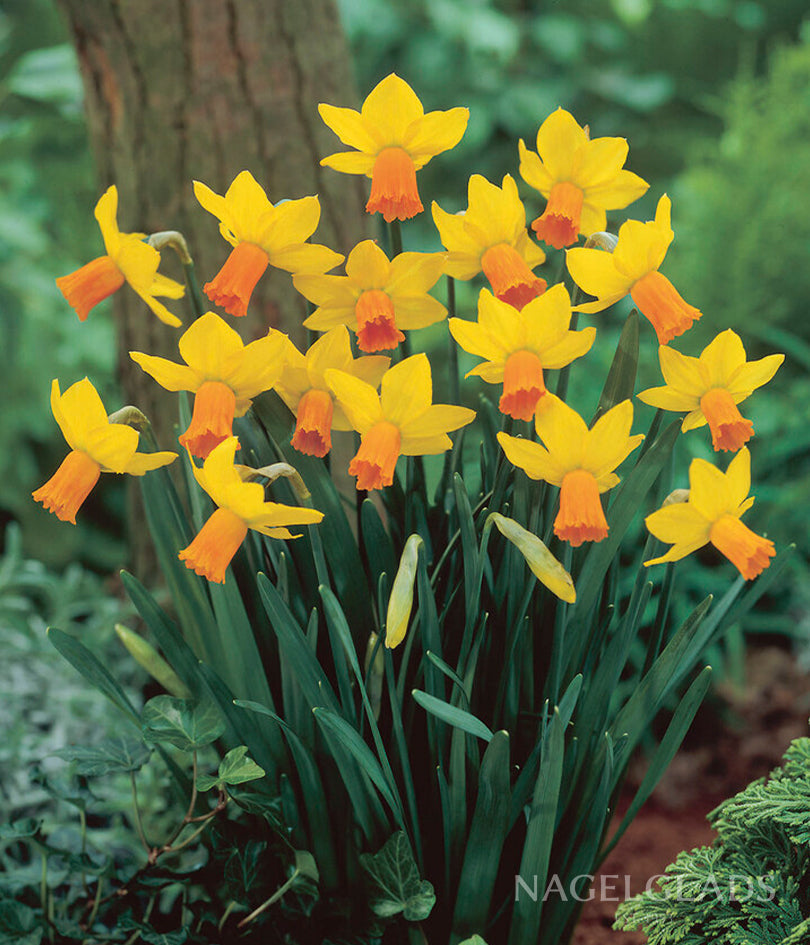
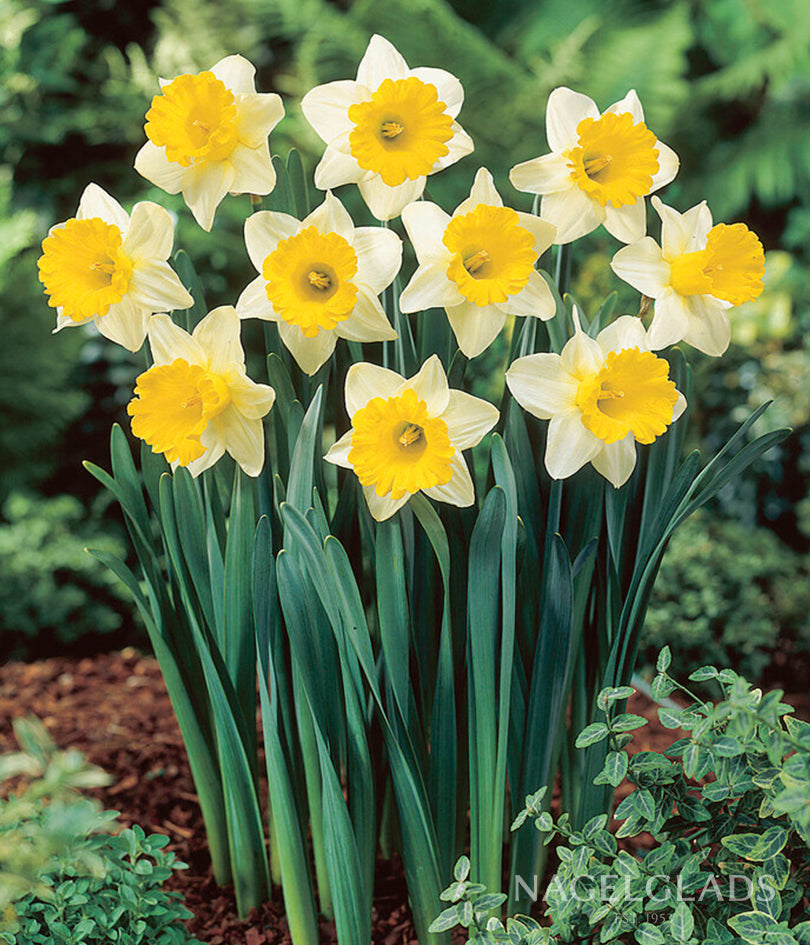
Yellow flowers often dominate early spring gardens for practical reasons. The color remains visible in low light and against dormant landscapes. Varieties like Strong Gold Triumph Tulips and Yellow Pomponette Double Tulips provide clarity and warmth without appearing harsh. Yellow also pairs easily with surrounding stone, mulch, and emerging greenery. This makes it one of the most reliable choices for signaling the season’s shift.
White and Cream Create Visual Breathing Room

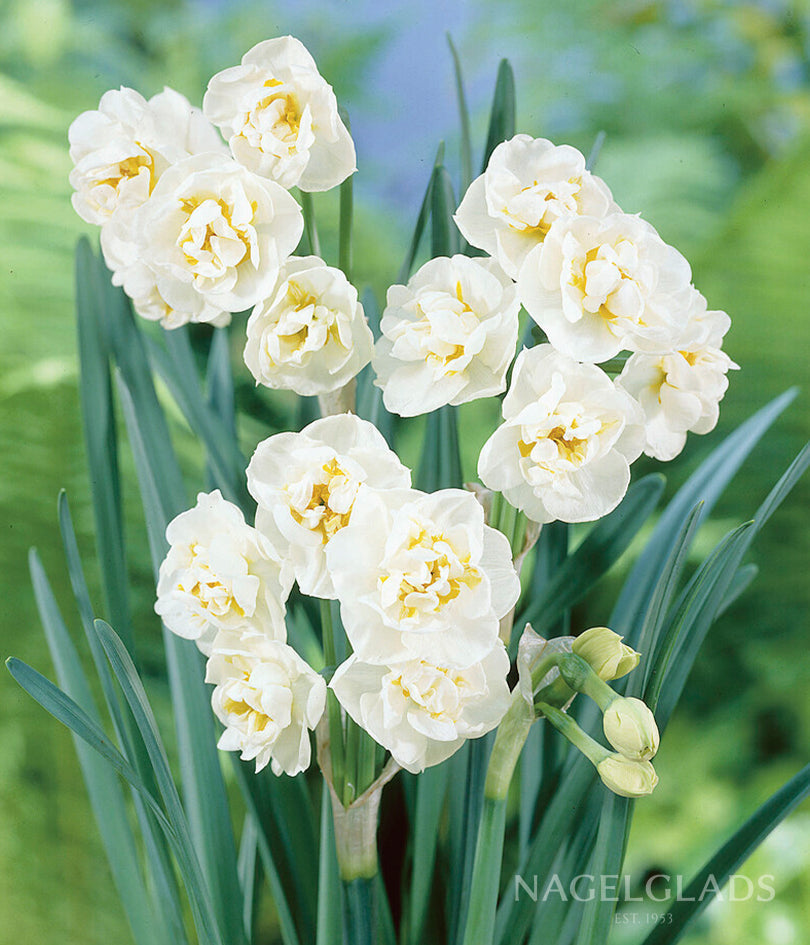
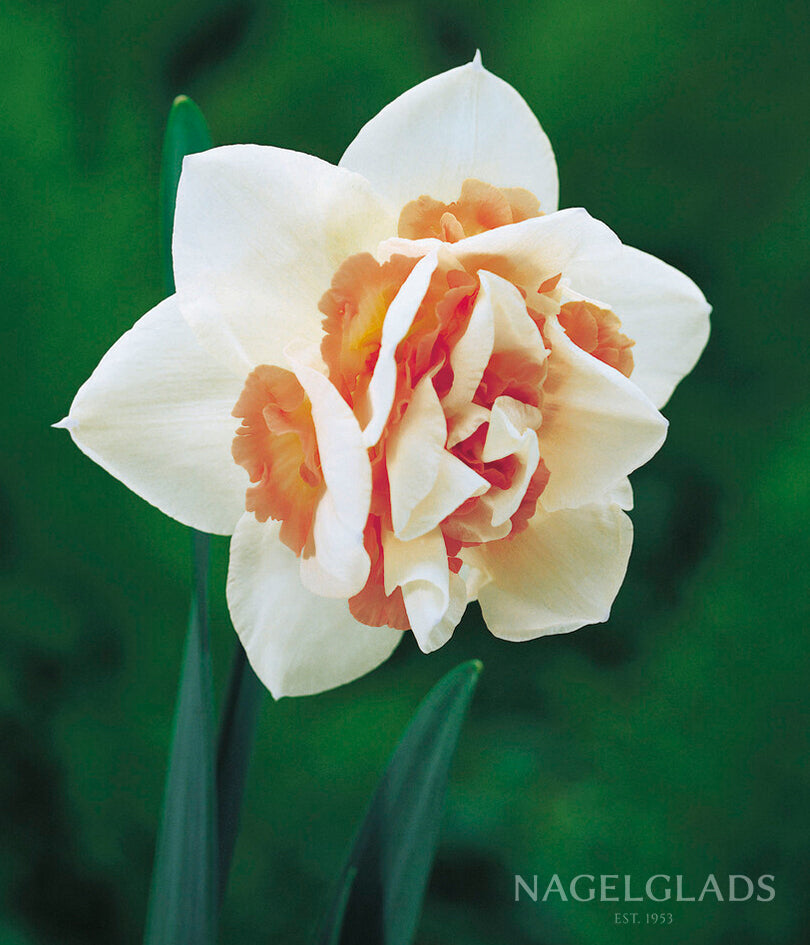
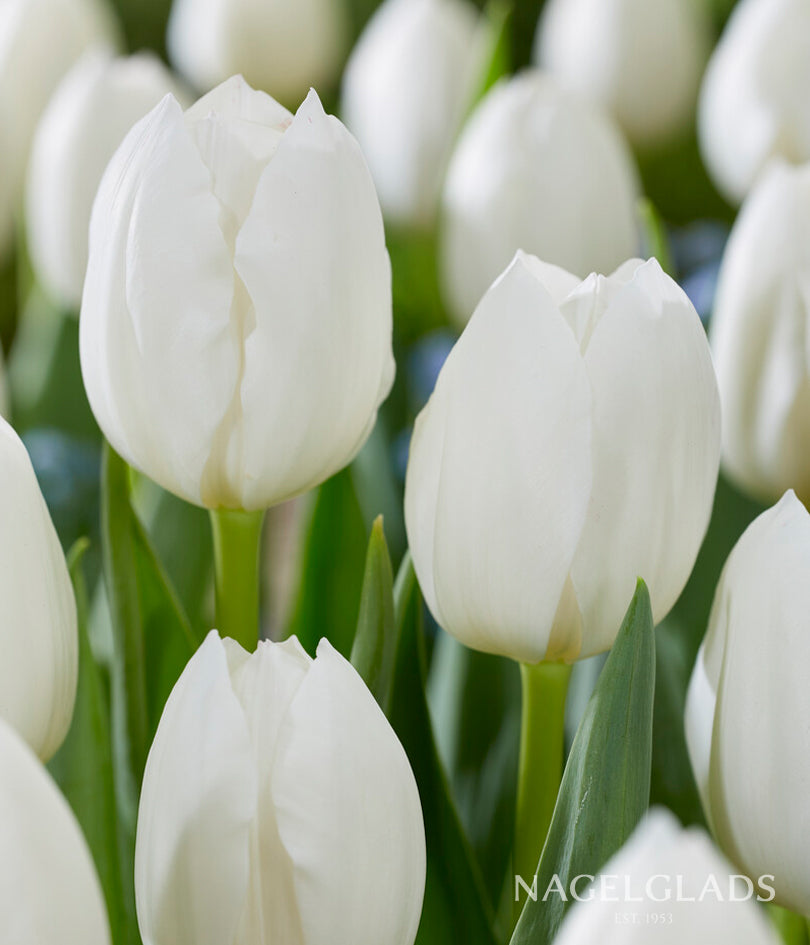
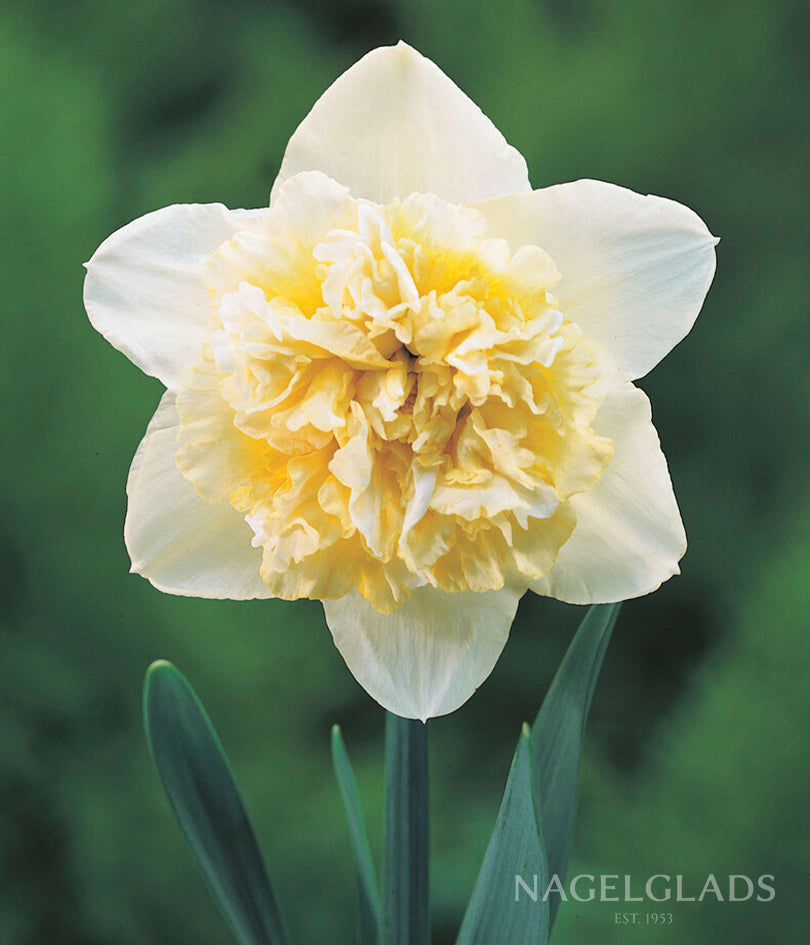
White and soft cream tones offer contrast without intensity. In early spring, these colors help define garden structure and edges. Royal Virgin Triumph Tulips and Mondial Double Tulips bring brightness while maintaining a calm visual rhythm. White flowers also reflect available light, which helps small garden spaces feel more open. Their presence balances stronger colors nearby.
Soft Pinks and Pastels Set a Measured Tone
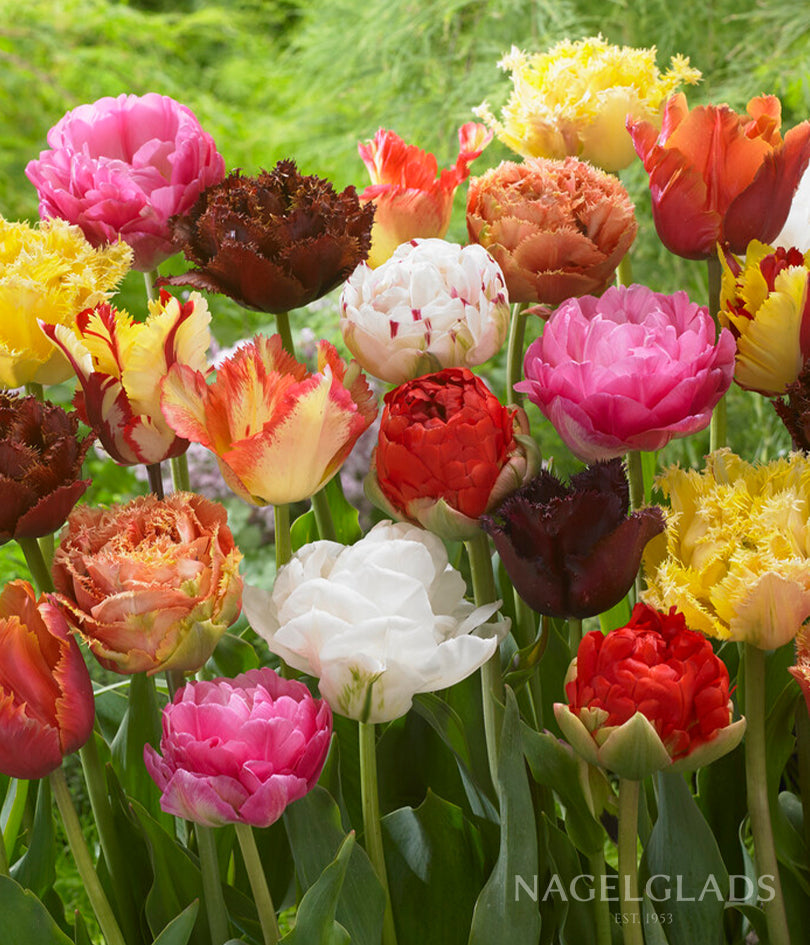
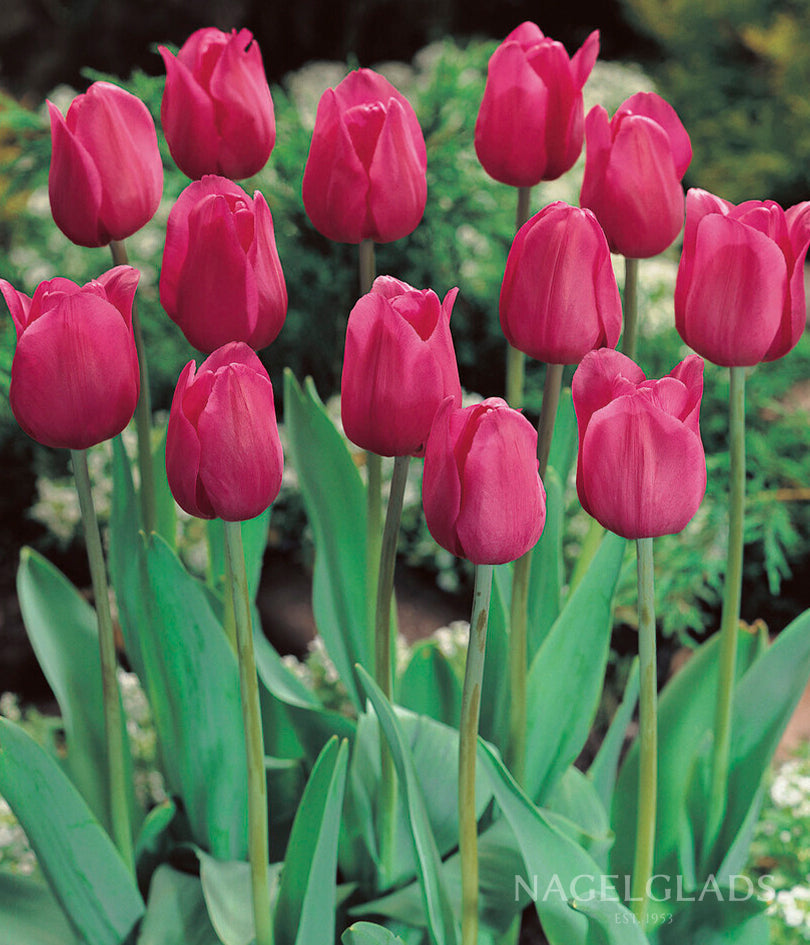
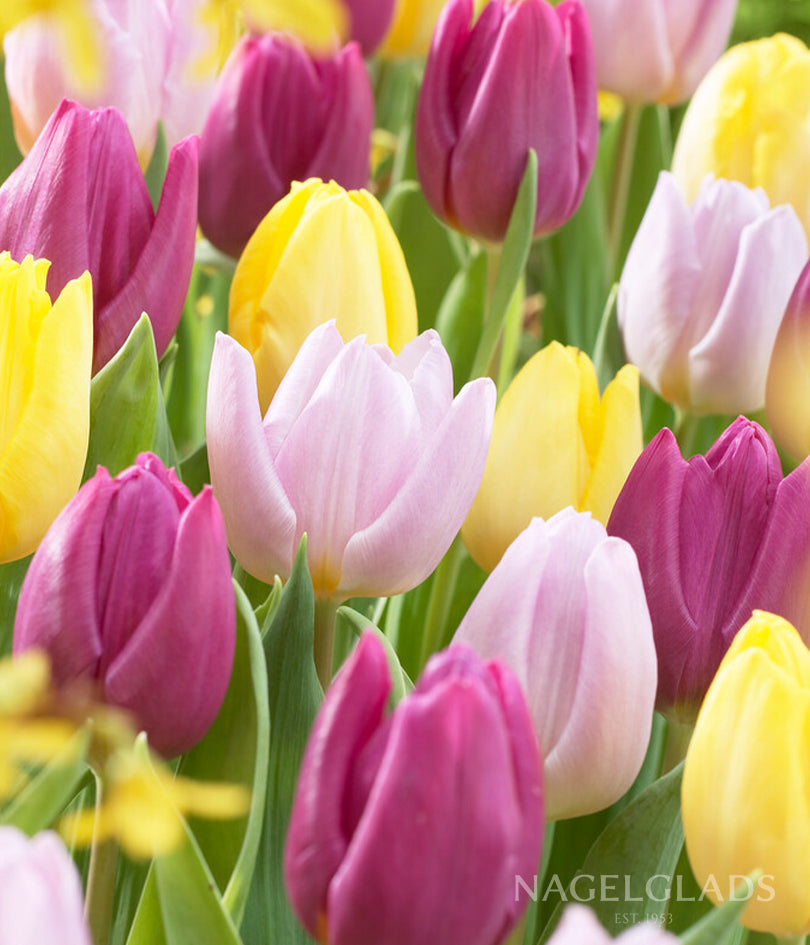
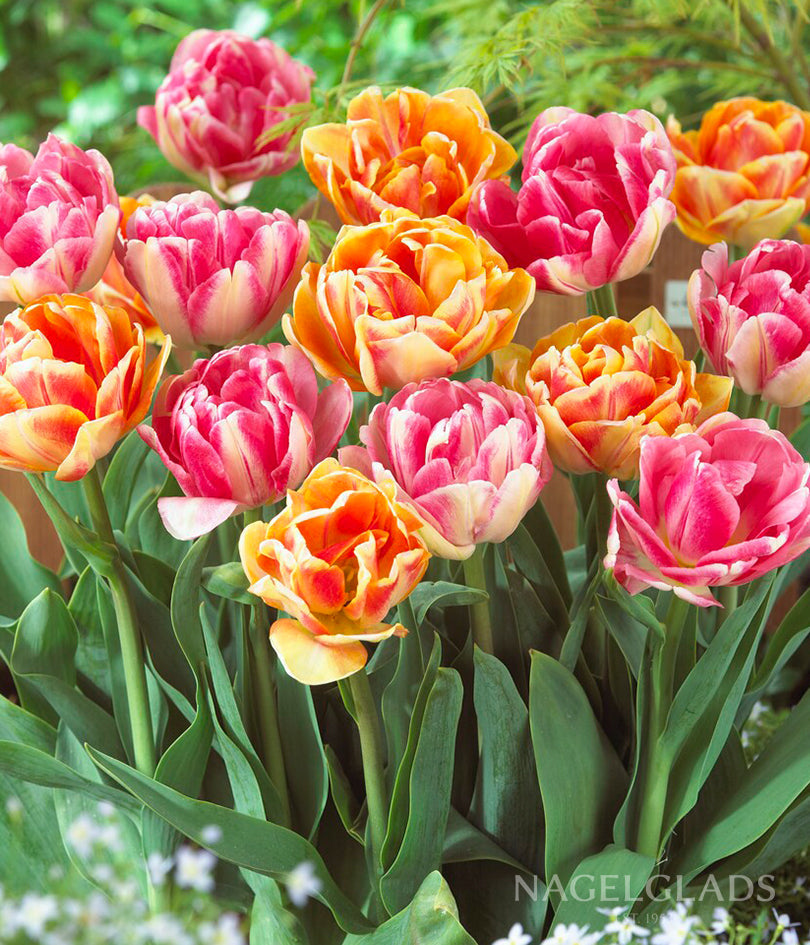
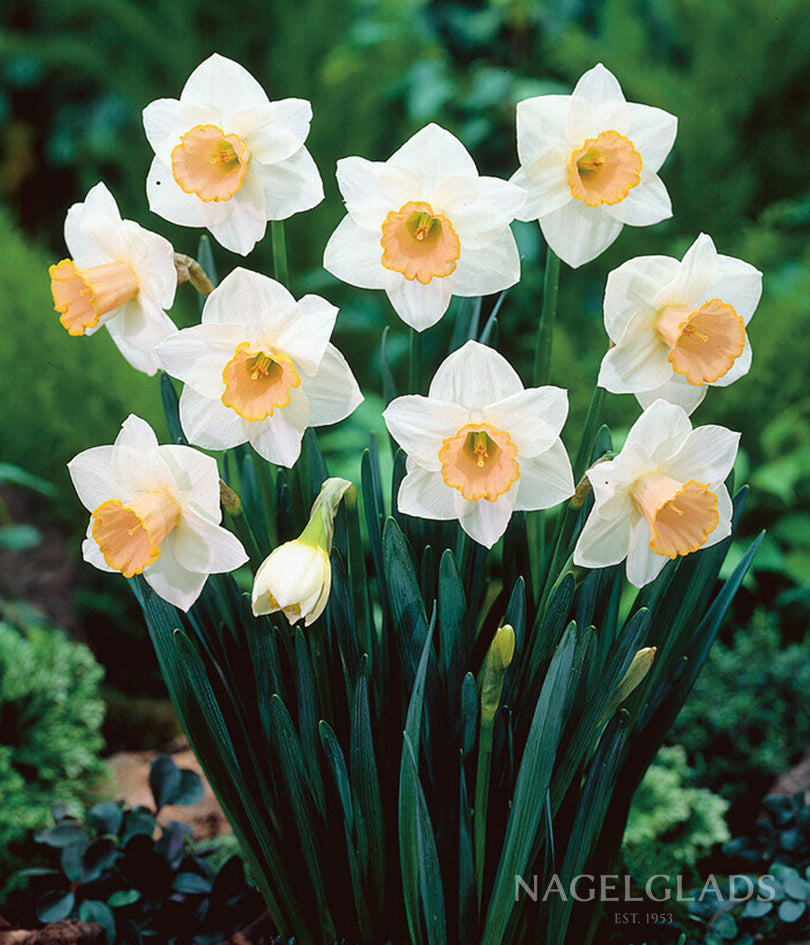
Pastel shades work especially well during early spring’s transitional period. Pink and blush tones feel grounded rather than decorative when temperatures remain cool. Happy Generation Triumph Tulips, Foxtrot Double Tulip Mix, and Mixed Pastel Hyacinth Flower Bulbs offer layered color without sharp contrast. These hues blend smoothly with early foliage. The result feels intentional and cohesive.
Dark Colors Used With Restraint
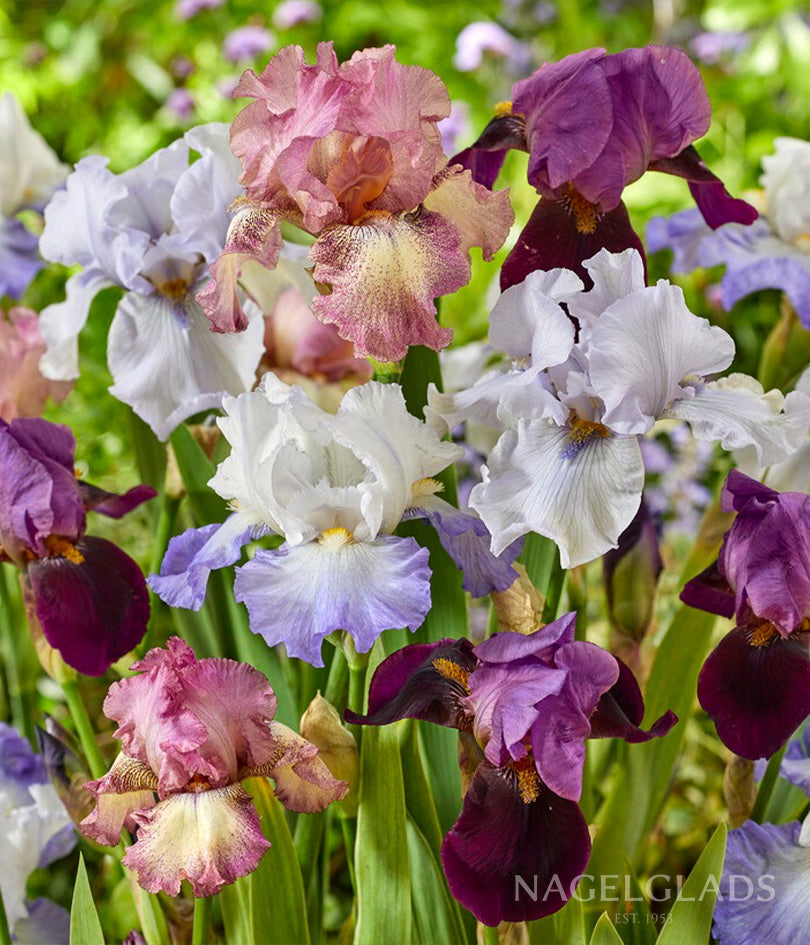
Deep purples and near-black flowers require careful placement early in the season. While dramatic, they can absorb light in cool conditions. Varieties like Queen of Night Single Late Tulips perform best when paired with lighter companions. Used sparingly, darker blooms add depth rather than heaviness. Early spring favors contrast through balance rather than dominance.
Color Choices and Emotional Response
Color psychology in gardening often mirrors environmental cues. Early spring colors tend to support clarity, focus, and optimism. Lighter hues encourage visual movement across the garden rather than drawing attention to a single point. This creates a sense of expansion as the season opens. Gardeners often respond positively to spaces that feel open and evenly paced.

Mixing Colors for Continuity
Early spring color planning works best when viewed as the first chapter rather than the full story. Choosing colors that transition easily into later plantings helps maintain continuity. Yellows and whites pair well with later blues, greens, and reds. Pastels fade gracefully as stronger summer colors emerge. This approach avoids abrupt visual shifts.
Top 5 Color Choices for Early Spring Gardens
- Yellow for visibility and warmth in cool light
- White for contrast and spatial clarity
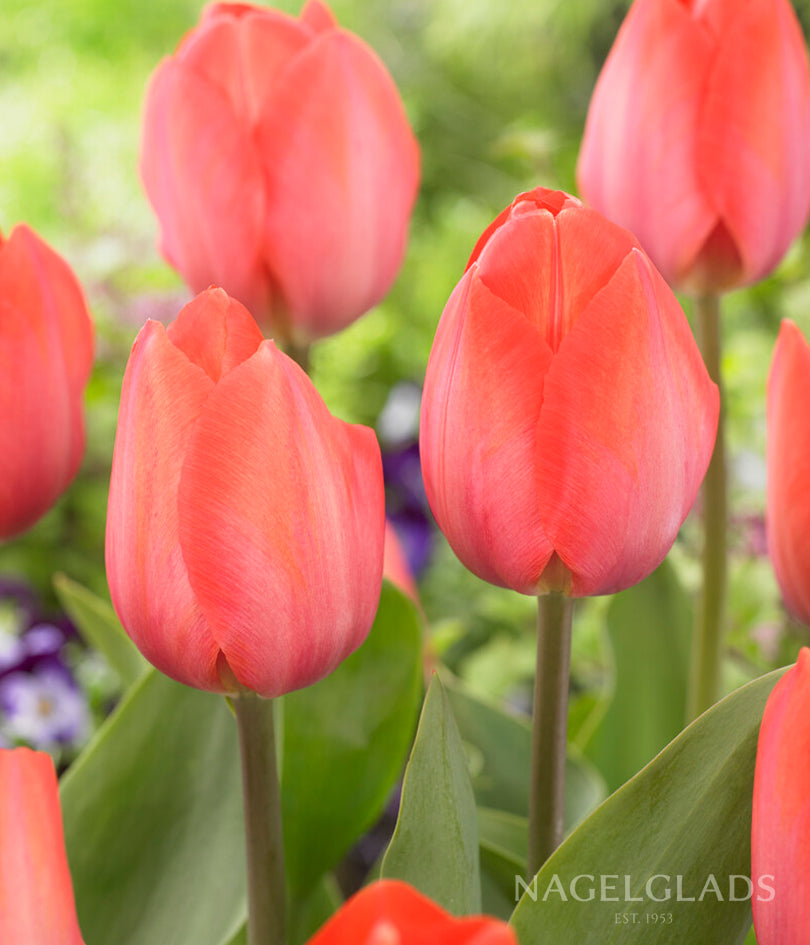
- Soft pink for gentle seasonal transition
- Pale lavender for depth without heaviness
- Limited dark tones for structure and balance
Letting the Season Lead the Palette
Early spring gardens benefit from restraint rather than excess. Color works best when it reflects the environment instead of overpowering it. Paying attention to light, soil tone, and surrounding materials helps guide better choices. Flowers selected for early spring set expectations for the season ahead. When color aligns with timing, the result feels steady and intentional.