Log in



The Flower That Deserves to Be in Every Garden
When most gardeners plan their Fall bulb orders, Tulips and Daffodils come to mind first. That makes sense, as both are beautiful and iconic. But there is a flower in the same planting season that offers something genuinely different, and it tends to go overlooked until the gardener who finally plants a few realizes what they have been missing. Allium, the ornamental onion, produces some of the most architecturally striking blooms available from any Fall-planted bulb. The flower heads are sculptural, the bloom period is long, pollinators are drawn to them in remarkable numbers, and the list of things that can go wrong with them is refreshingly short. If there is one flower in the Nagel Glads Fall catalog that more gardeners should be planting, Allium is it.
What Makes Allium So Special
Allium blooms in late Spring through early Summer, which places it at a point in the season where most other Spring bulbs have already finished and Summer flowers have not yet arrived. This timing alone makes Allium valuable, as it fills a gap in the garden calendar that would otherwise go quiet for several weeks. But the real appeal is the bloom form itself. Allium flower heads are composed of dozens or even hundreds of tiny, star-shaped individual florets clustered together into spherical or semi-spherical shapes that rise on tall, clean stems above the surrounding foliage. The effect is bold, geometric, and unlike anything else blooming at the same time. A single Allium globe in a mixed border catches the eye in a way that a grouping of ten Tulips nearby might not, and a drift of a dozen or more planted together creates one of the most dramatic effects available from any bulb at any time of year.
Purple Sensation: The Variety That Changes Minds
If you have never grown Allium before, Purple Sensation Allium Flower Bulbs are the place to start. They produce large, tightly packed spherical flower heads in a rich, deep violet-purple on sturdy stems that typically reach twenty-four to thirty inches in height. The color is saturated and consistent, reading powerfully from across the garden and photographing beautifully at any time of day. Purple Sensation is also one of the most reliable and vigorous Allium cultivars available, naturalizing well in most garden soils and returning with increasing strength each season. Planted in groups of ten or more, they create a display that genuinely stops people in their tracks the first time they see it. This is the variety that converts gardeners who never considered Allium into gardeners who order them every Fall without hesitation.

Azureum: True Blue in the Late Spring Garden
Genuine blue is one of the rarest colors in the flower garden, which makes Azureum Allium Flower Bulbs a particularly valuable addition to any Spring planting plan. Also known as Allium caeruleum, this variety produces smaller, more delicate spherical heads of starry blue florets on slender stems that reach roughly twelve to twenty-four inches. The scale is more intimate than Purple Sensation, making Azureum especially well suited to the front of borders, rock gardens, and naturalized plantings in smaller spaces where its detail can be appreciated up close. The blue tone is remarkably clear and true, sitting beautifully alongside soft yellows, whites, and the deeper purples of its larger Allium relatives. Azureum naturalizes readily in well-drained soil and increases steadily each season, making a small initial planting noticeably more impressive with each passing year.
Multibulbosum: The White Allium Worth Knowing
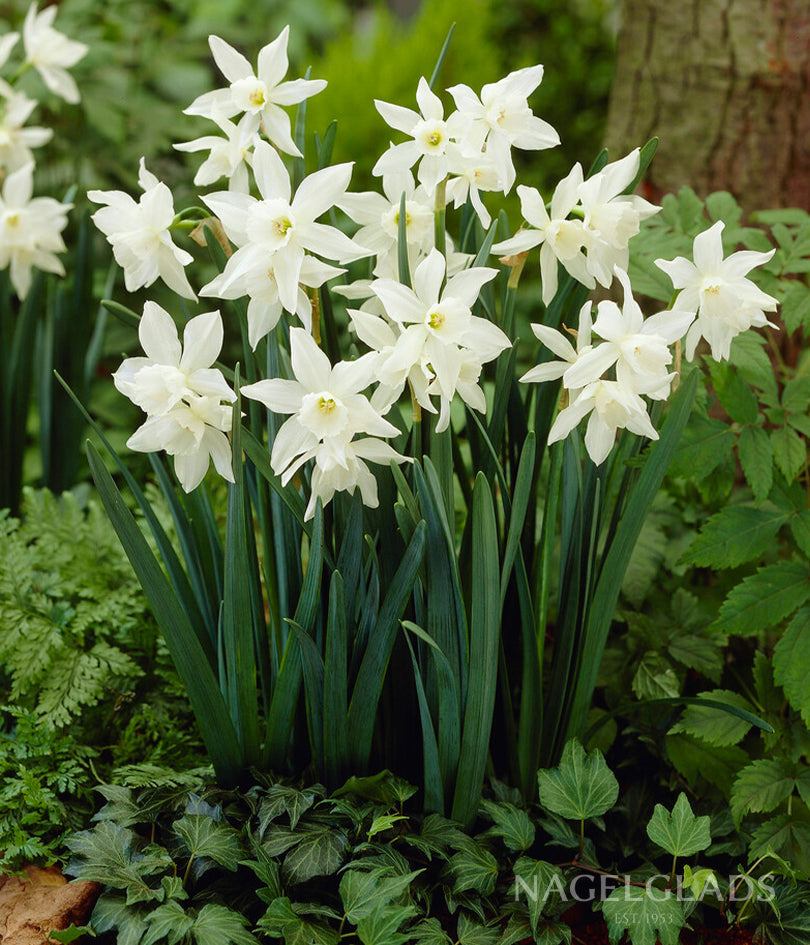
For gardeners who want the architectural impact of Allium without the purple and blue tones, Multibulbosum Allium Flower Bulbs bring a completely different color presence to the late Spring garden. This variety produces large, rounded flower heads in creamy white with subtle green markings at the center of each tiny floret, creating a softer, more ethereal effect than the saturated tones of Purple Sensation. The white-and-green coloring makes Multibulbosum an exceptionally versatile companion for almost any Spring palette, and it pairs particularly well with late-blooming white and pink Tulips and the pure white blooms of Thalia Daffodils for a tone-on-tone planting that feels elegant and intentional without demanding attention the way bolder colors do.
Mixed Allium for Easy Variety
Allium Mixed Flower Bulbs offer the simplest way to introduce multiple Allium types into a planting without selecting individual varieties. A mixed order includes a range of bloom sizes, heights, and tones that create a varied and visually interesting display from a single purchase. For gardeners who are new to Allium and want to discover which types appeal most before committing to larger quantities of a specific variety, the mixed option provides a low-risk and genuinely enjoyable introduction.

Why Pollinators Love Allium
Few ornamental flowers attract pollinators as consistently and abundantly as Allium. The densely packed flower heads are rich in nectar and pollen, and on a warm late Spring afternoon a single Allium globe can be covered in bees and butterflies simultaneously. Planting Allium in a garden that already includes other pollinator-friendly species creates a continuous food source across the season that supports native bee populations and encourages regular pollinator visits to nearby flowering plants. For gardeners who value the presence of wildlife in their gardens and want to create a space that feels alive and connected to the natural world around it, Allium is one of the most effective and beautiful tools available.
The Easiest Flower to Grow
Allium requires remarkably little from the gardener beyond the initial planting. The bulbs go in the ground in Fall, planted at a depth of roughly twice the height of the bulb with the pointed end facing up, in any well-drained soil in a full sun location. Once planted, they need no special care through the Winter and will emerge and bloom the following Spring with no additional intervention. They are drought tolerant once established, unbothered by most pests and diseases, and completely resistant to deer, rabbits, and rodents thanks to the sulfur compounds that give the entire onion family its distinctive scent. Squirrels will not dig them up. Deer will not browse the foliage or the blooms. Voles will leave them alone entirely. For gardeners who struggle with wildlife pressure, this combination of beauty and complete resistance is genuinely rare and exceptionally valuable.
Allium as a Companion Plant
Beyond their own visual and ecological value, Allium can play a practical protective role when planted alongside more vulnerable bulbs. Interplanting Allium throughout a bed of Tulips may help deter squirrels and deer from the Tulip section of the planting, as the onion-family scent permeates the surrounding soil and foliage. This companion planting approach is not a guaranteed barrier on its own, but combined with other protection methods it adds a meaningful layer of defense while also producing some of the most visually interesting combinations in the late Spring garden. Purple Sensation Allium rising above a bed of late-blooming Tulips is not just beautiful in its own right but serves a functional purpose in protecting the planting around it.

The Dried Seed Heads Are Beautiful Too
One of the unique qualities of Allium is that the show does not end when the blooms fade. The dried seed heads that remain on the stems after flowering hold their spherical shape for weeks, creating a striking skeletal architecture in the Summer garden that many gardeners find just as appealing as the original bloom. Left standing, they add a sculptural quality to the border through midsummer and into Fall. Cut and brought indoors, they make exceptional dried flower arrangements that last for months without any maintenance at all. This extended period of visual interest is something very few other Spring-blooming bulbs can match, and it adds genuine season-long value to every Allium planted.
Top 5 Reasons to Add Allium to Your Fall Bulb Order
- They bloom in late Spring when most other bulbs have finished, filling the seasonal gap before Summer flowers arrive
- They are completely resistant to deer, rabbits, squirrels, and voles
- They attract bees and butterflies in remarkable numbers throughout their bloom period
- They naturalize and expand each year with no replanting or special care required
- The dried seed heads remain beautiful in the garden and in arrangements for months after blooming
The Flower You Will Wish You Had Planted Sooner
Every gardener who plants Allium for the first time says the same thing the following Spring: they wish they had planted more. The combination of bold architectural beauty, effortless growing requirements, complete wildlife resistance, and genuine pollinator value makes Allium one of the most rewarding Fall-planted bulbs in the entire Nagel Glads catalog. Browse the full range of Fall Planted Bulbs and add Purple Sensation, Azureum, Multibulbosum, or Allium Mixed to your pre-order while the season's best selection is still available. Your late Spring garden will thank you for it next year.