Log in



The Value of Paying Attention
Late August has a quality unlike any other time in the gardening year. The pace is slower. The light is warmer. The beds are full and layered in a way that only happens after months of growth, and the garden is showing you everything it has to offer in a single generous sweep. This is the moment when slowing down and really looking at what the season has produced is one of the most useful things a gardener can do. Not in a checklist way, but in a quieter, more observational way that records what worked, what surprised you, and what you want to carry forward into next year's planning. A garden journal kept even loosely through these final weeks of Summer becomes one of the most valuable tools you own by the time Fall ordering begins.
What to Notice About Color
The colors that made you happiest this Summer are worth recording with specificity. Not just "I liked the pink Gladiolus" but which pink, where it was planted, and what was growing nearby that made the combination feel right. The difference between a soft blush Gladiolus in front of dark green foliage and the same variety planted beside bright yellow Dahlias is the difference between two entirely different emotional experiences in the garden, and those details fade quickly once the season ends. Note which colors caught your eye from the kitchen window and which looked best in the evening light. Note whether the bold, saturated tones you were drawn to in the catalog last Spring turned out to be as satisfying in the garden as they looked on screen, or whether the quieter tones ended up being the ones you loved most.
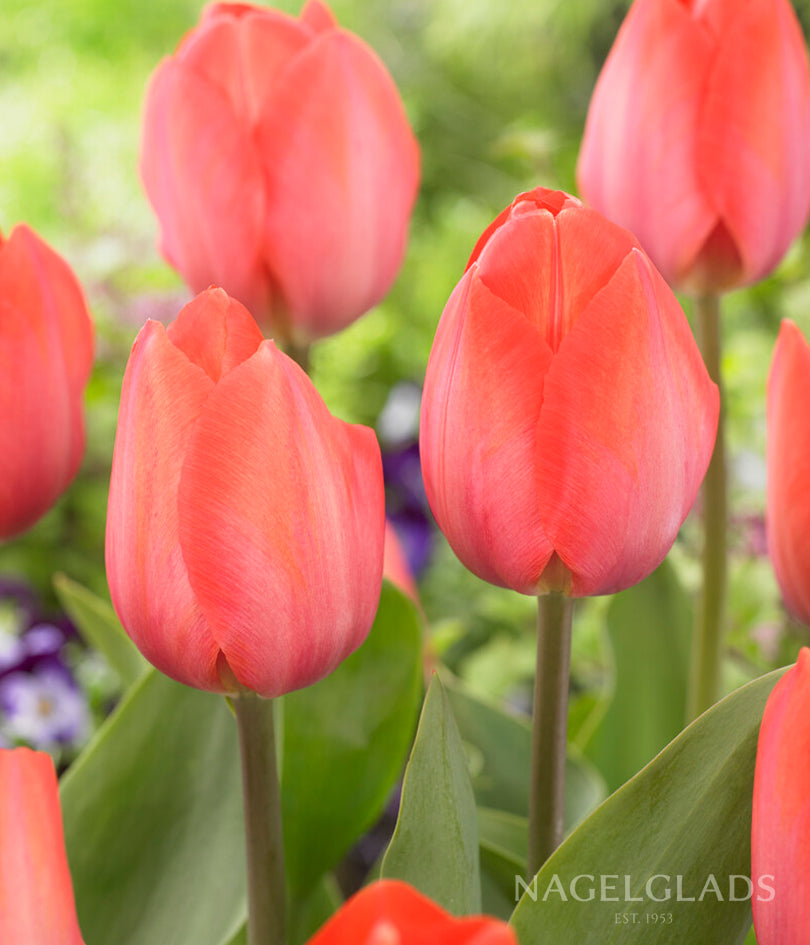
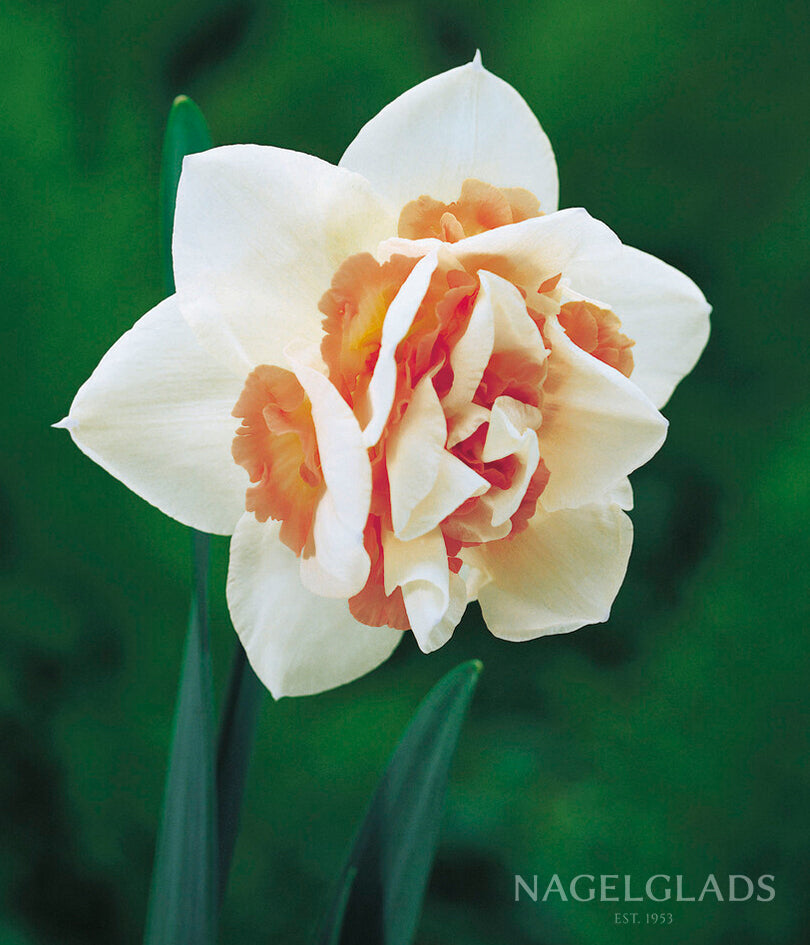
These observations have direct value when Fall ordering begins. If the warm peach and apricot tones in your Summer garden turned out to be the colors you reached for most when cutting, varieties like Apricot Foxx Triumph Tulip Flower Bulbs and Salome Daffodil Flower Bulbs carry that same warmth into next Spring. If the deep purples and near-blacks were what made you stop and stare every time you walked past, Queen of Night Single Late Tulip Flower Bulbs and Purple Sensation Allium Flower Bulbs bring that same depth to the Spring palette.

What to Notice About Texture and Form
Color gets most of the attention in garden planning, but texture and form are often what make the difference between a planting that looks good and one that looks truly considered. Walk through the beds this week and notice where you are drawn to contrasts in shape. The places where a round Dahlia bloom sits next to a vertical Gladiolus spike. The spots where the airy branching of Gypsophila softened something that would have felt too dense without it. The way Echinops globes added a geometric element that made everything around them look more interesting.
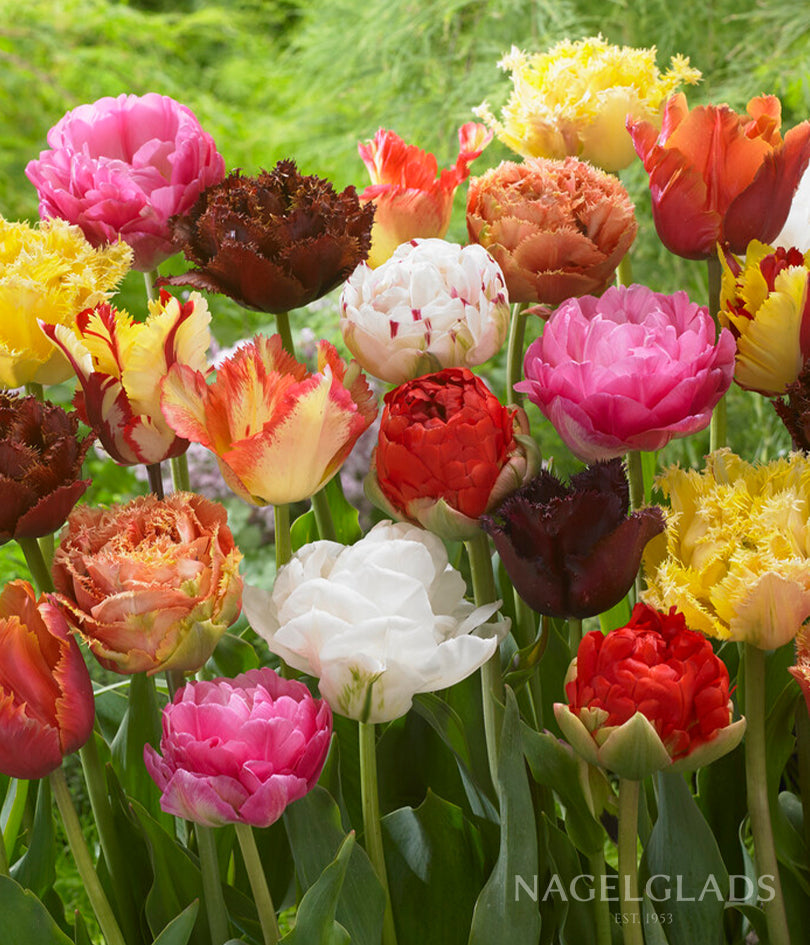
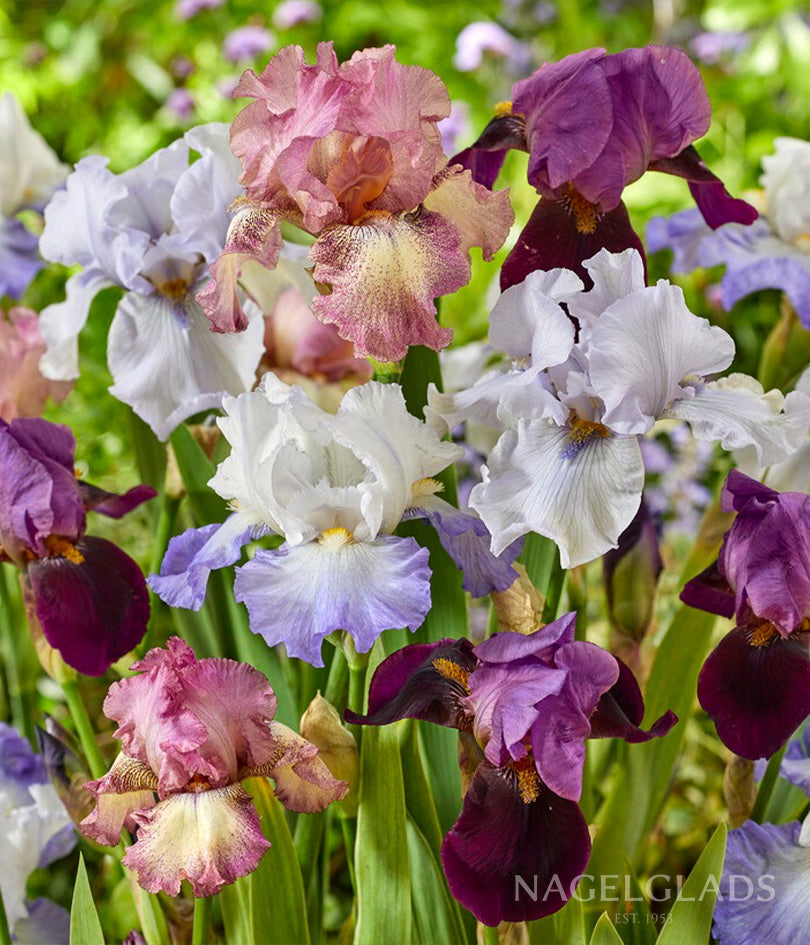
These are the kinds of observations that translate directly into better Fall bulb choices. If you noticed that your Summer garden felt like it needed more height and vertical structure, Multibulbosum Allium Flower Bulbs planted this Fall will bring that same architectural quality to the Spring garden with their large spherical heads on tall stems rising above lower plantings. If the intricate bloom forms were what you loved most about your Dahlias, Parrot Tulip Mix Flower Bulbs bring that same ruffled, painterly complexity to Spring. Mixed Bearded Iris Flower Bulbs add a bloom form to the late Spring garden that no other bulb can replicate, with their layered, orchid-like structure that rewards the kind of close, unhurried looking that August is teaching you to value.
What to Notice About Timing and Sequence
One of the most practical things a garden journal can record in August is the timing of how the season unfolded. Which flowers were at their peak when, and where the gaps appeared. Every garden has a week or two somewhere in the season when the earlier bloomers have finished and the later ones have not quite arrived, and noticing when that gap falls and how long it lasts is the single most useful observation for improving next year's planting plan. Was there a lull in early July before the Dahlias came on? Were the Gladiolus successions spaced well enough to keep fresh spikes coming, or did they all seem to peak at once? Did the Liatris and Crocosmia bloom when you expected them to, or earlier or later than planned?
Recording this kind of timing detail now, while the memory is fresh, makes succession planning for next year far more precise than starting from scratch in the Spring. It also helps with Fall bulb ordering by identifying which bloom windows in the Spring calendar need the most attention. If your garden consistently has a quiet period in late Spring before Summer flowers begin, late-blooming Tulips, Allium, and Bearded Iris planted this Fall fill exactly that gap.

What to Notice About Fragrance
Fragrance is one of the most emotionally powerful qualities in a garden and one of the hardest to recall accurately once the season ends. If Stargazer Lilies scented your July evenings in a way that stopped you mid-step, write that down. If the Phlox along the path released a sweetness after afternoon rain that made you want to linger, note where it was planted and how many plants it took to create that effect. If you walked past the Astilbe and noticed a subtle, honeyed quality you had not expected, record that too.
These sensory memories are the ones that fade fastest and matter most when planning the next season. Mixed Hyacinth Flower Bulbs and Mixed Pastel Hyacinth Flower Bulbs are available for Fall pre-order right now, and adding them to a Spring planting plan while the memory of what Summer fragrance meant to you is still vivid produces choices that feel intentional rather than guesswork.
What to Notice About the Unexpected
Some of the best observations in a garden journal are the things you did not plan for and could not have predicted. A self-sown Cosmos seedling that appeared in exactly the right spot between two Gladiolus varieties. A color combination you would never have chosen from a catalog that turned out to be the most photographed corner of the garden. A variety you ordered on impulse that became the one you loved most by the end of the season. The garden is always full of small surprises for anyone paying attention, and those surprises are often the starting point for next year's best ideas.
If this Summer revealed that you want more variety in the garden beyond bulbs, the Nagel Glads seed catalog includes species that are easy to grow from seed and bring qualities that bulbs alone cannot provide. Echinacea Purple Coneflower Flower Seeds add a native wildflower presence and late Summer pollinator activity that changes the whole feeling of a border. Poppy Iceland Mix Flower Seeds bring a delicate, papery quality in soft pastels that is unlike anything in the bulb catalog. Columbine McKana Giant Mix Flower Seeds produce intricate, jewel-toned blooms on airy stems that fill the late Spring gap between early bulbs and Summer flowers with a completely different character than anything else in the garden.

How to Keep a Garden Journal Without Making It a Chore
The most useful garden journals are not the most detailed or the most beautifully illustrated. They are simply the ones that get used. A few sentences in a notebook after an evening walk through the garden. A quick photo on your phone with a note about what caught your eye and why. A sketch on the back of an envelope showing which section of the bed looked best and which felt empty. The format does not matter nearly as much as the consistency of recording what you see while you are seeing it. Five minutes of observation notes taken in late August are worth more than an hour of trying to reconstruct the season from memory in October when the Fall bulb catalog arrives.
Top 5 Things Worth Recording in Your Garden Journal This Week
- Which colors and color combinations made you happiest and where they were planted
- Where the gaps appeared in the bloom sequence and how long they lasted
- Which fragrant flowers created the strongest sensory memories and where they were positioned
- Which textures and bloom forms created the most satisfying contrasts in the beds
- Which surprises and unplanned moments produced results worth repeating next season
The Season Is Still Talking to You
The last weeks of August are among the most revealing in the whole gardening year. Everything the Summer planted, grew, and produced is visible right now, and the observations made during these warm, unhurried evenings in the garden are the foundation for every good decision that follows. Take the time to notice. Write it down. And when you are ready, browse the full range of Fall Planted Bulbs and Garden Seeds with your journal beside you. The Spring garden you are already imagining will be better for it.